
 EN
EN
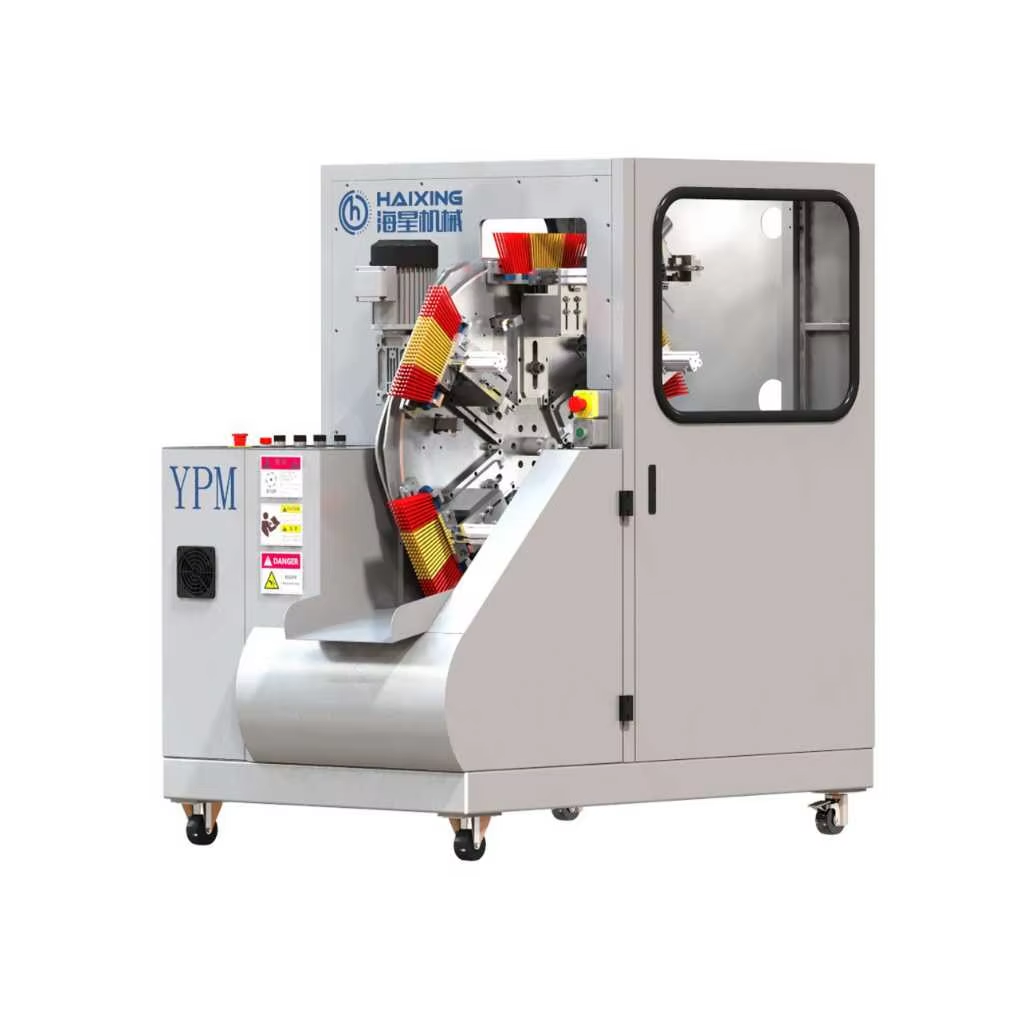
The Strategic Impact of Selecting Appropriate Production Equipment
Selecting the right machinery stands as perhaps the most influential decision a manufacturing business faces. Within the specialized domain of toilet brush production, choosing equipment that fails to meet operational needs quickly turns into a massive bottleneck, resulting in inconsistent quality and significant resource waste. On the flip side, a well-chosen automated system acts as the powerful engine driving a profitable factory. Making this choice requires moving beyond simple budgetary considerations and focusing on choosing a platform capable of evolving alongside business demands. Industry leaders in the hygiene sector understand that the decision-making process must look past initial purchase costs to consider how specific technology impacts long-term market positioning, product quality consistency, and the fundamental ability to fulfill high-volume international orders on schedule. Making the correct choice early on prevents countless headaches down the road and establishes a reputation for reliability that retailers and distributors deeply appreciate.
Aligning Production Capacity with Future Business Goals
Before committing to any investment, factory managers should perform a deep analysis comparing current production requirements against future expansion targets. Machines that lack sufficient capacity for expected growth end up needing replacement far too soon, while units that are vastly overpowered often lead to inefficient use of factory floor space and capital. High-performance units successfully bridge the gap between small-batch flexibility and the need for mass production capabilities. It is vital to prioritize systems that manage a steady workload without straining their mechanical components. By carefully evaluating actual throughput needs and the frequency of production cycles, manufacturers can select equipment that optimizes factory footprint and labor efficiency, ensuring the facility remains lean and productive even during unexpected seasonal demand surges. A balanced approach to capacity planning is what keeps a factory profitable when the market moves quickly.
Prioritizing Technical Precision and Product Versatility
The modern global market constantly demands fresh and diverse product designs, ranging from standard household brushes to highly complex industrial cleaning tools. Machinery lacking inherent versatility severely limits a brand’s ability to stay innovative. The ideal choice for any modern factory features advanced multi-axis linkage technology, enabling the creation of intricate brush head geometries that were once considered difficult or even impossible to automate. Furthermore, the ability to swap out platforms rapidly for different brush styles—whether slanted, spherical, or tubular—represents a massive competitive advantage. When a machine offers this level of clever modularity, the factory can adapt to shifting consumer trends in real-time, maintaining a strong market position without needing to constantly dump capital into new, specialized equipment for every minor product change.
Evaluating Long-Term Reliability and Total Cost of Ownership
Total cost of ownership is a factor often overlooked in favor of sticker price, yet it remains the true determinant of sustained profitability. Experienced plant operators always prioritize machinery constructed with standardized, accessible components, as this significantly simplifies routine maintenance and parts replacement. High-quality systems should also incorporate energy-efficient drive mechanisms that help keep overhead costs down over the long term. A machine engineered to stay operational for the vast majority of the workday provides predictable performance, allowing factory owners to focus their attention on strategic growth plans rather than firefighting mechanical breakdowns. Investing in equipment that emphasizes robust structural reliability and ease of service is the single most effective way to safeguard against the hidden, damaging costs of unexpected downtime and production delays.
The Critical Importance of Technical Support and Expertise
Choosing a new machine effectively means choosing a long-term professional partner. The most impressive equipment is only as useful as the support structure backing it up. Manufacturers should prioritize suppliers who provide comprehensive technical guidance, remote commissioning support, and a transparent roadmap for after-sales service. A partner with a proven history in the brush-making sector provides far more than just hardware; they provide the essential intellectual capital required to navigate complex production challenges as they arise. This level of professional partnership is what separates successful, scaling manufacturing businesses from those that constantly struggle with persistent technical hurdles or unreliable supply chain interactions. Relying on an expert partner ensures that the factory operates at its full potential from day one.
Why Industry Leaders Choose HAIXING CNC
For many decades, HAIXING CNC has defined the gold standard for excellence in brush-making technology. By combining rigorous research and development with independent patented technologies, such as advanced multi-station rotary tufting control systems, HAIXING CNC offers solutions verified by intensive, high-volume production use. Partnering with HAIXING CNC means gaining access to a strategic manufacturing advantage that covers everything from standardized production workflows to dedicated, hands-on technical support. For businesses looking to scale their production, ensure quality consistency, and achieve operational reliability in a crowded global marketplace, HAIXING CNC offers the deep expertise and proven track record to turn ambitious manufacturing goals into a daily reality. The commitment to innovation ensures that every partner has the tools needed to lead the market and exceed customer expectations for quality and delivery.