
 EN
EN
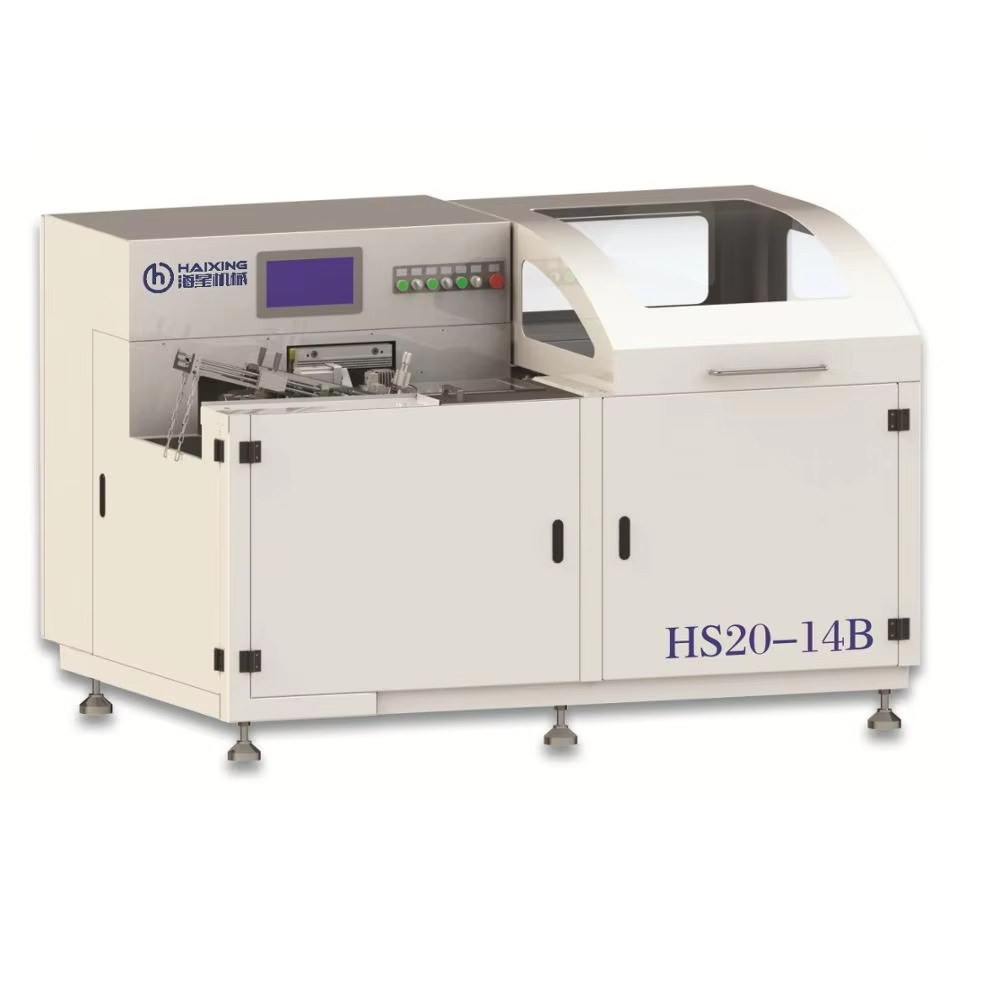
Align Tooth Brush Making Machine Type with Your Production Scope
Choosing the right equipment begins with matching machine type to your production volume and product complexity. A factory producing basic manual brushes will need different capabilities than one manufacturing high-end power brush handles. Below we break down the three primary categories of equipment to help you narrow your options.
Injection Molding Machines for High-Precision Handle Manufacturing
For factories focused on handle production, injection molding machines deliver repeatable precision at scale. These units melt thermoplastic pellets and inject the material into custom steel molds under high pressure. Modern machines achieve cycle times of 15 to 20 seconds per cavity, producing handles with tight tolerances and smooth surfaces that require minimal post-processing. Key specifications to evaluate include clamping force (typically 50 to 300 tons for brush handles), injection pressure consistency, and screw design optimized for materials like polypropylene or nylon. A well-calibrated machine reduces warping and flash, lowering scrap rates below 2%. Pairing it with a robotic take-out arm further optimizes cycle times and reduces labor dependency. For factories expanding into ergonomic or flexible-neck designs, prioritize models with multi-stage injection profiles that support variable material flow.
Automatic Tufting and Trimming Systems for Consistent Bristle Insertion
After handle production, bristle insertion becomes the critical quality bottleneck. Automatic tufting machines use precision feed systems to push pre-cut bristle bundles into handle holes, while integrated trimming stations cut bristles to exact length and round tips. High-throughput systems operate at 30 to 60 brushes per minute, using servo-driven needle arrays that adapt to diverse hole patterns. The bristle feeding mechanism—whether vibratory bowl or spool-fed—must reliably handle nylon, PBT, or natural filaments without tangling. Laser or vision sensors verify each tuft is seated flush; deviations exceeding 0.2 mm trigger automatic rejection. Inline trimming eliminates double handling and ensures uniform bristle height across the brush head. For multi-zone hardness brushes (e.g., softer outer rows), select systems with independent tufting modules capable of loading different filament types into the same head.
Fully Integrated Tooth Brush Making Machine Lines for End-to-End Automation
For high-volume production exceeding 100,000 units per day, fully integrated lines connect injection molding, tufting, trimming, packaging, and sometimes labeling into a single automated flow. These lines use conveyor systems, pick-and-place robots, and central control software to synchronize each station. The key advantage is labor efficiency—a single operator can monitor an entire line versus three to five operators for standalone machines. Integration also minimizes work-in-progress inventory and eliminates transfer-related errors. When evaluating a line, assess the transfer mechanism (rotary vs. linear), changeover time between brush models (target under 30 minutes), and built-in data logging for full traceability. Leading integrators offer modular designs that allow phased expansion as demand grows. For factories targeting international markets, confirm the line supports multi-language labeling and meets regulatory validation requirements for medical-grade hygiene standards, including ISO 13485 compliance.
Optimize Technical Fit: Precision, Capacity, and Factory Integration
Precision engineering and seamless integration are non-negotiable for maximizing tooth brush making machine efficiency. Selecting equipment that aligns with your facility’s physical constraints and output goals prevents costly bottlenecks.
Automation Level and Smart Sensors for Real-Time Quality Control
Higher automation significantly reduces human error in bristle placement and handle molding. Integrated vision systems detect bristle defects at speeds exceeding 12,000 brushes/hour. Real-time pressure sensors dynamically adjust molding parameters during viscosity fluctuations—maintaining dimensional accuracy within ±0.05 mm consistently.
| Feature | Impact | Industry Standard |
|---|---|---|
| Machine vision | 99.8% defect detection | ISO 2859-1 sampling |
| Pressure sensors | 30% reduction in material waste | ASTM F2096 |
| IoT-enabled controls | 18% faster changeovers | OPC UA protocol |
Matching Production Capacity and Physical Footprint to Your Facility
Measure floor space and ceiling height before procurement. Compact rotary-type machines suit smaller facilities while sustaining outputs up to 3,600 units/hour. For large-scale operations, linear systems with modular stations support scalable growth. Inadequate ceiling clearance—especially for robotic arm trajectories—accounts for 23% of integration delays, according to Packaging Digest (2023). Also verify energy load compatibility to avoid unexpected transformer upgrades costing over $50,000.
Calculate True Value: Total Cost of Ownership and ROI of Your Tooth Brush Making Machine
Balancing Upfront Investment Against Labor Savings and Output Consistency
A machine’s sticker price is only the starting point. True cost includes installation, energy consumption, spare parts, and ongoing maintenance. On the other side, labor savings and consistent output directly improve your bottom line. For example, a highly automated system can replace several manual operators while cutting defect rates by up to 40%. When calculating ROI, subtract total operating costs from annual revenue gain, then divide by the initial investment. A 25% ROI in year one is realistic if the machine reduces waste and unplanned downtime. Always model for at least five years—a lower upfront cost often leads to higher long-term expenses due to increased maintenance and lower uptime.
Critical Component Durability: Frames, Drives, and Bristle Feeding Mechanisms
The longevity of your tooth brush making machine hinges on three core assemblies. A rigid steel frame minimizes vibration, ensuring consistent handle molding. High-torque drives maintain precise tufting speed without slippage. The bristle feeding mechanism must reliably handle varied filament types—including nylon, PBT, and natural fibers—without jamming. Machines built with hardened components and sealed bearings require less frequent replacement, lowering total cost of ownership. Compare supplier specifications on maintenance intervals and expected lifespan for these critical parts. Paying more upfront for proven durability typically saves thousands in unplanned downtime over the machine’s service life.
FAQ
1. What are the key considerations when choosing a toothbrush making machine?
Key considerations include production volume, product complexity, automation level, precision, and compatibility with your facility’s physical constraints.
2. How do injection molding machines support toothbrush handle manufacturing?
Injection molding machines deliver repeatable precision at scale by melting thermoplastic pellets and injecting the material into custom molds, producing tight tolerances and smooth surfaces with minimal post-processing.
3. What are the benefits of fully integrated toothbrush making machine lines?
Fully integrated lines enable end-to-end automation, improving labor efficiency, minimizing inventory, and reducing transfer-related errors. They are ideal for high-volume production facilities.
4. How does higher automation impact toothbrush production?
Higher automation reduces human error, increases output consistency, and optimizes labor allocation. Integrated sensors and smart controls ensure real-time quality control and faster changeovers.
5. How can I calculate the ROI of a toothbrush making machine?
Calculate ROI by subtracting total operating costs from annual revenue gain, then dividing by the initial investment. Machines offering labor savings and reduced defects typically yield a strong ROI within the first year.