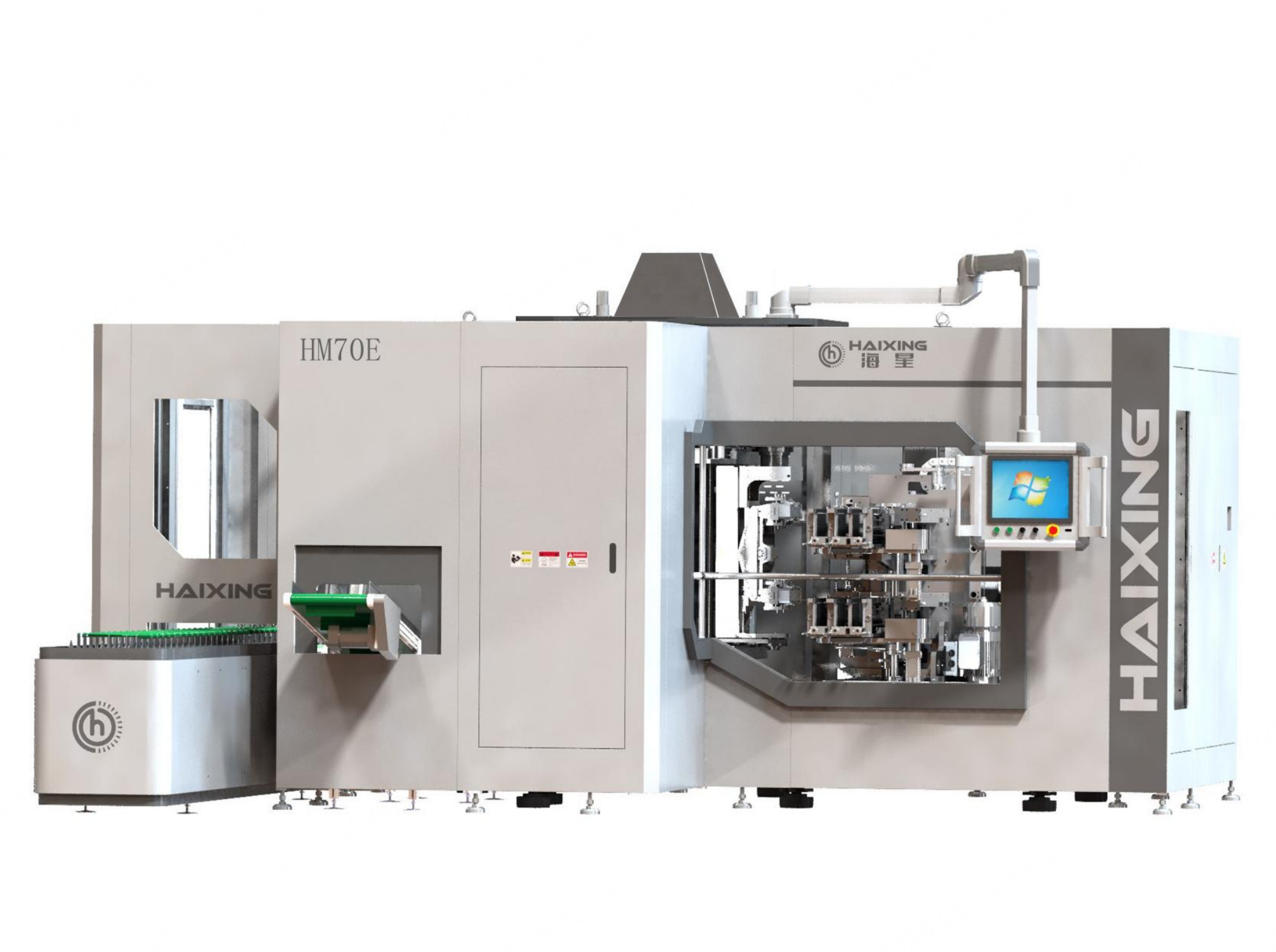
Unlocking Efficiency in Cleaning Tool Production
In the demanding world of industrial manufacturing, production efficiency is no longer just a competitive advantage; it has become an absolute necessity for survival. For manufacturers focused on producing toilet brushes, moving away from manual, labor-intensive assembly methods toward automated, computer-controlled systems marks a significant shift in operational capability. Inconsistent bristle distribution, mechanical fatigue during assembly, and high overhead costs are common hurdles that can easily damage profit margins. Automated toilet brush making machines resolve these persistent issues by digitizing the entire manufacturing workflow. By ensuring that every single brush head is drilled and tufted with mechanical precision, these systems allow factories to maintain a consistent output quality that is simply impossible to replicate through manual labor alone. This modernization is a core strategic move for any enterprise aiming to scale its operations while upholding strict quality benchmarks across global markets. The transition toward full automation represents a fundamental shift in how producers view their capability to meet growing market demands without compromising on product integrity.
The Core Mechanism Behind Precision Engineering
At the heart of the modern brush-making process lies advanced servo-driven technology, which provides the foundation for high-speed, high-precision operations. The manufacturing cycle is a marvel of coordinated, rhythmic motion. The process begins when the machine automatically feeds the brush handle into the designated work zone, where high-speed drills create perfectly positioned sockets. Immediately following this, the tufting head inserts bristles—whether synthetic or natural—and anchors them securely using metal staples. Unlike older, cam-driven systems that often require tedious manual reconfiguration, modern integrated units allow for precise adjustments to drilling depth and insertion angles. This high level of technical control ensures that every bristle is seated firmly, preventing common production defects such as loose bristles or uneven surface textures, which directly translates into a superior cleaning experience for the end-user. Each motion is calculated, refined, and executed with high fidelity to ensure the structural longevity of every single item produced.
Driving Operational Agility and Cost Reduction
Investing in automated machinery is fundamentally an investment in total business agility. Modern brush-making systems are designed with intuitive interfaces that allow operators to store and recall a vast array of unique production configurations. This flexibility is invaluable for manufacturers who need to adapt quickly to evolving market trends or specific custom client requests. By minimizing the downtime usually associated with tooling adjustments, a factory can maintain a much higher throughput rate. This increased uptime, combined with the reduction of material waste and a lower dependency on manual labor, significantly improves the return on investment per production unit. Whether a business focuses on high-volume household brushes or specialized industrial variants, the ability to pivot production configurations effortlessly ensures long-term operational health and robust cost competitiveness. The capacity to adapt quickly is what separates thriving manufacturers from those struggling to keep pace with industry trends.
Maintaining Consistent Quality Standards
In the global cleaning tool market, maintaining consistent quality is the most vital factor in building and protecting a brand reputation. Any variance in quality, such as uneven tufting density, can quickly lead to client dissatisfaction and returns. Automated systems effectively mitigate this risk by removing the variables introduced by human fatigue, distraction, or manual oversight. Because integrated software manages the entire drilling and tufting sequence, the production consistency remains exceptionally high even during long, continuous production runs. Utilizing standardized, high-durability components ensures that the hardware remains stable, reducing the need for constant maintenance and keeping the production line moving without interruption. This level of reliability is what separates market leaders from their competition, as it allows for the delivery of products that meet rigorous international quality standards on a reliable, repeatable basis. Maintaining this level of excellence requires a sophisticated understanding of mechanical engineering and a commitment to refining production processes over time.
Partnering for Sustainable Growth with HAIXING CNC
Choosing the right manufacturing infrastructure partner is critical to achieving long-term success. With decades of expertise in the industry, HAIXING CNC has positioned itself as a reliable pillar of support for brush manufacturers across the globe. HAIXING CNC does not simply supply machinery; the focus is on providing comprehensive, intelligent manufacturing solutions tailored to the specific needs of diverse clients. From high-speed multi-axis integrated systems to dedicated one-stop service, HAIXING CNC ensures that every partner can optimize their production line from the very beginning. By leveraging deep technical accumulation and a drive for continuous innovation, HAIXING CNC helps partners build resilient, efficient, and cost-effective supply chains. Partnering with HAIXING CNC means gaining access to proven engineering expertise that empowers manufacturers to focus on brand expansion and market share, confident that their production capabilities are backed by years of reliable, professional service and robust supply chain support. The partnership approach adopted by HAIXING CNC fosters a collaborative environment where production efficiency is continuously improved, ensuring that partners remain at the forefront of the cleaning tool industry regardless of evolving global market shifts. Continued investment in such collaborative manufacturing partnerships serves as a catalyst for sustainable competitive advantage.

 EN
EN