
 EN
EN
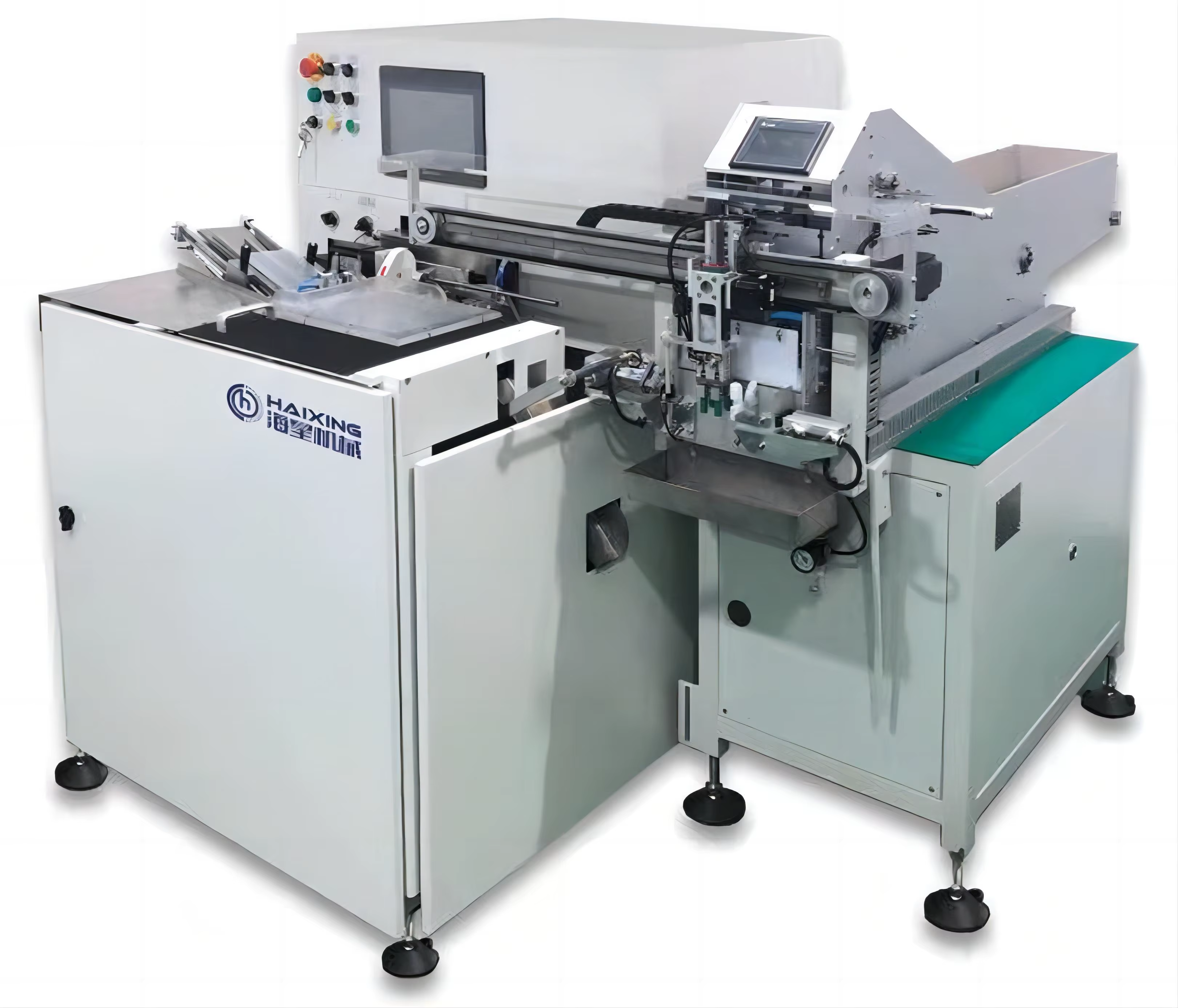
Moving Beyond Speed to Real Reliability
When you walk into modern brush manufacturing facilities across different parts of the world, you notice a common obsession among plant managers and production supervisors regarding machine velocity. Everyone talks about cycle speeds, rapid throughput, and how many tufts a new automated line can punch out per minute. Specification sheets are packed with aggressive metrics designed to catch your eye during the initial purchasing phase and equipment comparison stages. However, if you spend enough time talking with veteran floor engineers who manage daily manufacturing operations, you quickly realize that peak speed on paper often hides a frustrating reality on the production floor. When high-speed machinery constantly fights minor stoppages, calibration drift, and unexpected adjustments, those impressive theoretical numbers drop fast. Real efficiency and true profitability come down to how consistently a machine can run shift after shift without losing its operational rhythm, ensuring that skilled operators do not have to constantly babysit the equipment just to keep production moving forward smoothly without sudden bottlenecks or unexpected interruptions.
The Hidden Drag of Minor Stoppages
Every production supervisor knows the headache of constant minor interruptions that disrupt the natural flow of the workday and eat silently into profit margins over time. In automated brush making, machinery relies on complex timing loops, high-speed cam movements, and delicate wire insertion tooling working together in absolute mechanical harmony. Even the slightest thermal expansion during a long running day or a tiny variance in raw material consistency can throw off precise alignment. The machine does not necessarily break down completely in a dramatic fashion; instead, it pauses briefly, rejects a flawed batch, or forces an operator to step in and reset a sensor. These recurring micro pauses bleed productivity slowly throughout the day without anyone immediately noticing the scale of the loss. By the time the shift ends, the accumulated lost time and wasted material dwarf any theoretical speed advantage the equipment originally claimed to offer, turning potential profits into frustrating operational overhead that drags down factory performance day after day.
Building True Mechanical Resilience
Achieving genuine operational stability requires a heavy focus on the physical foundation of the equipment rather than just software tweaks or cosmetic upgrades. Heavy-duty cast iron bases and stress-relieved steel framing do not make for flashy marketing copy, but they are absolutely essential for absorbing the relentless vibrations of high-cycle tufting heads. When a machine frame dampens kinetic forces effectively, delicate components like insertion needles and gripper assemblies experience far less fatigue over extended periods of heavy industrial use. This structural integrity ensures that every single brush block coming off the line maintains the exact same tension, tuft depth, and clean alignment, whether the machine started up a few minutes ago or has been running continuously through a heavy production schedule without a break. Operators gain immense peace of mind knowing the robust hardware can handle punishing workloads day after day while maintaining supreme precision across every single batch produced.
Optimizing Workflow Through Intelligent Automation Design
Integrating modern automation into an existing manufacturing ecosystem requires careful consideration of how mechanical systems interact with human operators. When equipment is thoughtfully engineered with intuitive controls and accessible maintenance points, routine adjustments become significantly faster and less prone to human error. This seamless integration reduces the learning curve for technicians and ensures that regular upkeep never turns into a prolonged operational bottleneck. By prioritizing user-friendly design alongside structural durability, manufacturers can maintain peak performance levels effortlessly, minimizing operator fatigue and fostering a culture of continuous productivity across every shift in the facility.
Protecting Margins Through Steady Output
From a broader business perspective, consistent production stability directly protects your bottom line and strengthens customer trust across international markets. Unreliable equipment forces plants to carry heavy buffer stocks, stock up on emergency spare parts at premium rates, and deal with the stressful scramble of delayed customer shipments when unexpected breakdowns happen. On the other hand, when an automated line runs predictably, inventory levels stay lean, labor planning becomes straightforward, and client delivery schedules are met without panic or costly overtime scrambling. Eliminating unexpected downtime transforms capital equipment from a constant maintenance headache into a reliable engine for steady business growth, higher operational margins, and long-term commercial competitiveness in a crowded global marketplace where unwavering delivery reliability is everything.
Securing Long Term Success with HAIXING
Succeeding in the competitive global brush market demands more than just grabbing the fastest machine available on the open market. It requires robust engineering backed by a manufacturing partner who understands the practical realities of daily factory operations, material variations, and international supply chain demands. HAIXING delivers advanced tufting and anchor-making solutions engineered from the ground up for relentless operational stability and durability. Through rigorous quality control protocols, precision component manufacturing, and dependable supply chain support, HAIXING helps international enterprises eliminate costly production bottlenecks, optimize factory workflows, and build lasting manufacturing excellence that stands firmly against the test of time.