
 EN
EN
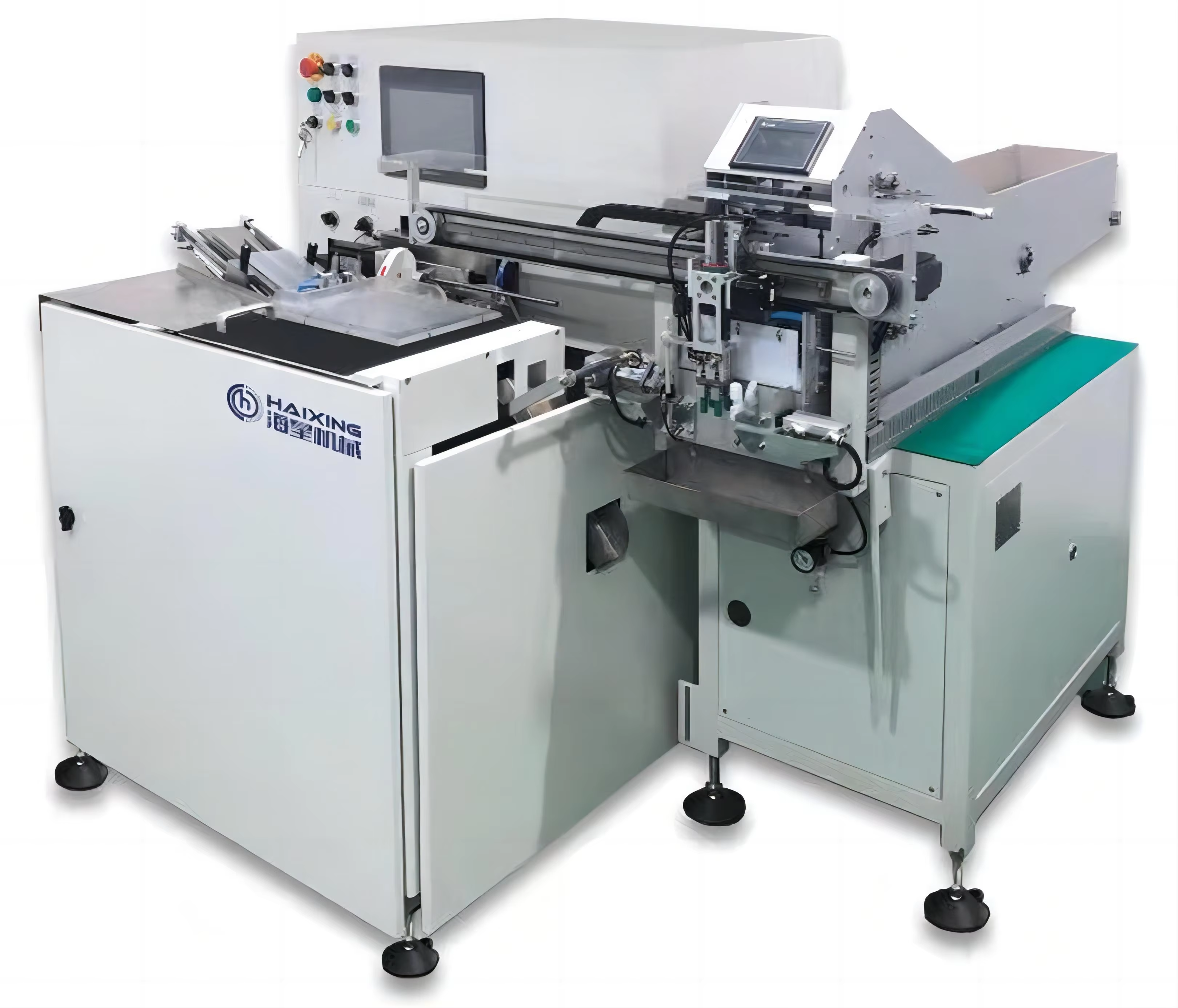
The Evolution and Core Capabilities of Tooth Brush Making Machines
The journey of toothbrush manufacturing has transformed from painstaking manual assembly to today's highly automated production lines. Early processes required workers to individually insert bristles and attach handles—a method prone to inconsistency and limited to 50–70 units per hour. Modern tooth brush making machine systems now integrate robotics, computer vision, and precision molding to achieve outputs exceeding 2,000 brushes hourly while maintaining micron-level accuracy in bristle placement.
From Manual Assembly to Fully Integrated Automation
Three key innovations revolutionized production:
- Mechanized Bristle Insertion (1960s): Early machines automated tufting but still required manual loading
- Closed-Loop Molding Systems (1990s): Integrated injection molding directly with handle assembly
- AI-Driven Optical Inspection (2020s): Real-time defect detection reduces waste by 19% compared to manual QC
Essential Components of a Modern Tooth Brush Making Machine
Contemporary systems combine specialized modules into seamless workflows:
| Function | Key Components | Impact on Quality |
|---|---|---|
| Material Handling | Vibratory feeders, conveyor systems | Consistent raw material supply |
| Bristle Application | Micro-nozzle tufting heads | ±0.1mm placement precision |
| Handle Formation | Multi-cavity injection molds | Ergonomic uniformity |
| Quality Assurance | Machine vision cameras, laser scanners | <0.5% defect rate |
This integration enables continuous 24/7 production with rapid changeovers between brush designs—critical for manufacturers addressing diverse global oral care preferences while maintaining strict hygienic standards.
Quantifiable Production Efficiency Gains from Automatic Tooth Brush Making Machines
Cycle Time Reduction and Output Scalability
Automatic tooth brush making machines compress production timelines by executing multiple manufacturing stages simultaneously. Where manual assembly requires sequential handling of bristle insertion, handle molding, and trimming, automated systems integrate these processes into one continuous flow. This reduces per-unit cycle time by over 80% while enabling linear output scaling—a single machine typically produces 300–500 brushes hourly. Such throughput eliminates bottlenecks during demand surges and accelerates time-to-market for new designs without proportional labor increases.
Labor Optimization and Defect Rate Reduction
Labor requirements plummet as one technician can oversee 6–8 machines simultaneously, slashing staffing costs by 60%. Precision robotics ensure consistent bristle placement within 0.1mm tolerances, while integrated vision systems instantly flag and eject defective units. According to the WHO-ISO 2023 report, this automation-driven accuracy achieves an average 42% reduction in defects—minimizing material waste and rework. The resulting quality consistency elevates brand reputation while freeing human workers for higher-value oversight roles.
Real-World Validation: Case Study of a Leading Oral Care Manufacturer
A major oral care producer implemented automated tooth brush making machines and achieved transformative results: production output surged 40% while labor costs decreased by 35% within 12 months. Critical quality metrics showed a 42% reduction in defects—aligning with the WHO-ISO 2023 benchmark—as automation eliminated human error in bristle placement and handle molding. The system’s adaptive controls maintained precision across 18-hour production runs, with real-time monitoring catching 99.6% of deviations before defective units advanced. Notably, changeover time between brush designs dropped from 45 minutes to under 10 minutes through programmable tooling adjustments. These efficiency gains translated to an 18-month ROI period, validating how modern tooth brush making machines optimize throughput while future-proofing operations against volatile demand shifts.
Future-Ready Advancements in Tooth Brush Making Machine Technology
AI-Powered Predictive Maintenance and Adaptive Process Control
Modern tooth brush making machines increasingly leverage AI to optimize operations. Predictive maintenance algorithms analyze vibration, temperature, and power consumption data to identify potential component failures before they disrupt production, slashing unplanned downtime by up to 40%. Simultaneously, adaptive process control systems use real-time quality monitoring to autonomously adjust parameters like bristle-tufting pressure or handle molding speed. This ensures consistent output despite material batch variations—directly supporting the 42% average improvement in manufacturing precision documented in the WHO-ISO 2023 report. These innovations transform production lines from reactive to proactive systems, maximizing throughput while minimizing waste.
Frequently Asked Questions
What are the main benefits of using automated toothbrush making machines?
Automated toothbrush making machines significantly enhance production efficiency, reduce labor costs, and improve product quality through precision bristle placement and real-time defect detection.
How do modern machines ensure quality assurance?
Modern machines employ AI-driven optical inspection and machine vision cameras to detect defects and ensure precise bristle placement and ergonomic handle formation.
What technological innovations have been integrated into toothbrush making machines?
Recent innovations include AI-driven optical inspection, predictive maintenance algorithms, and adaptive process controls, which optimize operations and minimize waste.
Table of Contents
- The Evolution and Core Capabilities of Tooth Brush Making Machines
- Quantifiable Production Efficiency Gains from Automatic Tooth Brush Making Machines
- Real-World Validation: Case Study of a Leading Oral Care Manufacturer
- Future-Ready Advancements in Tooth Brush Making Machine Technology
- Frequently Asked Questions