
 EN
EN
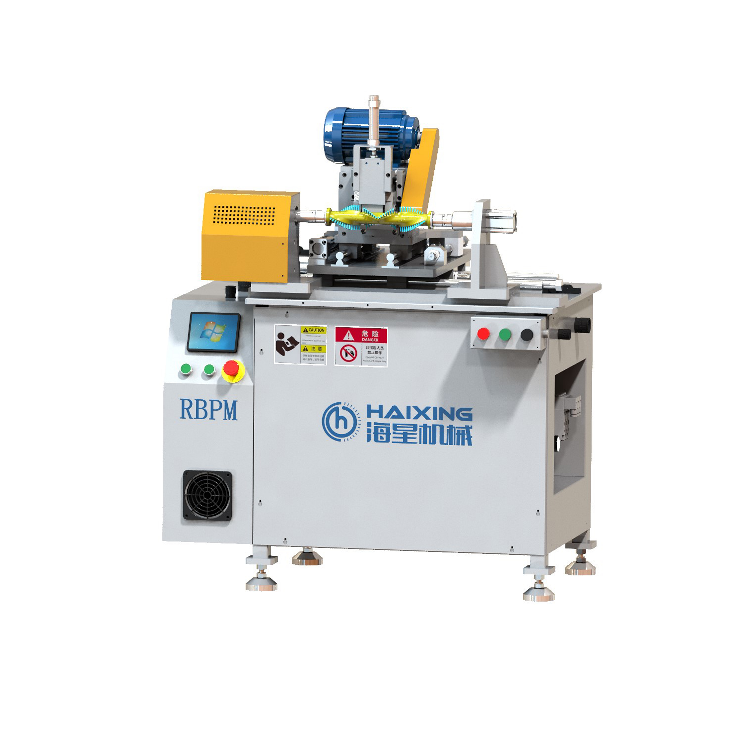
Automating Labor-Intensive Finishing to Cut Direct Labor Costs
Eliminating Manual Deburring and Surface Finishing in High-Volume Production
Manual deburring and surface finishing are among the most labor-intensive steps in brush manufacturing—requiring multiple operators per shift to remove sharp edges, smooth bristle tips, and polish handles. This work is repetitive, time-consuming, and prone to inconsistency. Integrating automated finishing stations into a modern brush making machine eliminates these tasks entirely: deburring, chamfering, and polishing occur in a single, synchronized cycle. As a result, direct labor costs drop by 40–60% compared to traditional methods. Skilled workers are reallocated from monotonous finishing to higher-value roles like quality assurance and process optimization—while ergonomic injury risk declines, reducing associated compensation and insurance expenses. The outcome is a leaner, more predictable cost structure that directly strengthens profitability.
CNC-Integrated Brush Making Machine Operations and Cycle-Time Optimization
CNC integration transforms overall production efficiency—not just finishing, but the entire workflow. Traditional lines separate drilling, trimming, and assembly across distinct stations, each requiring manual transfer and alignment. A CNC-integrated brush making machine consolidates these operations into one programmed sequence, with precise coordination of spindle speeds, feed rates, and tool changes. Idle time between steps vanishes. For a typical industrial brush, cycle time falls from 90 seconds on a manual line to under 45 seconds—effectively doubling throughput. A single CNC machine often replaces two or three legacy units, lowering per-unit labor content and capital footprint. Operators transition from hands-on production to supervisory oversight, monitoring multiple machines from a central panel. Faster cycles and reduced headcount shorten payback periods—frequently under two years—without compromising consistency or quality.
Maximizing Tool Longevity and Minimizing Material Waste
Precision Control in Brush Making Machine Components Reduces Wear and Extends Service Life
Modern brush making machines rely on high-precision components—including servo-driven feed systems and hardened tooling—to maintain consistent motion and force during production. Operating within tight tolerances minimizes friction and impact forces, significantly slowing tool degradation. For instance, CNC-integrated machines hold cutting speeds within ±1% of the programmed value, preventing heat-induced wear that shortens tool life. This precision reduces the frequency of replacing drills, trimmers, and fill nozzles. Facilities upgrading to such systems commonly report 20–30% longer tool life over 12 months—directly lowering per-unit consumable costs.
Real-Time Monitoring Cuts Scrap, Rework, and Raw Material Loss
Embedded sensors track torque, vibration, and fill density in real time during every production cycle. When anomalies arise—a clogged fill nozzle, dull trim blade, or inconsistent bristle density—the system either alerts operators or auto-adjusts parameters within milliseconds. This closed-loop feedback prevents defective brush blocks from advancing to finishing, where rework would consume labor, energy, and extra material. One large producer cut scrap rates from 4% to 1.5% in six months, saving over $50,000 annually in raw material waste and disposal. By intercepting defects at the source, the sensor suite pays for itself through avoided losses.
Boosting Uptime and Cutting Maintenance Spend with Smart Diagnostics
Predictive Maintenance via Embedded Sensors and Brush Making Machine Analytics
Embedded sensors continuously monitor vibration, temperature, and pressure across critical subsystems—feeding data into analytics models trained to detect early signs of wear. Unlike calendar-based or reactive maintenance, this predictive approach identifies failing components before they cause downtime. Maintenance teams schedule interventions during planned breaks, avoiding emergency stoppages. Facilities deploying these systems report a 40–45% reduction in unscheduled service calls. Proactive action extends the service life of motors, bearings, and cutting tools—and eliminates costly last-minute replacements. The net effect is lower total maintenance spend and measurably higher overall equipment effectiveness (OEE) across the production line.
Driving Down Energy and Utility Costs Through Efficient Design
Modern brush making machines are engineered for energy efficiency—reducing long-term utility expenses without sacrificing output. Servo-driven systems replace outdated hydraulic and pneumatic actuators, delivering precise motion control with far less electricity use. Regenerative braking captures kinetic energy during deceleration, cutting total power draw by up to 20%. Motor sizing is optimized per operation, eliminating wasteful over-capacity and unnecessary over-speeding. Paired with intelligent power management software, these design choices reduce annual utility bills by 15–30%, delivering measurable ROI over the machine’s operational lifespan.
FAQs
Q1: How does CNC integration improve production efficiency?
A: CNC integration consolidates operations like drilling, trimming, and assembly into one programmed sequence. This eliminates idle time, reduces manual labor, and doubles throughput, reducing production times and costs significantly.
Q2: What are the benefits of real-time monitoring in brush making machines?
A: Real-time monitoring enables early detection of issues like clogged nozzles or inconsistent bristle density. This prevents defective products, reduces raw material waste, and lowers rework costs.
Q3: How does predictive maintenance work in brush making machines?
A: Predictive maintenance uses sensors to monitor vibration, temperature, and pressure. Analytical models detect early wear signs, enabling proactive repair, reducing unscheduled downtime, and extending equipment life.
Q4: Can modern brush making machines lower energy costs?
A: Yes, servo-driven systems, regenerative braking, and optimized motor sizing reduce electricity usage by 15–30%, cutting long-term energy expenses.
Q5: How do these advancements reduce direct labor costs?
A: Automation removes repetitive tasks like deburring and polishing, reallocates skilled workers to higher-value roles, and reduces ergonomic injury risks, leading to 40–60% labor cost savings.