
 EN
EN
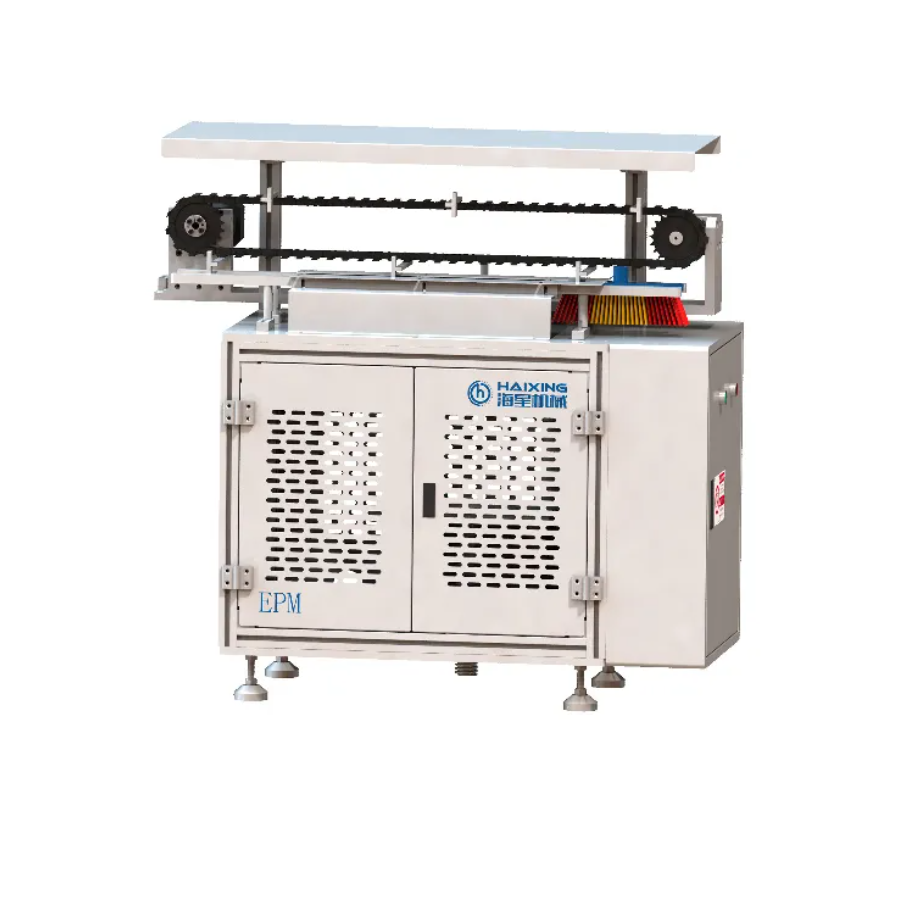
Modular Brush Making Machines: Enabling Rapid Format Swapping for Niche Brush Lines
Why Modular Design Accelerates New Product Introduction
Brush making equipment that uses modular design cuts down on development time for specialty brush production by roughly half to three quarters when compared with older methods. The standardized connections for both mechanical parts and electrical systems mean factories can swap out different components like filament feeders, tufting heads, and trimming units without having to rebuild entire frames or mess with the control systems. What this really means is companies can test out all sorts of unique products quickly on one machine setup. Think about things like tiny bristle brushes used in medical settings alongside big industrial cleaners for conveyor belts. Instead of waiting weeks, production staff can actually check if a new design works within just two days now. That kind of speed saves money too. According to what we see across the industry, each round of product testing typically costs between fifteen thousand and forty thousand dollars less than before these modular systems became available.
How Interchangeable Tooling and Programmable Axes Cut Changeover Time to Under 5 Minutes
Brush making machines with quick-swap tooling achieve sub-5-minute changeovers through two integrated innovations:
- Standardized magnetic chucks that accept over 50 attachment types—including twist-in, flat-knot, and flagged configurations—without mechanical alignment
- Programmable servo axes that store and auto-deploy 200+ brush profiles, including precise trim length (±0.1mm), density, and tuft spacing settings
Operators initiate format changes via intuitive touchscreen menus; no manual recalibration is required. Real-time sensor feedback enables closed-loop adjustments to filament tension, tuft spacing, and motion sequencing—maintaining ±0.3% dimensional accuracy across batches. This efficiency gain delivers 18–24 additional production runs per shift, a decisive advantage for low-volume, high-margin specialty brushes.
| Changeover Component | Traditional System | Modular System | Improvement |
|---|---|---|---|
| Tooling Swap | 22–35 minutes | 90 seconds | 24× faster |
| Parameter Configuration | Manual calibration | Auto-recognition | 100% automation |
| Validation Run Requirement | 3–5 test batches | 0 | Eliminated |
Data reflects industry averages from 2023 automation case studies.
Multi-Segment Production: Customizing Brush Making Machines for Household, Industrial, and Personal Care Applications
Configurable Machine Bundles Meet Diverse Filament, Density, and Tufting Requirements
Today's modular brush manufacturing systems can handle different industry needs thanks to their built-in, optimized configurations. For home use, manufacturers typically go with soft nylon bristles set at moderate density for everyday cleaning tasks. When it comes to heavy duty applications though, industrial brushes feature tough wire filaments that resist abrasion and are packed tightly together for machine scrubbing jobs. Personal care products require something entirely different again, with tapered synthetic fibers carefully placed in specific arrangements to ensure both safety and effectiveness when applied to skin. All these variations come off the same production line through simple tool changes instead of needing separate manufacturing setups for each type. This flexibility means companies don't have to maintain multiple production lines just to keep quality standards consistent across all brush types. And there's another benefit too: adaptive manufacturing bundles boost material usage rates up around 98 percent, which cuts down on waste significantly and helps reduce overall running expenses for manufacturers.
Real-Time Adaptive Control: Closed-Loop Systems Adjust Trim Length and Pattern by Application
These closed loop control systems can actually change how brushes look and work as they go along, all thanks to sensors feeding back information in real time. When it comes to those big industrial floor brushes, the system keeps everything trimmed at exactly 15mm so the scrubbing action stays even across the whole surface area. For regular household cleaning tools, there's an automatic switch to wave-like tufts that really hug surfaces better. And don't get me started on personal care brushes where tiny adjustments matter a lot. The bristles get fine tuned down to microns in terms of taper and spacing just to pass those tough skin safety tests. What makes this whole thing remarkable is the constant checking happening at 200 times per second for things like tension levels, alignment issues, and positioning problems. Whenever something goes off track, the system fixes it right away without needing anyone to halt production lines. Manufacturers report seeing defect rates drop by around 40% across different product categories, plus they sleep better knowing their products meet all the specific performance requirements for each intended use case.
Scalable Automation: Balancing Precision, Flexibility, and Batch Size in Brush Making Machines
Today's brush manufacturing equipment offers automation at scale thanks to systems that adjust themselves based on what kind of production run is needed. These machines have programmable servos that keep things consistent down to the micron level, no matter if someone wants just 50 test pieces or over 50 thousand brushes for mass production. What makes all this possible? Three main tech components work together: first, torque monitoring adapts so every filament type gets packed with the same density; second, smart vision systems spot trimming issues as they happen and fix them right away; third, tooling stations can switch configurations in less than ninety seconds flat. For factory owners, this means running small batches of specialty brushes and big volumes of standard products side by side without switching machines. According to recent studies from top industry researchers in 2023, these closed loop systems cut down on wasted materials somewhere between nine and fifteen percent compared to older fixed automation setups. And since there's no need to manually reset everything between different product runs, one worker can actually manage four separate production lines simultaneously while still maintaining that handcrafted quality standard customers expect.
ROI of Diversity Expansion: Quantifying Reduced Time-to-Market and Increased Margin per Brush SKU
Case Evidence: German OEM Cuts New Brush Line Launch Time by 73% with Modular Brush Making Machines
One German OEM saw their brush line launch times drop by nearly three quarters when they started using modular brush manufacturing systems. The ability to switch formats in under five minutes meant they could react fast to those small but growing market niches. Specialized products hit revenue streams twice as quickly as before, and gross margins jumped around twelve points. With programmable machine axes, adjustments to filament density and different tufting patterns became quick and consistent work across all segments - household goods, industrial tools, even personal care items. Looking at the bigger picture, within just eighteen months this company managed to slash inventory expenses by almost thirty percent while grabbing nearly twenty additional points of market share in specialty brushes. What this shows is that investing in modern brush making tech doesn't just streamline operations; it actually turns what was once a headache of product variety into something that genuinely boosts profits through faster development, better batch economics, and production that scales up or down as needed.
FAQ
What are modular brush making machines?
Modular brush making machines are advanced systems designed to allow rapid format swapping and customizable configurations for producing niche brush lines efficiently and quickly.
How do modular designs accelerate new product introductions?
Modular designs cut down on development time by allowing standardized component swapping, which eliminates the need for extensive rebuilding and reconfiguration, enabling faster testing and production of new products.
What advantages do interchangeable tooling and programmable axes offer?
These features enable sub-5-minute changeovers, simplicity in initiating format changes, and maintenance of dimensional accuracy, significantly increasing production efficiency for specialty brushes.
How do modular systems impact production diversity?
Modular systems support multi-segment production through customizable machine bundles that meet various industry requirements, reducing the need for multiple production lines and optimizing material usage.
How does real-time adaptive control enhance production?
Real-time adaptive control allows systems to adjust brush features dynamically as they are being made, ensuring consistent quality and meeting specific performance requirements for different applications.
Table of Contents
- Modular Brush Making Machines: Enabling Rapid Format Swapping for Niche Brush Lines
- Multi-Segment Production: Customizing Brush Making Machines for Household, Industrial, and Personal Care Applications
- Scalable Automation: Balancing Precision, Flexibility, and Batch Size in Brush Making Machines
- ROI of Diversity Expansion: Quantifying Reduced Time-to-Market and Increased Margin per Brush SKU
- FAQ