
 EN
EN
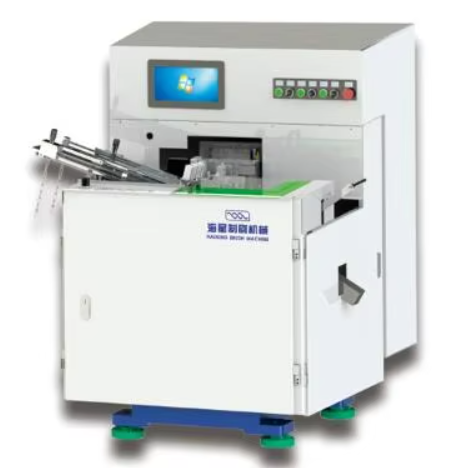
Eliminating Post-Processing Labor with Automatic Brush Machines
The labor burden of manual deburring and edge-finishing (15–30% of total labor hours per part)
When it comes to manual deburring and edge finishing, these processes take up around 15 to 30 percent of all labor time for each manufactured part. Skilled workers spend countless hours doing repetitive work that's tough on their bodies, leading to fatigue, inconsistent results, and parts that don't always meet quality standards. The problem gets worse as this kind of post processing creates delays throughout manufacturing. Costs go up significantly, particularly in industries making large quantities of precision components such as cars and aircraft. After all, those tiny edges matter a lot when it comes to how well something functions and whether it meets safety regulations.
Case study: Automotive Tier-1 supplier achieved 72% post-process labor reduction using rotary automatic brush machines
A major automotive parts manufacturer recently brought rotary automatic brush machines into their production line after machining operations, cutting down manual deburring work by around 70%. When they started using these machines for smoothing edges and blending surfaces on transmission parts, each component took just 5 minutes instead of the previous 18 minute process. What's more important is that they consistently achieved those smooth G2 finishes that meet ASME B46.1 standards without relying on individual worker skills. The change freed up space for nine employees who previously did deburring to move into better paying assembly jobs elsewhere in the factory. Looking at the numbers, this automation saved approximately $740,000 per year in labor costs according to research from the Ponemon Institute published last year in their report on manual finishing costs.
Integrating Automatic Brush Machines into CNC and Robotic Cells
When automatic brush machines get integrated into current CNC workcells and robotic assembly lines, they basically cut out the need for people to step in between the machining and finishing parts of production. These systems handle tasks like deburring and rounding edges right in the same automated workflow. What this means is no more secondary handling required, less stuff sitting around as work in progress, and everything gets controlled through one unified system. Plus, companies don't have to worry about finding extra floor space or making big changes to their existing setup when implementing these solutions.
In-cycle finishing eliminates operator intervention and secondary handling labor
Mounting automated brushing systems right onto robotic arms or CNC spindles means parts get finished right away after machining happens. No need to move them around, no having to fix them again, and definitely no human hands getting involved during this process. The whole point of doing it all within the same cycle is that it cuts down on those tedious transfers between different workstations that take so much time. Looking at production numbers from twelve medium to large manufacturing facilities shows something pretty impressive too. These shops saw anywhere from forty to seventy five percent less time spent manually handling parts throughout their machining operations. That frees up experienced workers who can then focus on important tasks like setting up machines, writing programs, and keeping an eye on product quality instead of wasting hours moving stuff around.
Labor cost savings quantified: $0.42–$1.89 less per part (AMT 2023 benchmark)
According to the Association For Manufacturing Technology’s 2023 benchmark report, replacing manual finishing with integrated automated brush systems reduces direct labor costs by $0.42–$1.89 per part. These savings stem from three core efficiencies:
- Elimination of dedicated deburring labor stations
- Reduced movement of work-in-process across the shop floor
- Uninterrupted 24/7 operation—no breaks, shift changes, or fatigue-related slowdowns
High-volume manufacturers consistently achieve the upper end of this range, particularly when factoring in avoided rework labor tied to inconsistent manual results.
Reducing Labor Hours Per Part Through Automated Finishing
Time compression in practice: Aerospace aluminum housing finishing dropped from 4.2 to 0.7 minutes/part
Brush machines that work automatically can cut down finishing times dramatically. Take aerospace manufacturing for instance. Aluminum housings used to need around 4 minutes and 12 seconds of hands-on work per part for things like removing burrs and refining edges. Workers spent lots of time adjusting positions, calibrating pressure settings, and checking everything visually. Now with these automated brushing systems, companies get the same surface quality and edge shape in only 42 seconds per unit. That's cutting nearly five minutes off each job. Why does this happen? Well, these machines run continuously without stopping, apply consistent force throughout the process, and don't waste time waiting for someone to move parts around manually. A real world example shows impressive results too. One company saw their production rate jump by almost 37% while still keeping those tiny surface tolerances under plus or minus 0.005 inches. They met all the strict MIL-STD-882E standards needed for parts that actually go on airplanes.
| Labor Reduction Factor | Manual Process | Automated Brush System |
|---|---|---|
| Time per housing (minutes) | 4.2 | 0.7 |
| Operator attention required | Constant | Periodic monitoring |
| Consistency variance | ±15% | ±3% |
Beyond speed, automation shifts skilled technicians from repetitive finishing to higher-value responsibilities—such as cell optimization, process validation, and cross-training—enabling faster response to demand surges and supporting reshoring initiatives without proportional staffing increases.
Lowering Hidden Labor Costs: Ergonomics, Turnover, and Quality Escapes
Replacing high-fatigue, high-turnover manual deburring roles with automatic brush machines
Workers doing manual deburring put their bodies through a lot. Constant pressure on hands and wrists, plus all those awkward angles and flying metal bits, really takes a toll over time. Many folks get repetitive stress issues or just plain old soreness from day to day. Shops report losing around 40% of their staff each year because of this, which means constant hiring, training new people, and dealing with all the extra paperwork. Automatic brush systems tackle these problems right at the beginning. The machine does all the fine edge work without needing someone's hands there. Parts come out just as good, if not better than before. What happens next? Well, most workers move up to oversee operations, handle maintenance tasks, or learn how to program these machines. Companies find they keep their experienced workers longer when jobs aren't so physically punishing anymore.
Cumulative impact: 22% average OEE improvement + 35% fewer labor-related quality escapes
When it comes to automated finishing processes, the benefits just keep adding up over time. Plants that have switched to integrated brush systems typically see around a 22% boost in their Overall Equipment Effectiveness (OEE). Why? Because these systems run longer without stopping when workers call in sick, they maintain consistent cycle times throughout shifts, and produce higher quality parts overall. Human mistakes related to fatigue or inconsistent techniques drop off dramatically too, cutting down on quality issues traced back to labor by about 35%. With fewer defects coming through the line, there's obviously less waste material and rework needed, which makes sticking to ISO 9001:2015 standards much easier for plant managers. Another big plus is that machines keep running even when people leave the company, get hurt, or miss scheduled shifts. What used to be this unpredictable labor expense turns into something manufacturers can actually plan for and scale as business needs change.
FAQ Section
What are automatic brush machines?
Automatic brush machines are equipment used to automate the process of deburring and edge finishing in manufacturing, reducing labor costs and cycle times.
How do automatic brush machines reduce labor costs?
By integrating automatic brush machines into production lines, manufacturers can eliminate manual deburring roles, reduce operator intervention, and maintain consistent quality without fatigue-related issues.
What industries benefit most from automatic brush machines?
Industries focused on high precision components such as automotive and aerospace benefit significantly from transforming their post-processing with automatic brush machines.
Can automatic brush machines improve product quality?
Yes, automatic brush machines help achieve consistent results that meet industry standards, leading to improved product quality and reduced rework requirements.