 EN
EN
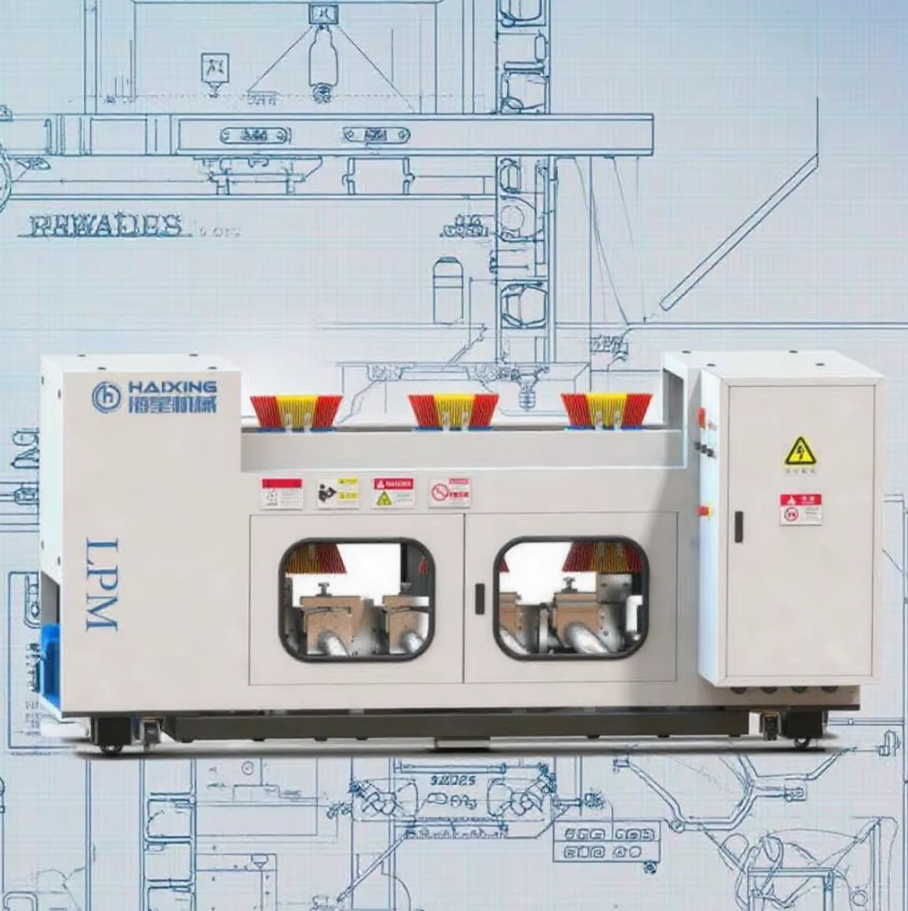
Feasibility and Strategic Planning for Your Automatic Brush Machine Investment
Startup Capital Requirements, ROI Timeline, and Break-Even Analysis
Launching a brush production line requires disciplined capital allocation. Initial investment typically covers equipment ($50k–$250k), facility setup, raw materials, and labor. To assess feasibility, calculate ROI using the standard formula:
ROI (%) = (Net Profit / Total Investment Cost) × 100
When it comes to automation, businesses see real improvements. According to the McKinsey Manufacturing Automation Outlook report, many companies experience between 15 to 30 percent better efficiency after implementing automated systems. This means less reliance on manual labor and faster production times overall. Small and medium sized businesses typically run their operations around 60 to 80 percent of maximum capacity. Most find they can recoup their investment in new automation equipment within roughly 18 to 36 months depending on how things go. Instead of buying big expensive machines right away, smart operators focus on modular setups that allow them to expand gradually. They add workstations or upgrade software components as customer demand actually increases, rather than spending money now on capabilities they might not need for years.
Matching Machine Capabilities to Your Target Market: When Automation Adds Value vs. Over-Engineering
Automation creates value only when aligned with product complexity and volume. Avoid over-engineering by evaluating two key thresholds:
- Precision demand: Automated tufting is essential for high-tolerance applications like surgical brushes (±0.1mm), but rarely justified for basic broom heads.
- Volume threshold: Runs under 5,000 units/month seldom achieve ROI on full automation versus semi-automated or manual assembly.
When machine specifications match product requirements—e.g., nylon filament compatibility for industrial scrubbers versus natural fiber handling for artisanal goods—leading manufacturers report 40% waste reduction, according to the 2023 Global Brush Manufacturing Benchmark Report.
Selecting and Deploying the Right Automatic Brush Machine
Key Evaluation Criteria: Speed, Filament Compatibility, CNC Precision, and Software Integration
Four technical pillars determine long-term performance:
- Production speed, measured in brushes/hour, directly impacts throughput scalability.
- Filament compatibility, including diameter range (0.15–0.8mm) and stiffness tolerance, dictates material flexibility.
- CNC precision, ideally ±0.05mm or better, ensures consistent tuft depth and spacing—critical for avoiding batch rework.
- Software integration, especially open-API platforms, enables direct CAD file import, real-time inventory sync, and automated parameter loading.
Modern brush manufacturing machines can handle over 1,200 units per hour when working with multiple materials, slashing changeover times by around 40% according to industry standards. The thing is, CNC systems need to stay rock solid accurate even at these blistering speeds. When they start drifting off track, whole batches end up mis-tufted and have to be thrown away, costing companies serious money. Getting rid of manual data entry through open API connections helps prevent those little mistakes that add up fast. Looking at recent stats from the 2023 Manufacturing Efficiency Report, nearly a quarter of all production holdups trace back directly to these kinds of input errors.
Top Entry-Level Models Compared: Haixing, Yuyao, and Custom-Built Systems for SMBs
For small-to-midsize manufacturers, these entry-level options balance cost, capability, and scalability:
| Feature | Supplier A (CN) | Supplier B (CN) | Custom-Built |
|---|---|---|---|
| Max Speed | 900 brushes/hr | 750 brushes/hr | 1,100+ brushes/hr |
| Filament Range | 0.15–0.5mm | 0.2–0.6mm | Configurable |
| CNC Repeatability | ±0.08mm | ±0.1mm | ±0.03mm |
| IoT Integration | Limited | None | Full MES support |
When it comes to custom built systems, they really shine in those specialized situations where standard equipment just won't cut it, think things like tapered filaments or patterns with varying densities. The downside though? These systems typically take around six to eight extra months before they start paying off because of all the time needed for setup and testing. On the other hand, Supplier A has developed something pretty neat with their plug and play approach that works great for regular production runs since there's not much hassle getting everything going. Meanwhile Supplier B focuses on mechanical simplicity that holds up well against rough stuff like coarse filaments often seen in products such as deck brushes. No matter which path gets chosen, building in modular components from day one makes sense. This way when technology advances down the road or new requirements pop up, companies can upgrade specific parts rather than tearing everything apart and starting fresh.
Optimizing Production Workflow Around Your Automatic Brush Machine
From CAD Design to Finished Brush: Streamlining Setup, Changeover, and Batch Management
When CAD gets connected straight to an automatic brush machine, production timelines can shrink dramatically, sometimes cutting down design to manufacturing by around 40%. Start off by creating standard parts libraries for things like different filaments, hole arrangements, and handle shapes. This makes generating ready-to-run instructions almost instant. During setup work, getting those tool positions right ahead of time and installing fast release clamps really helps cut down on switching between product batches, often bringing changeover times below 15 minutes. Digital systems that automatically load settings based on each order eliminate those pesky manual entry mistakes and keep everything consistent across runs. Putting together similar designs in sequence minimizes all that wasted time switching filaments. The real time dashboards actually show where things are slowing down at trimming or inspection points. And those built-in quality checks, especially ones that use lasers to measure tuft heights, catch problems long before anything gets packed up. All these steps let manufacturers offer custom small batches profitably while still keeping their overall production speed intact.
Uptime, Maintenance Schedules, and Operator Training Best Practices
Sustaining ≥95% operational uptime hinges on proactive maintenance and skilled operators. Lubricate moving components every 250 operating hours and replace high-wear parts—including filament guides and nozzle inserts—quarterly. Use a color-coded maintenance calendar with automated reminders for tasks like belt tension verification and pneumatic filter cleaning.
Training follows a three-phase progression:
- Phase 1: Core machine functions and safety protocols
- Phase 2: Diagnosing and clearing common jams (e.g., filament snags, misfeeds)
- Phase 3: Optimizing software settings for new products or materials
Training employees through simulation modules prior to actual production work cuts down on startup mistakes by around 30%, according to industry data from various manufacturing facilities. Keeping track of maintenance activities in digital records makes it easier to spot recurring problems and adjust when scheduled maintenance should happen. Every day's routine checks need to cover things like making sure nozzles are properly aligned and testing those emergency stop buttons to confirm they work correctly. Once a month, we should do thorough cleaning sessions focusing especially on areas where dirt tends to accumulate over time, such as the tufting head mechanism and along the filament feeding pathway. These regular cleanings really make a difference in preventing unexpected breakdowns later on.
Building a Profitable Niche Strategy Using Automatic Brush Machine Capabilities
Automation unlocks defensible, high-margin niches inaccessible to traditional brush makers. Leverage four strategic advantages:
Rapid prototyping & small-batch agility: Target underserved custom markets—medical device applicators, angled industrial cleaning tools, or plant-based filament brushes for eco-brands—minimizing inventory risk while commanding 25–40% premium pricing.
Software-driven precision: Deliver complex geometries—tapered filaments, variable density zones, or asymmetric patterns—that solve specific customer pain points (e.g., reduced surface scratching, improved fluid retention).
Sustainable manufacturing proof points: Advertise energy-efficient production cycles and verified compatibility with recycled or bio-based filaments—aligning with tightening global regulations, including EPA guidelines and EU Ecodesign standards.
IoT-enabled traceability: Provide end-to-end production logs—material lot numbers, machine parameters, inspection results—to meet compliance requirements in regulated sectors like food processing and pharmaceuticals.
Together, these capabilities shift competition from price to precision, sustainability, and reliability—creating margins that withstand generic market pressure.
FAQ
What is the initial investment for an automatic brush machine?
The initial investment typically covers equipment costs ranging from $50,000 to $250,000, facility setup, raw materials, and labor costs.
How long does it take to achieve ROI on automatic brush machine investment?
ROI can usually be recouped within 18 to 36 months, depending on operational efficiency and market demand.
What factors should be considered for machine capability and target market alignment?
Factors like precision demand and volume threshold are crucial to ensure machine capabilities align with product requirements without over-engineering.
Which entry-level automatic brush machines are suitable for SMBs?
Suppliers like Haixing, Yuyao, and custom-built systems are suitable options for small-to-midsize manufacturers balancing cost, capability, and scalability.
What maintenance practices are essential for optimal performance?
Regular lubrication, part replacement, and proactive scheduling with automated reminders are essential for maintaining optimal machine performance.