
 EN
EN
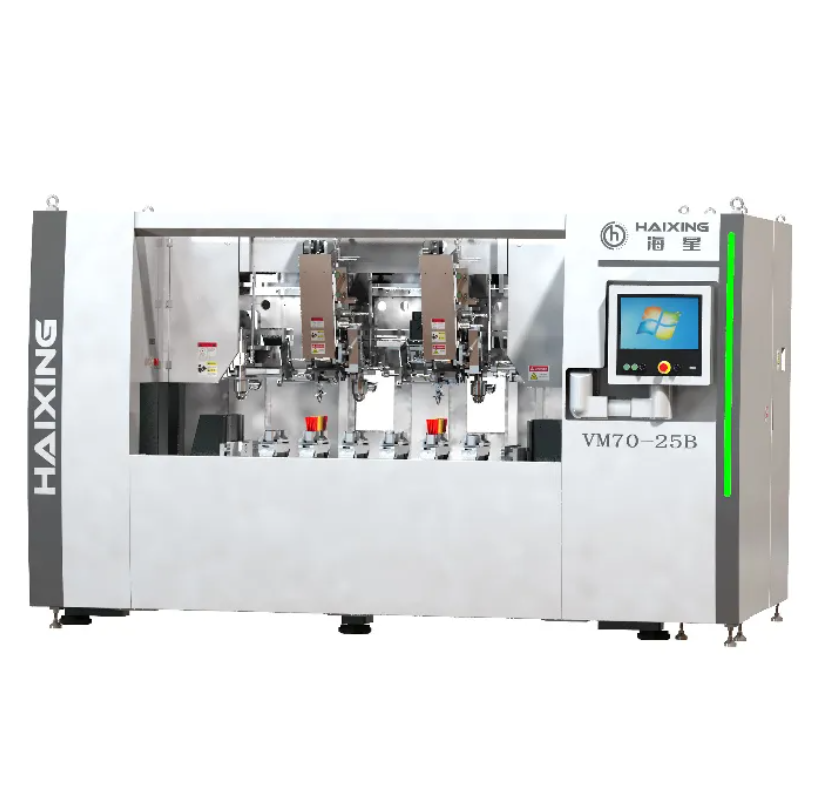
Multi-Process Automation for End-to-End Efficiency
Integrated Cutting, Drilling, Tufting, Trimming, and Packaging in One Seamless Workflow
The best brush manufacturing systems turn raw components into finished products using fully integrated automation that combines cutting, drilling, tufting, trimming, and packaging all in one continuous line. No more moving parts around between separate machines means fewer mistakes happen during handling and each batch comes out consistently good quality. These systems have smart conveyor belts guided by sensors that switch tools in just half a second, plus other sensors check where everything sits before starting each step of the process. Real world results show factories can speed things up by about 40% and cut down on wasted materials by roughly 18% when switching from older, disconnected setups according to industry reports from last year. Most standard setups manage to produce a full brush ready for sale somewhere between 12 to 15 seconds after it starts going through the machine.
Labor Reduction and Cycle Time Optimization Through Intelligent Process Handoff
Smart automation systems now handle what used to be manual transfers between workstations, replacing human operators with robotic arms guided by computer vision technology. These machines move partially completed brush assemblies from one station to another without needing any hands-on assistance. The system's artificial intelligence constantly monitors live production data and makes adjustments to how fast machines run, which helps keep everything flowing smoothly without creating traffic jams in the process. Quality checks happen automatically at various points along the line, making sure each step is properly completed before moving onto the next part of manufacturing. Production managers can watch everything unfold through central monitoring screens instead of having someone stationed at every single workstation. All these improvements mean factories need fewer workers for each product made (about 78% less labor), switching between different products takes around 82% less time than before, and there are far fewer defective items coming off the line too. When all these factors come together, companies see their overall operating expenses drop by roughly 60% compared to traditional methods.
Smart Connectivity and Data Intelligence in High Performance Brush Making Machine Systems
Real-Time Remote Monitoring and Predictive Maintenance via IoT Integration
The latest brush making machines now come equipped with IoT sensors that keep track of things like vibrations, heat levels, and how much power they're using all day long. These smart systems run machine learning algorithms on the collected information, which helps spot potential parts failures several weeks before they actually happen. According to Smart Manufacturing Report from last year, factories using these predictive systems see around 35 to 45 percent fewer unexpected breakdowns and their equipment lasts about 20% longer than usual. When sensor readings start getting close to dangerous levels, techs get automatic notifications right on their phones or tablets. This means worn out parts can be swapped out during regular maintenance periods rather than waiting for something to break down completely. The whole approach changes everything from fixing problems after they occur to planning ahead, keeping production lines running smoothly while saving money on emergency repairs.
Cloud-Based Analytics for Adaptive Performance Tuning and Production Insights
Cloud based systems gather all sorts of operational information from different shifts and product batches then turn them into useful insights for managers. Most factories now have dashboards showing key performance indicators like how much material gets wasted, how long each production cycle takes, and what percentage of products pass quality checks right away. These dashboards compare current numbers against past records so problems stand out clearly. When something looks off, the system suggests changes to things like how fast machines run or how tight certain pressures need to be set. Factory tests show these tweaks can increase output between 12% and 18%, while still keeping product quality consistent. Looking at data across multiple designs helps spot trends in how materials get used and how machines behave over time. This kind of analysis makes it easier for plant managers to plan ahead when ordering supplies, scheduling workers, and figuring out if they need more equipment for future demand.
Precision Engineering and Adaptive Control Capabilities
CNC-Guided Tufting with Dynamic Pattern Programming for Complex Brush Designs
Modern CNC guided tufting machines can place filaments with incredible accuracy at the micron level. These systems constantly adjust where needles go and how deep they insert through their programmable logic controllers. The real time servo system keeps things spot on within plus or minus 0.05 mm throughout thousands of cycles. Even when working with different materials, there's no need for tedious manual recalibrations between projects. What makes these systems stand out is their ability to handle intricate shapes such as those found in curved dental brushes or gradient industrial cylinder brushes all without changing any hardware components. Manufacturers report around 18 percent less material waste compared to older conventional setups, which translates directly into cost savings over time.
AI-Powered Vision Inspection for Real-Time Defect Detection and Quality Assurance
Machine vision systems that integrate CNN technology can scan brushes at an impressive rate of about 120 frames every second. These systems spot issues like missing bristles, uneven cuts, and all sorts of surface problems that might otherwise go unnoticed. What makes them really valuable though is the addition of spectral analysis capabilities. This advanced feature lets the system detect flaws beneath the surface that even experienced workers would miss. The result? An amazing 99.2 percent success rate in identifying defects. When something does get flagged, the automated rejection process kicks in just under a second later, stopping any contaminated products from moving further down the line. All this constant checking means factories need far fewer people for quality control work – around 65% less according to recent data – and gets products right the first time about 98.7% of the time as shown in latest manufacturing efficiency reports from 2023.
Material Flexibility and Application-Specific Adaptability
Modern brush making equipment handles all sorts of materials without breaking a sweat. These machines work just as well with natural hair as they do with plastic bristles or even steel wire, all in one production run. The best part? There's no need to stop everything and adjust settings when switching materials. Changeover times drop around 70% compared to older systems that only handle one type of material at a time. This flexibility means manufacturers can quickly switch from making soft makeup brushes to heavy duty cleaning tools whenever needed. Companies benefit from reaching different markets without having to buy separate machines for each application, which saves money in the long run.
The ability to adapt to specific applications comes from components that can be configured as needed. Think about things like swapping out tufting heads, adjusting tension settings on the fly, or changing anchor point tools depending on what's required. This kind of setup lets manufacturers fine tune their equipment for really specialized needs. Take artist brushes with those super fine 0.1mm tapers or industrial brushes used on conveyors that need extra strong anchors at the base. The system still keeps going at good speeds while producing quality results. When companies combine this wide range of materials they can work with alongside these specific configuration options, suddenly what used to be limitations becomes something valuable. These adaptable systems help businesses stay ahead in markets that keep changing whether it's manufacturing plants, hospitals needing special cleaning tools, or even everyday consumer products we use daily.
FAQ
What are the benefits of multi-process automation in brush manufacturing?
Multi-process automation enhances efficiency by integrating cutting, drilling, tufting, trimming, and packaging in one workflow, reducing errors and improving batch quality.
How does intelligent process handoff reduce labor requirements?
Intelligent process handoff replaces manual transfers with robotic arms, cutting labor needs by approximately 78% and optimizing cycle times.
How does IoT integration improve maintenance in brush making systems?
IoT integration allows for real-time monitoring and predictive maintenance, detecting potential failures weeks in advance, reducing unexpected breakdowns by up to 45%.
What role does cloud-based analytics play in brush manufacturing?
Cloud-based analytics offer insights into operational performance, suggesting adjustments for enhanced efficiency, and helping managers with informed planning.
How do CNC-guided tufting machines achieve precision?
CNC-guided machines achieve precision by dynamically adjusting tufting patterns at micron accuracy, eliminating the need for manual recalibrations.
What is the importance of AI-powered vision inspection?
AI-powered vision inspection utilizes CNN technology to detect defects at a high success rate, reducing the need for manual quality control significantly.
How does material flexibility benefit brush manufacturers?
Material flexibility allows manufacturers to switch between different materials seamlessly during production, reducing changeover times by around 70%.
How do systems adapt to specific applications?
Systems adapt to specific applications by configurable components, allowing for adjustments based on the specific needs of different brush types without hardware changes.
Table of Contents
- Multi-Process Automation for End-to-End Efficiency
- Smart Connectivity and Data Intelligence in High Performance Brush Making Machine Systems
- Precision Engineering and Adaptive Control Capabilities
- Material Flexibility and Application-Specific Adaptability
-
FAQ
- What are the benefits of multi-process automation in brush manufacturing?
- How does intelligent process handoff reduce labor requirements?
- How does IoT integration improve maintenance in brush making systems?
- What role does cloud-based analytics play in brush manufacturing?
- How do CNC-guided tufting machines achieve precision?
- What is the importance of AI-powered vision inspection?
- How does material flexibility benefit brush manufacturers?
- How do systems adapt to specific applications?