
 EN
EN
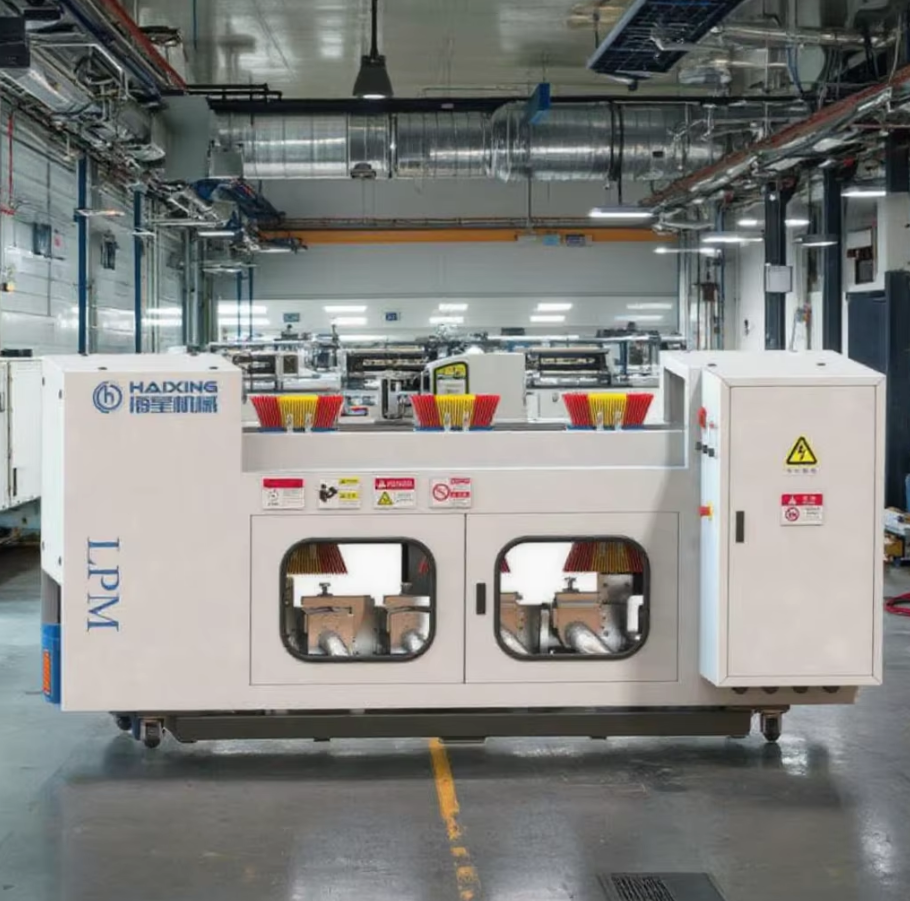
Brush Making Machine: Definition, Core Function, and Industrial Significance
Brush making machines take care of the whole brush production process automatically, inserting and holding in place all sorts of bristles like natural hair, plastic synthetics, or even metal wires right into their handles or base parts. The basic operation works through three main steps working together seamlessly: first getting the materials ready, then putting those bunches of bristles where they need to go, and finally cutting everything down to size so it looks neat. What starts as just raw stuff ends up being actual products we see every day, from big industrial scrubbing brushes to paintbrushes for artists and makeup applicators too. These automated systems have basically taken over what used to be done by hand, which means better quality control across batches, allows for some pretty complicated shapes that would be tough manually, and lets manufacturers crank out lots of brushes when needed without breaking a sweat.
These machines form the backbone of manufacturing efficiency in various industries. Car factories depend on them for cleaning wheels and finishing surfaces. Medical equipment makers count on them to produce sterile brushes for surgical tools. Consumer product companies put them to work churning out mass quantities of everyday items such as toothbrushes. Looking at just North America, the market size tops over 300 million dollars, which shows how essential they are for keeping up with the need for precisely engineered brushes. What makes these machines so valuable? They cut down on labor expenses and reduce wasted materials during production. Plus, manufacturers can customize features like comfortable grips or specialized bristle arrangements tailored to specific applications without breaking the bank.
How a Brush Making Machine Works: Step-by-Step Operational Workflow
Material Feeding, Tufting, and Trimming — The Fundamental Stages
Making brushes starts when all the materials get fed into the system. We're talking about bristles - they can be natural, synthetic stuff, or even metal wires - along with those metal bands called ferrules and the actual handle parts. Everything goes in based on what the machine was told to do. The bristles themselves need careful weighing and treatment so they pack together evenly throughout the brush. This matters because if one side has denser bristles than another, the brush just won't work right when someone actually uses it. Next comes the tufting part where machines stick these little bundles of bristles into the ferrules. Special glues get applied while everything stays sealed in a vacuum chamber to keep air bubbles from forming. Finally, lasers trim away any extra bristle length down to within about a tenth of a millimeter. For things like angled makeup brushes, getting those measurements exactly right makes all the difference between a great product and one that drives customers crazy. These modern setups can knock out an entire brush in less than 15 seconds now, which cuts down on wasted materials by around 22% compared to old fashioned hand made approaches.
CNC Precision and Automation in Modern Brush Making Machines
Modern brush manufacturing equipment now comes equipped with CNC systems that take digital designs and turn them into actual brushes with incredible precision down to the micron level. These machines have programmable paths that adjust themselves when dealing with tricky shapes like tapered artist brushes or those big industrial scrubbers, all without needing any manual adjustments to the tools. The quality control is handled by smart vision systems that scan every brush at around 200 frames each second, catching issues like uneven bristles or tufts that aren't lined up properly. Servo motors that save about 35% energy compared to older models keep these machines running non-stop day after day. What this means for production is that batches stay consistent over 99.8% of the time, which is pretty amazing. Plus, the system constantly adjusts how materials are used depending on what kind of brush needs to be made next.
Selecting the Right Brush Making Machine for Your Production Needs
Picking out a brush making machine means matching what it can do technically with what matters most for day-to-day operations. Start with production volume considerations. Facilities churning out over 10k units per day generally need fully automated CNC machines equipped with AI quality checks. But smaller shops often find semi-automated options work better since they offer more flexibility without breaking the bank. Next look at materials being processed. Does the factory handle natural fibers? Synthetic stuff like nylon or PET? Or maybe specialty wires? Whatever the case, make sure the feeding system and tufting heads can handle different diameters, strength levels, and how stiff the materials are. Finally, think about precision needs based on actual applications. Medical grade brushes or those used in metrology require tight tolerances around +/- 0.05mm. That kind of accuracy demands special equipment like servo motors for trimming and cameras to inspect quality during production.
Don't get caught looking only at what something costs at first glance when thinking about its true value over time. According to research from Ponemon Institute back in 2023, energy efficient drives actually cut down on electricity usage somewhere between 15% to maybe even 25%. Plus, systems built with modular designs let companies upgrade step by step instead of replacing everything all at once. Think about things like adding robotic components or getting those smart diagnostic tools connected without having to start fresh. When figuring out return on investment, consider how much money might be saved through reduced need for human labor since automation can handle around 70% less manual work. But also factor in how often maintenance will be needed, whether spare parts are readily available, and just how much time equipment stays running versus breaking down. And don't forget to check what kind of support suppliers offer either. Good training for operators matters a lot, regular firmware updates keep things secure, and quick access to important replacement parts makes all the difference in keeping operations going smoothly without unexpected shutdowns ruining production schedules.
| Selection Criteria | High-Volume Production | Low-Mid Volume Production |
|---|---|---|
| Automation Level | Fully automated with AI-QC | Semi-automated |
| Key Feature | Adaptive toolpath optimization | Manual material loading |
| ROI Focus | Throughput (1k brushes/hr) | Flexibility (quick changeover) |
FAQ Section
What types of bristles can be used in brush making machines? Brush making machines can handle natural bristles, synthetic materials such as nylon or PET, and even metal wires, allowing for versatility based on production needs.
How does CNC technology benefit brush manufacturing? CNC technology provides precision down to the micron level, optimizing efficiency and quality control in production, ensuring consistent batch quality.
What factors should be considered when choosing a brush making machine? Consider production volume, material types, precision needs, energy efficiency, modular design for future upgrades, and supplier support when selecting a machine.