
 EN
EN
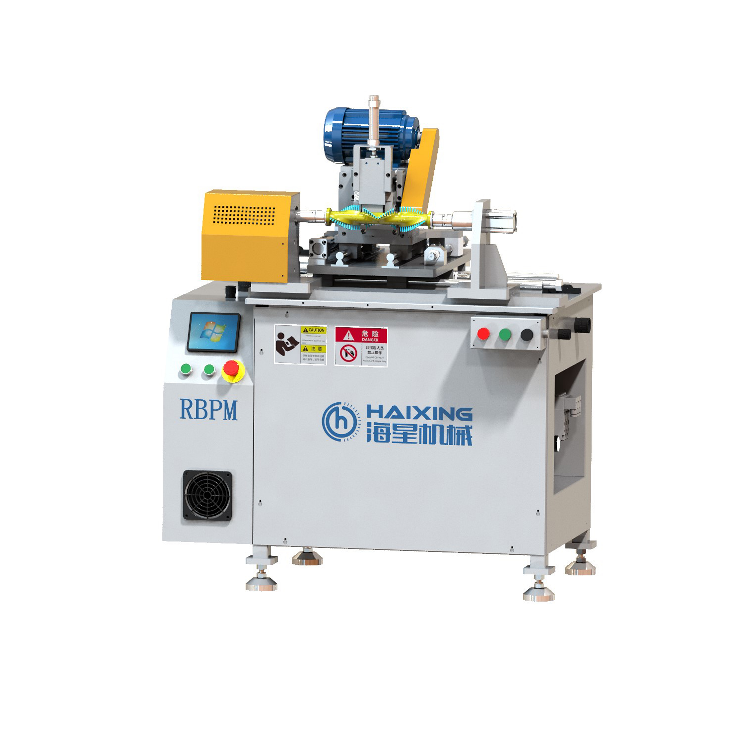
Total Cost of Ownership for a Brush Making Machine
Evaluating the true expense of a brush making machine requires looking beyond the initial purchase price. Full lifecycle costs—including installation, maintenance, energy use, and operational reliability—are critical factors often overlooked in budget planning.
Hidden Costs: Shipping, Import Duties, and On-Site Installation
Importing machinery introduces substantial ancillary expenses that can increase total investment by 30–50% versus catalog pricing:
- Ocean freight and insurance (15–25% of equipment value)
- Customs duties (5–10%) and port handling fees
- Certified technician deployment for assembly ($2k–$5k)
- Factory reconfiguration for electrical upgrades and safety compliance
| Cost Factor | Standard Machines | Optimized Machines |
|---|---|---|
| Annual Downtime | 120+ hours | <40 hours |
| Material Waste Rate | 8–10% (Industry avg.) | 2–3% |
| 5-Year Service Cost | $35k+ | $18k–$22k |
These figures reflect real-world performance differentials—not theoretical specs—and underscore how design quality directly suppresses long-term cost drivers.
ROI Drivers: Energy Efficiency, Uptime Reliability, and Build Longevity
High-performance brush making machines deliver measurable ROI through three engineered advantages:
- Energy-efficient motor power reduces consumption by 25–40% versus conventional models—translating to $7k–$12k in annual energy savings under continuous operation.
- 95%+ operational uptime, enabled by hardened components and robust thermal management, prevents an estimated $740k+ in annual production losses (Ponemon Institute, Industrial Equipment Downtime Cost Study, 2023).
- Precision-ground steel frames—rigid to within 0.1mm deflection—extend functional lifespan beyond 15 years, compared to 7–9 years for economy builds with welded or cast-aluminum structures.
Selecting based on lifecycle value—not sticker price—ensures sustainable margins. A rigorous TCO analysis consistently shows premium models yield 200–300% better ROI within five years, even after accounting for higher upfront investment.
Manufacturer Reliability and After-Sales Support for Brush Making Machines
Verifying Credibility: ISO/CCC Certifications, Alibaba Trade Assurance, and MOQ Clarity
When looking for suppliers, make sure they have ISO 9001 certification for quality management and China Compulsory Certification (CCC) for electrical safety. These certifications matter because they show the supplier maintains consistent manufacturing standards and follows regulations properly. For payment security, consider using Alibaba Trade Assurance which holds payments until both delivery and setup are confirmed. Be careful about Minimum Order Quantity (MOQ) requirements too. If a supplier offers MOQs that seem too good to be true, like ordering just one unit, this usually means they're not actually running their own factory but acting as middlemen. Good brush making machine suppliers should be upfront about who owns the factory, how much they can produce each month, and provide real compliance documents when asked—not just glossy brochures full of promises.
Spare Parts Accessibility, Local Service Network, and Preventive Maintenance Design
Make sure there's a solid guarantee of 72 hour delivery for those really important spare parts like tufting heads, filament feeders and those tricky servo drive modules. Check if the company actually has certified techs in different regions or works closely with trusted industrial machine repair services who can do same day diagnosis and fixes when needed. Equipment built with regular maintenance in mind tends to perform better long term. These machines often come with modular parts, easy access points for lubrication without tools, and built in diagnostic connections. Such features can reduce unexpected stoppages by around 30 percent according to industry stats. Also worth looking at are systems with automatic calibration processes. They help maintain consistent dimensions between production shifts so workers don't have to constantly adjust settings manually during busy periods.
Technical Fit: Capacity, Automation, and Material Compatibility of Brush Making Machines
Aligning Motor Power, Cycle Speed, and Throughput with Your Production Volume
Match machine specifications precisely to your output targets—not projected growth or worst-case assumptions:
- Units with motor power below 5 kW typically sustain ¥2,000 brushes/day at stable cycle speeds; ideal for prototyping or niche workshops.
-
15 kW+ systems reliably produce 10,000+ units/day with integrated automation—essential for contract manufacturers serving OEMs.
For low-volume operations (¥5k brushes/day), prioritize energy-efficient motors and intuitive HMI interfaces. Mid-scale producers (5k–20k/day) gain maximum leverage from automated filament loading, robotic brush ejection, and quick-change die systems. Always validate: - Throughput consistency: Verified ¥95% uptime at rated speed over 72-hour stress testing
- Changeover flexibility: Dies accommodating brush diameters from 30–180mm without structural modification
Underestimating demand volatility causes bottlenecks; over-specifying capacity inflates depreciation and maintenance overhead.
Precision Capabilities for Diverse Brush Types: Filament Handling, Tufting Accuracy, and Steel Frame Rigidity
Getting things right matters a lot in brush manufacturing. When it comes to high performance brush making equipment, these machines need to work with all sorts of materials, from rough boar bristles down to super fine nylon filaments that measure around 0.05mm thick. And they have to keep everything aligned properly even when dealing with different fiber densities and varying lengths. The secret sauce for accurate tufting lies in how rigid the machine frame is. Without proper rigidity, those delicate fibers get messed up during fast insertion processes. That's why manufacturers rely on specially ground steel frames that barely bend at all - we're talking less than 0.1mm movement even when fully loaded. This kind of stability makes all the difference between good brushes and ones that just don't perform as expected.
- Filament feeding: Vibratory bowls with ceramic-coated tracks and anti-jam sensors
- Trim consistency: Carbide-tipped blades retaining edge integrity beyond 50,000 cycles
- Material compatibility: Verified performance with FDA-compliant synthetics, abrasive-filled filaments, and conductive carbon blends
For medical, aerospace, or food-grade applications, request third-party validation reports—not just supplier assertions—on material traceability and process repeatability.
FAQ Section
What are the hidden costs of purchasing a brush making machine?
The hidden costs include ocean freight and insurance, customs duties and port handling fees, certified technician fees for assembly, and factory reconfiguration for electrical upgrades and safety compliance.
How can I ensure reliability and support from brush making machine manufacturers?
Verify supplier credibility through ISO/CCC certifications, use Alibaba Trade Assurance for payment security, and check for transparency in Minimum Order Quantity requirements.
What should I look for in brush making machine spare parts accessibility?
Look for a guarantee of 72-hour delivery for critical spare parts like tufting heads and filament feeders, certification of techs across regions, and industrial machine repair services for timely maintenance.