
 EN
EN
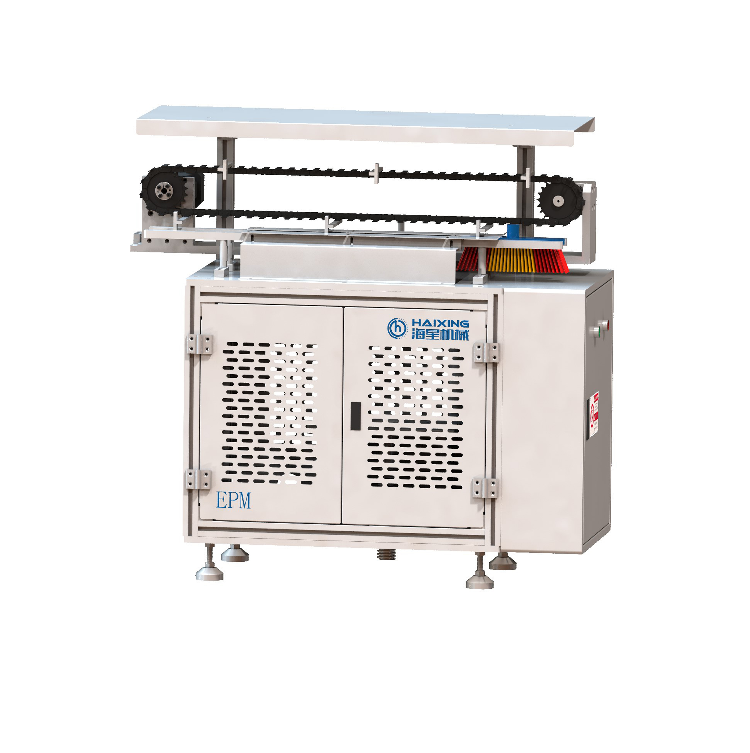
Precision Tufting and Drilling: Eliminating Over-Cut and Misalignment Waste
How brush making machine accuracy cuts filament overuse by up to 18%
Brush making machines built with precision engineering cut down on filament waste thanks to their tight control over tufting and drilling processes. These machines have computer guided tufting heads that constantly adjust tension as they work, positioning each filament within about 0.1mm accuracy. This level of control means there's no need to compensate with extra cutting length. Laser systems built right into the machines spot any position shifts during fast operations and fix them automatically. The drilling mechanism adapts to different substrate thicknesses too. All these improvements stop problems like misaligned bundles and unnecessary trimming that used to cause around 18% extra material usage in older systems. According to reports from European brush manufacturers, modern precision equipment cuts filament waste between 14% and 18% when compared to traditional methods. This improvement comes mainly from automatic error corrections and monitoring systems that track how much filament gets used in every production cycle.
Case Study: German OEM reduces nylon scrap from 12% to 3.4% after brush making machine upgrade
A German industrial brush manufacturer cut nylon scrap by 71%—from 12% to 3.4%—within eight months of upgrading to automated tufting and drilling equipment. Their previous mechanical system suffered from inconsistent hole placement and filament misfeeds, generating significant trim waste and bundle rejection. The new platform introduced:
- Intelligent pattern recognition, dynamically adjusting drill positioning based on real-time substrate imaging
- Pressure-regulated tufting heads, minimizing filament breakage across variable batch densities
- Self-calibrating drills, maintaining ±0.05mm positional accuracy without manual intervention
Real-time deviation alerts enabled immediate corrections—stopping waste before it propagated downstream. The result was €92,000 in annual material savings and a measurable shift from linear waste disposal to precision-driven resource stewardship.
Closed-Loop Feeding Systems: Maximizing Filament Utilization in Brush Making Machines
Modern brush making machines integrate closed-loop feeding systems to minimize filament waste through continuous, real-time calibration. These systems monitor and adjust material flow throughout production—reducing breakage, slack-induced snags, and inconsistent trim loss.
Real-time tension control and auto-calibrated feeders reduce breakage and trim loss
Servo driven feeders with precision control adjust filament tension as needed based on factors like material stiffness, how much moisture is present, and even when spool sizes change during operation. These systems stop problems where filaments get caught because they're too loose or snap due to excessive tension. According to tests from the International Brush Technology Institute, such improvements can cut down on wasted filament by around 15%. The auto calibration feature keeps things running smoothly between different production runs. Without it, manual adjustments often lead to alignment issues which result in about 7 to 12% extra trimming waste compared to what happens with automated systems.
Regrind reuse via integrated deburring: Turning waste into feedstock for circular material flow
The integrated deburring system takes care of those pesky off cuts and trimming leftovers right there during production, turning them into consistent little pellets for reuse. Optical scanners run along the line check the size and quality of these particles as they go through. Most impressive? Around 98 percent of what would normally be thrown away gets put back into the main production flow as tested material. This creates something close to a complete recycling loop for filaments. Companies that have installed these systems tell us their need for brand new nylon drops by about 30% once everything settles down. That means real savings at the bottom line plus better alignment with modern sustainability standards that many industries are now required to follow.
Smart Process Optimization: How IoT-Enabled Brush Making Machines Cut Operational Waste
Reducing setup waste and changeover time by 31% through predictive calibration and digital twin integration
A lot of waste in brush manufacturing doesn't actually come from the production itself but happens during setups, switching between products, and those initial test runs. Modern brush making equipment now comes equipped with built-in sensors that monitor things like parts wearing down, temperature changes, and strange tension patterns as they happen. What this does is feed information into smart calibration systems that can tweak settings and fix alignment issues before problems even start showing up. At the same time, companies are using digital twins virtual copies of their actual production lines to run simulations on how tools fit together, where filaments should go, and what kind of pressure works best. This means no more wasting materials on trial runs. Factories have seen around 31% less scrap from setup mistakes and save about 22 minutes every time they switch products. When machines catch misalignments while still running and sequence clamps properly, there's much less nylon getting wasted and trimming becomes minimal. These improvements help manufacturers stick closer to lean principles while also being better for the environment in the long run.
FAQ
What is the role of precision engineering in brush making machines?
Precision engineering in brush making machines ensures tight control over tufting and drilling processes, which reduces filament waste by preventing over-cutting and misalignment issues.
How do closed-loop feeding systems benefit brush making?
Closed-loop feeding systems continuously calibrate and adjust material flow, minimizing filament waste due to breakage, snags, and inconsistent trimming loss.
What is the impact of IoT-enabled systems on brush manufacturing?
IoT-enabled systems optimize brush manufacturing by reducing setup waste and changeover time, decreasing operational waste, and improving efficiency through predictive calibration and digital twin integration.