
 EN
EN
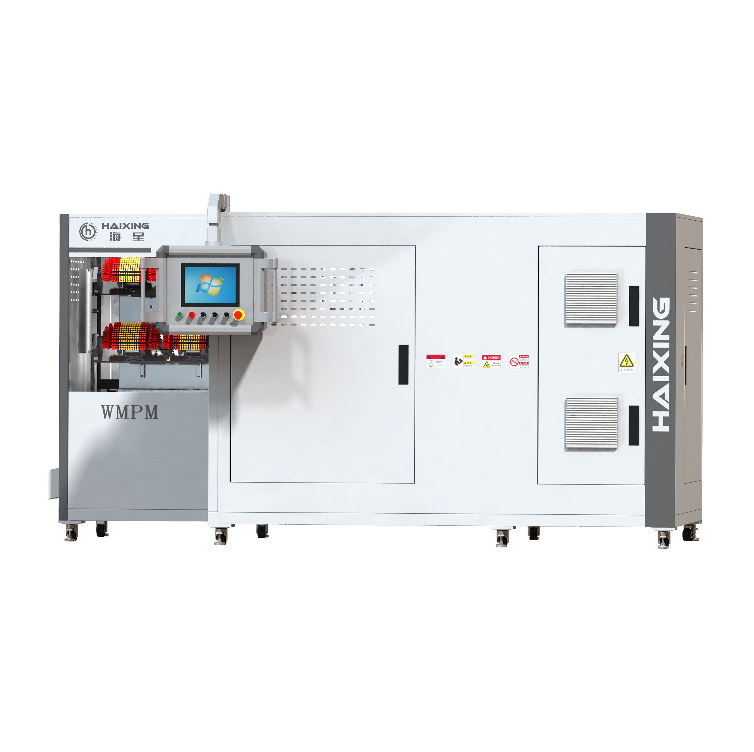
Core Operational Differences in Brush Making Machines
Manual Intervention Points: Feeding, Tying, and Ejection
Brush making machines that are semi automatic need workers to step in during three main parts of the process: when feeding the filaments, tying knots, and ejecting finished brushes. Every time someone has to do this manually, it creates a break in the workflow. These pauses usually take around 15 to maybe 20 seconds each time they happen. The fully automatic versions get rid of all these interruptions by using special servo driven feeders and built in robot arms that take care of those same three steps without stopping. This means production can keep going nonstop, which makes a big difference when making complicated brushes. With semi automatic machines, getting the filaments aligned properly often requires constant tweaking by hand, something that just isn't needed anymore with the newer fully automated systems.
Operator Skill Requirements and Shift Coverage Needs
Running semi-automatic systems needs experienced techs who can jump in when things go wrong with filaments getting jammed or tension going off track. Typically plants have around two or three folks on duty each shift just to keep an eye on everything happening. The newer fully automatic models change the game though. These machines come equipped with built-in fixes and smart sensors that spot problems before they become major headaches. That means one person can handle supervision of three to maybe even four different units at once without breaking a sweat. Industry stats show something pretty impressive here too. Labor expenses drop somewhere between 40% and almost two thirds compared to older setups. Plus workers aren't so tired out after long hours since the machines handle most of the tedious monitoring tasks themselves.
Performance Impact on Brush Quality and Output
Cycle Time and Throughput: 22–35s vs. 90–120s per Brush
Automatic brush making machines can finish a cycle anywhere between 22 to 35 seconds. Semi automatic versions take much longer at around 90 to 120 seconds per brush. That means about four times more productivity overall. When we look at hourly production rates, fully automatic systems produce well over 160 brushes compared to roughly 40 from semi automatic models. Why such a big difference? The main reason lies in automated feeding and ejection processes. These steps are where manual operations tend to slow things down because they rely on human workers. For companies dealing with large orders, this boost in output usually makes sense despite the bigger upfront cost. As production volumes go up, there's no need for proportional increases in staffing, which helps keep long term costs manageable.
Filament Placement Precision (±0.15 mm vs. ±0.8 mm) and Functional Consistency
How precise something is really affects how well it works in practice. Take filament placement for example automatic machines can place filaments within about 0.15 mm, whereas semi automatic ones typically manage around 0.8 mm accuracy. That means automatic systems have roughly 81% better tolerance control. For things like cleaning medical devices or preparing surfaces for optics work, this kind of consistency matters a lot. When bristles are evenly spaced and aligned properly, they make consistent contact with whatever needs cleaning, covering all areas reliably. The big advantage of automated tufting comes from removing human error factors completely. Each batch keeps the same stiffness and interacts with surfaces exactly as intended. On the flip side, semi automatic methods often need someone to tweak them manually during production. These adjustments tend to accumulate small errors over time, which makes each batch different from the last and reduces overall effectiveness of the cleaning process.
Yield Rates and Scrap Cost Implications: 1.4% vs. 8.2%
The difference in scrap rates between different manufacturing methods shows a real cost gap when it comes to operations. Fully automatic brush making machines typically have around 1.4% defects while semi automatic ones tend to hit about 8.2%. When a factory produces something like 100 thousand brushes, that means only about 1,400 bad units come out of automated systems but manual processes end up with nearly 8,200 faulty products. What tends to go wrong? Mostly problems with how tight the bristles are attached and filament alignment issues. These are exactly the kinds of things that automated quality sensors catch and fix as they happen during production. For companies running at medium scale, this improvement cuts down on wasted materials by roughly eighteen grand each year and significantly lowers the need for workers to fix mistakes later on.
Total Cost of Ownership for Brush Making Machines
Evaluating brush making machines requires analyzing total cost of ownership (TCO) beyond initial purchase price. Key components include:
- Initial Investment: Semi-automatic models ($50k–$80k) demand lower upfront capital versus fully automatic systems ($120k–$300k)
- Operational Expenses: Energy consumption rises 18–22% in semi-automatic units due to inefficient manual process sequencing
- Waste Impact: Automation reduces material scrap to 1.4–2.5%, versus 8–10% in semi-automatic alternatives
- Labor Efficiency: Fully automatic brush making machines cut labor costs by 35–50% over five years through continuous operation and reduced supervision needs
- Downtime Costs: Integrated diagnostics lower maintenance interruptions by 40%, increasing annual productive capacity
Industry benchmarks confirm automation achieves ROI within 2–3 years—driven predominantly by waste reduction and labor savings. When factoring in training, spare parts, and long-term reliability, high-end automated systems deliver superior functional consistency and lower lifetime expenses.
Matching Automation Level to Production Needs
High-Volume, Low-Variety vs. Low-Volume, Multi-Product Environments
Automatic brush making machines really shine when it comes to mass production of standard brush types, typically running about 3 to 4 times faster than their semi-auto counterparts. These machines work best for companies making things like industrial cleaning brushes, toothbrushes, or any product that sells well but doesn't require many different variations. On the flip side, semi automatic setups tend to be better suited for smaller runs where they need to switch between different products regularly, such as those custom made brushes or specialized applicator tools. Shops that make fewer than 5,000 brushes each day and deal with all sorts of different specs usually discover that semi automated equipment makes more financial sense. This avoids the problem of paying for capacity they don't actually use, which happens quite often when businesses go too far with automation.
Changeover Speed and Tooling Flexibility Across Brush Types
Changeover times for semi automatic brush making equipment usually fall somewhere between 15 to 30 minutes, while fully automatic systems can take anywhere from 2 to 4 hours because they need more complex tooling and multiple calibrations. This flexibility matters a lot when switching between different kinds of brushes that have various filament thicknesses, handle materials, or tufting designs. Take companies that make both tapered makeup brushes and those stiff scrubbing brushes on a weekly basis. They really get value out of being able to run smaller batches economically without having to invest in special tools for each product line. On the flip side, fully automatic systems are all about getting things exactly right every time, like keeping measurements within plus or minus 0.15 mm. But this comes at a price since these machines work best with standard parts and need much longer setup periods. So even though they deliver amazing consistency for repeated jobs, they just don't adapt well when there's any kind of design change needed.
Key Implementation Notes
- Volume Threshold: Below 20,000 daily units, semi-automation often yields better ROI
- Changeover Cost: Fully automatic retooling averages $1,200 per configuration change
- SKU Complexity: Facilities managing 50+ brush designs report 37% lower changeover costs with semi-automated systems
Frequently Asked Questions
What are the main differences between semi-automatic and fully automatic brush making machines?
Semi-automatic brush making machines require manual intervention for feeding filaments, tying knots, and ejecting finished brushes, while fully automatic machines handle these tasks without any interruptions.
How do fully automatic brush making machines improve labor efficiency?
Fully automatic machines come equipped with smart sensors and automated fixes, allowing one operator to supervise multiple units, thus significantly reducing labor costs and fatigue.
Why should a company consider investing in fully automatic brush making machines despite the higher upfront cost?
Fully automatic brush making machines offer faster cycle times, better precision, and significantly reduced scrap rates, which improves overall productivity and reduces long-term costs.
Are semi-automatic brush making machines better for smaller production runs?
Semi-automatic machines generally offer better flexibility and lower retooling costs for companies with diverse product specifications and smaller daily production volumes.
Table of Contents
- Core Operational Differences in Brush Making Machines
- Performance Impact on Brush Quality and Output
- Total Cost of Ownership for Brush Making Machines
- Matching Automation Level to Production Needs
-
Frequently Asked Questions
- What are the main differences between semi-automatic and fully automatic brush making machines?
- How do fully automatic brush making machines improve labor efficiency?
- Why should a company consider investing in fully automatic brush making machines despite the higher upfront cost?
- Are semi-automatic brush making machines better for smaller production runs?