
 EN
EN
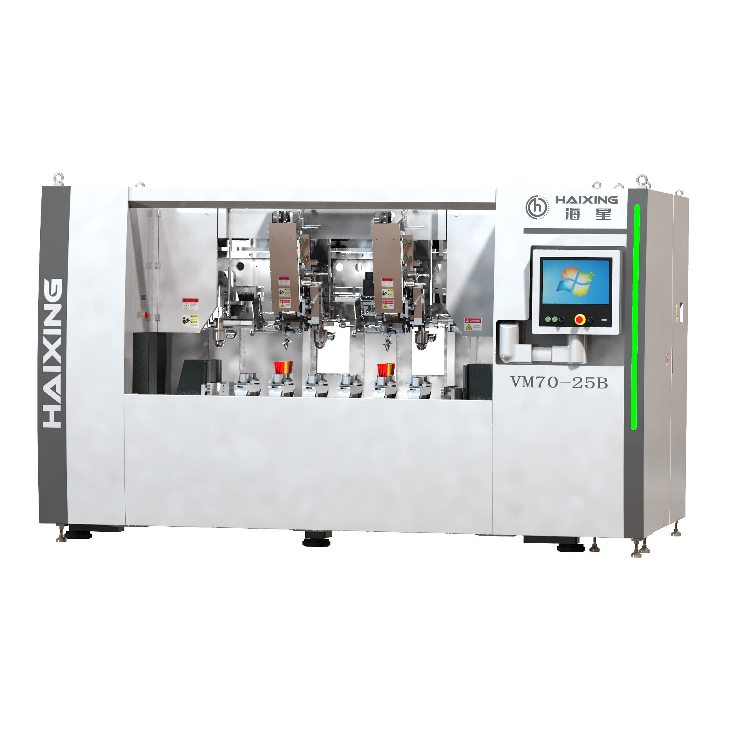
उच्च-गति ब्रश निर्माण मशीनें उत्पादन को क्यों बढ़ाती हैं
उत्पादन में अंतर: पारंपरिक बनाम उच्च-गति ब्रश निर्माण मशीनें
पुराने स्कूल के ब्रश निर्माण उपकरण आमतौर पर सभी यांत्रिक बाधाओं और लगातार हस्तचालित समायोजन की आवश्यकता के कारण प्रति घंटे लगभग 200 से 500 ब्रश बना पाते हैं। नए उच्च-गति मॉडल प्रति घंटे 700 से लेकर 1000 से अधिक इकाइयाँ उत्पादित करते हैं, जिसका अर्थ है कि उत्पादन में लगभग 25 से 40 प्रतिशत की वृद्धि होती है। ये मशीनें उपकरण बदलने, सामग्री के भंडार को पुनः भरने या पैटर्न समायोजित करने के दौरान बर्बाद होने वाले समय को कम करती हैं। वास्तव में इसका क्या अर्थ है? इन संचालनों को चलाने वाले निर्माताओं के लिए, यह प्रति वर्ष कई सप्ताह की अतिरिक्त उत्पादन क्षमता के बराबर है। ऐसी वृद्धि व्यावसायिक सफाई उत्पादों या औद्योगिक रखरखाव आपूर्ति जैसे बाजारों में मांग की तेजी से बढ़ती मांग को पूरा करने के प्रयास में बहुत बड़ा अंतर ला सकती है, जहां व्यस्त मौसम के दौरान आदेश तेजी से जमा हो जाते हैं।
मुख्य गतिशील कारक: यांत्रिक गति, सटीक नियंत्रण और चक्र समय में कमी
इस दक्षता में वृद्धि को संचालित करने वाले तीन अंतर्संबद्ध नवाचार हैं:
- यांत्रिक गति उच्च टॉर्क वाले सर्वो मोटर्स फिलामेंट के सम्पूर्ण सम्मिलन और कतरन को 0.8–1.2 सेकंड में पूरा करते हैं—जो पुराने प्रणालियों (3–5 सेकंड) की तुलना में चक्र समय को आधे से अधिक कम कर देता है।
- सटीक नियंत्रण दृष्टि-मार्गदर्शित संरेखण 1,200 आरपीएम तक की गति पर फिलामेंट की सुसंगत स्थिति सुनिश्चित करता है, जिससे संरेखण से संबंधित अपव्यय को 90% तक कम कर दिया जाता है।
- चक्र समय में कमी स्वचालित टर्नटेबल हेड्स ब्रश पैटर्न के बीच 15 सेकंड से कम समय में स्विच करते हैं—जिसमें टूथब्रश से बोतल ब्रश तक के जटिल संक्रमण भी शामिल हैं—जो पहले 30+ मिनट के हाथ से पुनः कैलिब्रेशन की आवश्यकता रखता था। सामूहिक रूप से, ये उन्नतियाँ प्रति इकाई चक्र समय को 60% तक कम कर देती हैं, जबकि आयामी सहिष्णुता ±0.1 मिमी के भीतर बनी रहती है।
उच्च-गति ब्रश निर्माण मशीनों का स्वचालित उत्पादन लाइनों में एकीकरण
बैच से निरंतर प्रवाह तक: लाइन समकालन के साथ उत्पादन क्षमता का अनुकूलन
आधुनिक उच्च गति वाले ब्रश निर्माण उपकरण पुराने ढंग की बैच प्रोसेसिंग विधियों को प्रभावित करने वाली उन असहज संकरी गलियों (बोटलनेक्स) से छुटकारा दिलाते हैं। ये मशीनें कन्वेयर बेल्ट्स और पैकेजिंग क्षेत्रों के साथ सामंजस्यपूर्ण रूप से काम करती हैं, ताकि सब कुछ सुचारू रूप से एक साथ चले। अब कदमों के बीच रुकना और शुरू करना बंद हो गया है, और कुछ होने का इंतज़ार करने में बर्बाद होने वाला समय भी नहीं है। यह प्रणाली वास्तविक समय में जो कुछ भी हो रहा है, उसे वास्तव में निगरानी करती है और उत्पादन लाइन के अन्य हिस्सों की आवश्यकताओं के आधार पर अपनी कार्य करने की गति को समायोजित कर लेती है। इससे शुरुआत से अंत तक एक कहीं अधिक कुशल कार्यप्रवाह बनता है। ब्रश निर्माण प्रक्रिया के अगले चरण के साथ गति बनाए रखता है, जबकि विभिन्न शिफ्टों के दौरान भी गुणवत्ता के उच्च मानकों को बनाए रखता है। कुछ कारखानों ने ऐसी प्रणालियों पर स्विच करने के बाद प्रति घंटा लगभग 40% अधिक ब्रश बनाने की रिपोर्ट दी है।
स्मार्ट एकीकरण: कन्वेयर प्रणालियाँ और दृष्टि-मार्गदर्शित पैकेजिंग के साथ ब्रश निर्माण मशीनें
मॉड्यूलर कन्वेयर प्रणाली टॉफ्टिंग, ट्रिमिंग और असेंबली कार्यों के लिए सभी प्रमुख स्टेशनों को जोड़ती है, जिसका अर्थ है कि अब कोई मैनुअल हैंडलिंग की आवश्यकता नहीं है। इस सेटअप से गलतियाँ लगभग 62 प्रतिशत तक कम हो जाती हैं, जैसा कि पिछले वर्ष के इंडस्ट्रियल ऑटोमेशन रिव्यू में उल्लेखित है। इन मशीनों में ये स्मार्ट विजन सिस्टम भी होते हैं जो प्रत्येक ब्रिसल की स्थिति की जाँच करते हैं और यह भी सुनिश्चित करते हैं कि आधार मजबूत है। ये प्रति सेकंड 300 छवियों की जाँच कर सकते हैं और मानकों के अनुपालन न होने वाले किसी भी उत्पाद को पैकिंग से पहले ही अस्वीकार कर देते हैं। निरीक्षण के बाद, रोबोटिक आर्म तैयार ब्रशों के छांटने का कार्य संभाल लेते हैं, उन्हें विशिष्ट उत्पाद कोडों के आधार पर डिब्बों में रखते हैं और पैलेट्स पर स्टैक करते हैं। एक बार सब कुछ उचित रूप से सेट अप कर लिया जाने के बाद, यह पूरी प्रक्रिया किसी मानव हस्तक्षेप के बिना कार्य करती है।
| एकीकरण घटक | कार्य | उत्पादन प्रभाव |
|---|---|---|
| अनुकूलनशील परिवहन | प्रक्रियाओं के बीच सामग्री मार्गनिर्देशन | परिवर्तन संचालन 30% तेज़ |
| लाइन-इन विजन सिस्टम | उत्पादन के दौरान गुणवत्ता आश्वासन | 99.2% दोष पकड़ने की दर |
| स्वचालित पैकेजिंग | तैयार माल का छांटना और पैलेटाइज़िंग | श्रम लागत में 50% की कमी |
यह समकालिक पारिस्थितिकी तंत्र मानव स्पर्श बिंदुओं को न्यूनतम करता है और लाइव डैशबोर्ड के माध्यम से वास्तविक समय में OEE (कुल उपकरण प्रभावशीलता) मेट्रिक्स प्रदान करता है—जिससे उत्पादन प्रबंधकों को त्वरित, डेटा-आधारित समायोजन करने की क्षमता प्राप्त होती है, जो सभी एकीकृत उप-प्रणालियों में ब्रश निर्माण मशीन के शिखर प्रदर्शन को बनाए रखती है।
सतत उत्पादन वृद्धि के लिए प्रौद्योगिकी अपग्रेड का मूल्यांकन
पुनर्स्थापना बनाम प्रतिस्थापन: उच्च-गति ब्रश निर्माण मशीन तैनाती के लिए आरओआई (रिटर्न ऑन इन्वेस्टमेंट) विश्लेषण
जब निर्माता अपनी तकनीक को अपग्रेड करने के बारे में सोचते हैं, तो उन्हें यह निर्णय लेना होता है कि क्या वे अपने पहले से मौजूद उपकरणों का पुनर्स्थापन (रीट्रोफिटिंग) करें (जिसकी लागत आमतौर पर कुछ नया खरीदने की लागत का लगभग 30 से 50 प्रतिशत होती है) या फिर पूर्ण प्रतिस्थापन के साथ पूरी तरह से नए उपकरणों को अपनाएँ। प्रारंभ में देखने पर रीट्रोफिटिंग निश्चित रूप से धन की बचत कराती है, लेकिन नवीनतम उच्च-गति ब्रश निर्माण मशीनें वास्तविक लाभ प्रदान करती हैं जिन्हें अनदेखा नहीं किया जा सकता। 2023 की नवीनतम उद्योग दक्षता रिपोर्ट के अनुसार, ये मशीनें पुराने मॉडलों की तुलना में 40 से 60 प्रतिशत तक तेज़ चक्र संचालन करती हैं। इनकी सटीकता भी काफी बेहतर होती है — ±0.1 मिमी के मुकाबले रीट्रोफिट की गई उपकरणों की सटीकता ±0.5 मिमी होती है। इसके अतिरिक्त, ये 15 से 30 प्रतिशत कम ऊर्जा की खपत करती हैं और उद्योग 4.0 स्वचालन प्रणालियों के साथ तुरंत कार्य करने के लिए तैयार होती हैं। रखरखाव की बात करें तो, रीट्रोफिट की गई मशीनों को समय के साथ उचित रूप से चलाए रखने की लागत लगभग 25 प्रतिशत अधिक होती है। अधिकांश बड़े पैमाने के उत्पादन संचालनों में नए उपकरणों में निवेश करने का लाभ वास्तव में केवल 18 से 24 महीनों के भीतर प्राप्त हो जाता है। छोटे पैमाने के उत्पादक अभी भी रीट्रोफिट का विकल्प विचार कर सकते हैं, हालाँकि यह केवल तभी सार्थक होता है जब उनके पास अगले पाँच वर्षों के लिए मजबूत उत्पादन आँकड़े का अनुमान हो और सततता के उद्देश्यों के प्रति वास्तविक प्रतिबद्धता भी हो।
वास्तविक दुनिया में उत्पादन लाभ: औद्योगिक तैनाती से प्राप्त साक्ष्य
वास्तविक दुनिया की परिस्थितियों में, ब्रश निर्माताओं ने उच्च गति वाले उत्पादन उपकरणों पर स्विच करने के बाद महत्वपूर्ण वृद्धि देखी है। कई कारखानों ने शुरुआत से ही अपने उत्पादन में 20 से 30 प्रतिशत तक की वृद्धि देखी है, जो मुख्य रूप से निरंतर चलने वाली गति, सटीक फाइबर स्थापना और निर्माण के दौरान अंतर्निर्मित गुणवत्ता जाँच के कारण है। एक प्रमुख आपूर्तिकर्ता ने अपने पुराने ब्रश निर्माण मशीनों को बदलने के बाद घंटे के हिसाब से अपने उत्पादन में लगातार 30% की वृद्धि देखी। उन्होंने दोषपूर्ण ब्रशों की मरम्मत करने की लगभग कोई आवश्यकता न होना और उन समय-व्यय करने वाले हस्तचालित चरणों को समाप्त करना इन नाटकीय परिणामों के मुख्य कारण बताए। ये केवल कागज पर अंकित संख्याएँ नहीं हैं। ये सुधार वास्तविक इंजीनियरिंग की उपलब्धियों से आए हैं, जो प्रत्येक उत्पाद के निर्माण लागत को कम करती हैं, बड़े उत्पादन चक्रों की अनुमति देती हैं और कंपनियों को तेजी से बदलते बाजारों में आगे रहने में सहायता प्रदान करती हैं।
सामान्य प्रश्न
उच्च गति वाली ब्रश निर्माण मशीनों के उपयोग का मुख्य लाभ क्या है?
मुख्य लाभ उत्पादन क्षमता में महत्वपूर्ण वृद्धि है, जिससे निर्माताओं को मांग में अचानक वृद्धि के साथ कुशलतापूर्वक तालमेल बनाए रखने में सक्षम बनाया जाता है।
उच्च गति वाली ब्रश निर्माण मशीनें चक्र समय को कैसे कम करती हैं?
वे यांत्रिक गति, सटीक नियंत्रण और स्वचालित टर्रेट हेड जैसी नवाचारों का उपयोग करके प्रति इकाई चक्र समय को 60% तक कम करती हैं।
क्या निर्माताओं को मौजूदा मशीनों का पुनर्योजन (रीट्रोफिट) करना चाहिए या उन्हें प्रतिस्थापित करना चाहिए?
हालाँकि पुनर्योजन शुरुआत में सस्ता है, नई उच्च गति वाली मशीनों से प्रतिस्थापन स्थायी दक्षता और त्वरित रिटर्न ऑन इन्वेस्टमेंट (ROI) प्रदान करता है, विशेष रूप से बड़े पैमाने के संचालन के लिए।
उच्च गति वाली मशीनें उत्पादन लाइनों के साथ कैसे एकीकृत होती हैं?
वे परिवहन प्रणालियों के साथ समक्रमित होती हैं और दृश्य-मार्गदर्शित पैकेजिंग का उपयोग करके मैनुअल हस्तक्षेप के बिना कुशल प्रवाह और उच्च गुणवत्ता के मानकों को सुनिश्चित करती हैं।