
 EN
EN
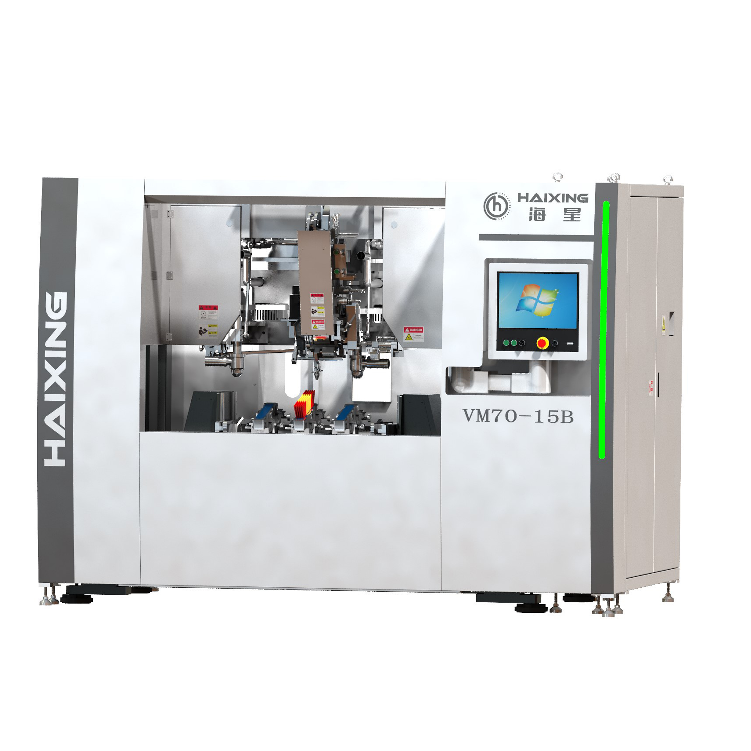
ब्रश बनाने की मशीनों में यांत्रिक विफलताएँ
फीड मिसअलाइनमेंट और जैमिंग: कारण और वास्तविक समय में दोष का पता लगाना
जब फीड में असंरेखण होता है, तो यह आमतौर पर असंगत सामग्री के कारण होता है या गाइड रेल्स के कारण होता है जो अपने बेहतर दिनों को पीछे छोड़ चुकी हैं, जिससे ब्रिसल्स या स्टॉक के मार्ग में बाधा उत्पन्न होती है, और इससे वे महंगे जैम (अवरोध) उत्पन्न होते हैं जिन्हें सभी लोग नापसंद करते हैं। आजकल, प्रकाशिक सेंसरों को कंपन विश्लेषण के साथ जोड़ा जाता है, जो समस्याओं को लगभग तुरंत पकड़ लेता है और कुछ मिलीसेकंड में ही छोटे-छोटे विचलनों का पता लगा लेता है, जिससे स्थिति बिगड़ने से पहले ही उसे नियंत्रित किया जा सके। इसके बाद प्रणाली स्वचालित रूप से बंद हो जाती है, ताकि कोई भी श्रृंखला प्रतिक्रिया के कारण होने वाले क्षति को रोका जा सके। संश्लेषित रेशों को एक उदाहरण के रूप में लें, जिनका सामना कई निर्माता रोजाना करते हैं। यदि उन्हें कोई बैच प्राप्त होता है जो बिल्कुल सही नहीं है, तो मानक सामग्रियों की तुलना में घर्षण लगभग 40% तक बढ़ जाता है, जिससे जैम (अवरोध) लगभग अपरिहार्य हो जाते हैं। यही कारण है कि कंपनियाँ हाल ही में ऑनलाइन विज़न निरीक्षण प्रणालियों में भारी निवेश कर रही हैं। विभिन्न कारखानों की रिपोर्टों के अनुसार, विशेष रूप से वस्त्र निर्माण क्षेत्र में, ये प्रणालियाँ अप्रत्याशित डाउनटाइम को 25% से 30% तक कम कर देती हैं। यह तर्कसंगत भी लगता है, क्योंकि कोई भी व्यक्ति चोटी के घंटों के दौरान उत्पादन के ठप होने की स्थिति नहीं चाहता है।
पहनना, कैलिब्रेशन विचलन और निवारक रखरखाव के सर्वोत्तम अभ्यास
निरंतर संचालन टॉफ्टिंग हेड्स और एक्सट्रूज़न नॉज़ल जैसे उच्च-तनाव घटकों में पहनन को तेज़ करता है, जिससे कैलिब्रेशन विचलन होता है—जो ±0.5 मिमी टॉफ्टिंग गहराई के अंतर या असमान चिपकने वाले पदार्थ के आवेदन के रूप में स्पष्ट होता है। एक स्तरीकृत निवारक रखरखाव प्रोटोकॉल इन विफलताओं को कम करता है:
- दैनिक : रैखिक गाइड्स को चिकनाई दें और सेंसर संरेखण की पुष्टि करें
- साप्ताहिक : गियर बैकलैश को मापें और पहने हुए फीड बेल्ट को बदलें
-
तिमाही : टॉर्क सेटिंग्स और दबाव गेज को पुनः कैलिब्रेट करें
उच्च-पहनन वाले भागों को प्रत्येक 1,200 संचालन घंटों के बाद बदलने से आकस्मिक मरम्मत की तुलना में विफलता दर 70% कम हो जाती है। मोटर बेयरिंग्स की थर्मल निगरानी आरंभिक घटने के लिए पूर्वचेतावनी क्षमता जोड़ती है।
ब्रिसल एकीकरण और टॉफ्टिंग दोष
चिपकने वाले पदार्थ के सूखने में अस्थिरता के कारण असंगत ब्रिसल एंकरिंग
असंगत ब्रिसल एंकरिंग की समस्या आमतौर पर उन परिस्थितियों में चिपकने वाले पदार्थों (एडहेसिव्स) के सुखने (क्योरिंग) के तरीके से संबंधित समस्याओं के कारण होती है, जब वे बदलती परिस्थितियों के संपर्क में आते हैं। जब तापमान ±5 डिग्री सेल्सियस से अधिक उतार-चढ़ाव दिखाता है या आर्द्रता 30% आपेक्षिक आर्द्रता (आरएच) से अधिक हो जाती है, तो यह क्योरिंग प्रक्रिया को गंभीर रूप से प्रभावित कर सकता है। कभी-कभी एडहेसिव को ठीक से सेट होने में दोगुना समय लग जाता है, तो कभी यह बहुत तेज़ी से सेट हो जाता है, जिसके कारण ब्रिसल शुरुआत में ही गिरने लगते हैं—जो कि एक बहुत ही अप्रिय स्थिति है। पिछले वर्ष की कुछ उद्योग रिपोर्टों के अनुसार, जो कंपनियाँ स्मार्ट सेंसर्स का उपयोग करके अपने पर्यावरण की वास्तविक समय में निगरानी करती हैं, उन्हें इस प्रकार की विफलताओं में लगभग 60 प्रतिशत की कमी देखने को मिलती है। निर्माताओं को अपनाने के लिए कई अच्छी प्रथाएँ हैं। सबसे पहले, कोई भी गोंद लगाने से पहले सतह के पदार्थ को लगभग 25 डिग्री सेल्सियस तक गर्म करना बहुत बड़ा अंतर ला सकता है। उत्पादन क्षेत्र में आर्द्रता के स्तर को स्थिर रखना भी अत्यंत महत्वपूर्ण है। और नियमित जाँच को भूलना भी नहीं चाहिए—लगभग हर कुछ घंटों में शियर परीक्षण (शियर टेस्ट) करने से यह पुष्टि करने में मदद मिलती है कि क्या एडहेसिव वास्तव में सही ढंग से क्योर हो गया है या नहीं।
सेंसर की खराबी या फीड दर में असंगति के कारण टॉफ्ट घनत्व में त्रुटियाँ
असंगत टॉफ्ट घनत्व के प्रमुख कारणों में ऑप्टिकल सेंसर कैलिब्रेशन में ड्रिफ्ट की समस्याएँ शामिल हैं, जो वास्तव में इन समस्याओं के लगभग दो-तिहाई मामलों का कारण बनती हैं, और जब ब्रिसल की फीड दरें विनिर्देशों से 5% से अधिक विचलित हो जाती हैं। सेंसर लेंसों पर धूल और अन्य कणों का जमा होना भी सेंसर संबंधित समस्याओं का सबसे बड़ा कारण है, जिसके बारे में अध्ययनों से पता चलता है कि यह लगभग 10 में से 8 मामलों में होता है। इन समस्याओं को दूर करने के लिए, निर्माताओं को उचित संदर्भ ब्लॉकों के साथ दैनिक कैलिब्रेशन करना आवश्यक है, यह सुनिश्चित करना है कि सर्वो मोटर्स मशीन के नियंत्रण प्रणाली के साथ पूर्णतः सिंक्रनाइज़ रहें, और SPC चार्ट्स का उपयोग करके बैचों के बीच घनत्व में परिवर्तन का ट्रैक रखना है। ये सभी उपाय लागू करने से वास्तव में बहुत अच्छे परिणाम प्राप्त होते हैं, जिससे अस्वीकृत टॉफ्ट्स में लगभग 60% की कमी आती है, जैसा कि ब्रश निर्माताओं द्वारा 2024 में जारी नवीनतम उद्योग रिपोर्ट्स में दर्शाया गया है।
सामग्री हैंडलिंग और सब्सट्रेट संगतता संबंधी समस्याएँ
नमी, धूल और दूषण का ब्रिसल चिपकने और मशीन प्रदर्शन पर प्रभाव
नमी, धूल और वायु में निलंबित कणों की उपस्थिति ब्रिसल्स के ब्रशों से चिपकने की गुणवत्ता को वास्तव में प्रभावित करती है और ब्रश निर्माण मशीनों के विश्वसनीयता पर भी असर डालती है। जब आर्द्रता स्तर अचानक बढ़ जाते हैं, तो यह चिपकाने वाले पदार्थों (एडहेसिव्स) के उचित सेट होने की प्रक्रिया को बाधित करता है, जिससे बंधन शक्ति में लगभग 40% की कमी आ सकती है—यह कुछ बहुलक अध्ययनों के अनुसार है जो हमने देखे हैं। इस कमजोर बंधन के कारण समय के साथ टुफ्ट्स (गुच्छों) के गिरने की संभावना अधिक हो जाती है। इसी बीच, जब फीड सिस्टम के अंदर धूल का जमाव होता है, तो अच्छी सीलिंग वाले फैक्ट्रियों की तुलना में बिना अच्छी सीलिंग वाले कारखानों में लगभग 25% अधिक बार जैम (अवरोध) की समस्या आती है। धूल टुफ्टिंग के लिए उपयोग किए जाने वाले उन सटीक भागों को भी सामान्य से कहीं अधिक तेज़ी से क्षरित कर देती है, जिसके कारण रखरखाव की आवश्यकता लगभग 30% अधिक बार होती है। इन मुद्दों को प्रभावी ढंग से संबोधित करने के लिए, निर्माताओं को उत्पादन प्रक्रियाओं के दौरान अपने पर्यावरण को नियंत्रित करने के लिए मज़बूत रणनीतियाँ अपनाने की आवश्यकता होती है।
- आधार सामग्री और चिपकाने वाले पदार्थों के लिए जलवायु-नियंत्रित भंडारण (≤40% आरएच)
- HEPA-फिल्टर युक्त, धनात्मक दबाव वाले क्षेत्र असेंबली स्टेशनों के चारों ओर
- फिलामेंट लोडिंग के दौरान स्वचालित ऑप्टिकल निरीक्षण जो दूषण का पता लगाता है
सक्रिय सामग्री संगतता परीक्षण सब्सट्रेट-एडहेसिव अमेल को रोकता है—जो तापीय तनाव के कारण डिलैमिनेशन का प्रमुख कारण है। इसके बिना, एंकरिंग विफलता के कारण बैच अस्वीकृति दर 15% से अधिक हो सकती है।
बैच-टू-बैच स्थिरता को प्रभावित करने वाले प्रक्रिया नियंत्रण में अंतर
ब्रश बनाने की मशीन सेटअप और मान्यन के लिए मानकीकृत मानक संचालन प्रक्रियाओं (SOPs) का अभाव
असंगत ब्रश निर्माण की अधिकांश समस्याएँ सेटअप प्रक्रियाओं के कारण होती हैं, जिनकी उचित रूप से दस्तावेज़ीकरण नहीं की गई है या जो प्रत्येक ऑपरेटर द्वारा किए जाने वाले कार्यों पर अत्यधिक निर्भर करती हैं। जब लोगों को स्थापित नियमों का पालन करने के बजाय अपने स्वयं के विवेक पर चीज़ों का कैलिब्रेशन और मान्यन करना पड़ता है, तो सभी प्रकार की समस्याएँ उत्पन्न हो जाती हैं। हम ब्रिसल्स के कितनी कसकर पैक किए जाने के तरीके, उनके उचित रूप से स्थिर रहने की क्षमता और आधार सामग्री पर सभी घटकों के सही ढंग से संरेखित होने के मामले में अंतर देखते हैं। ये छोटी-छोटी असंगतियाँ ऐसे बैचों का कारण बनती हैं जो गुणवत्ता मानकों को पूरा नहीं करते हैं। क्षेत्र के भीतर कारखानों के प्रदर्शन पर कुछ हालिया अध्ययनों के अनुसार, जिन स्थानों पर लिखित मानक संचालन प्रक्रियाएँ (SOP) का अभाव होता है, वहाँ निर्मित ब्रशों में उन स्थानों की तुलना में लगभग 30 प्रतिशत अधिक आकार विविधता पाई जाती है जहाँ उचित दस्तावेज़ीकरण होता है। यह वास्तव में तर्कसंगत है — जब सभी लोग चीज़ों को अलग-अलग तरीके से करते हैं, तो परिणाम भी स्वाभाविक रूप से भिन्न होंगे।
व्यापक मानक संचालन प्रक्रिया (SOP) के कार्यान्वयन से इस समस्या का समाधान तीन मुख्य कार्यों के माध्यम से किया जाता है:
- प्रत्येक उत्पादन चक्र से पहले उपकरण कैलिब्रेशन की चरणबद्ध जाँच लागू करना
- महत्वपूर्ण पैरामीटर्स—जैसे फीड टेंशन और एडहेसिव क्योर टाइम—की दो-ऑपरेटर सत्यापन की आवश्यकता
- सभी समायोजनों को पूर्ण ट्रेसेबिलिटी के लिए केंद्रीकृत डिजिटल प्रणालियों में लॉग करना
स्वचालित सेंसर अलर्ट पूर्वनिर्धारित थ्रेशोल्ड से पैरामीटर विचलन को चिह्नित करके संगति को मजबूत करते हैं—जिससे मान्यीकरण में व्यक्तिपरक व्याख्या समाप्त हो जाती है। त्रैमासिक मानक संचालन प्रक्रिया (SOP) रिफ्रेशर प्रशिक्षण के साथ युग्मित, यह दृष्टिकोण भविष्य में भरोसेमंद गुणवत्ता और उत्पादन दर को बनाए रखता है, जबकि पुनर्कार्य चक्रों को समाप्त कर देता है।
पूछे जाने वाले प्रश्न
ब्रश-निर्माण मशीनों में फीड मिसअलाइनमेंट और जैमिंग का क्या कारण होता है?
फीड मिसअलाइनमेंट और जैमिंग आमतौर पर असंगत सामग्री या घिसे हुए गाइड रेल्स के कारण होते हैं, जो ब्रिसल्स या स्टॉक के मार्ग को बाधित कर देते हैं।
ब्रश-निर्माण में यांत्रिक विफलताओं को कम करने में निवारक रखरखाव कैसे सहायता करता है?
एक स्तरीय निवारक रखरखाव प्रोटोकॉल, जिसमें दैनिक स्नेहन और तिमाही पुनः कैलिब्रेशन शामिल हैं, क्षरण और कैलिब्रेशन विचलन को दूर करके विफलता दर को काफी कम करता है।
ब्रिसल आसंजन में पर्यावरणीय परिस्थितियों की क्या भूमिका है?
तापमान और आर्द्रता में उतार-चढ़ाव चिपकने वाली सामग्री की पकन प्रक्रिया को बाधित कर सकते हैं, जिससे ब्रिसल के सुदृढीकरण की विश्वसनीयता प्रभावित होती है।