
 EN
EN
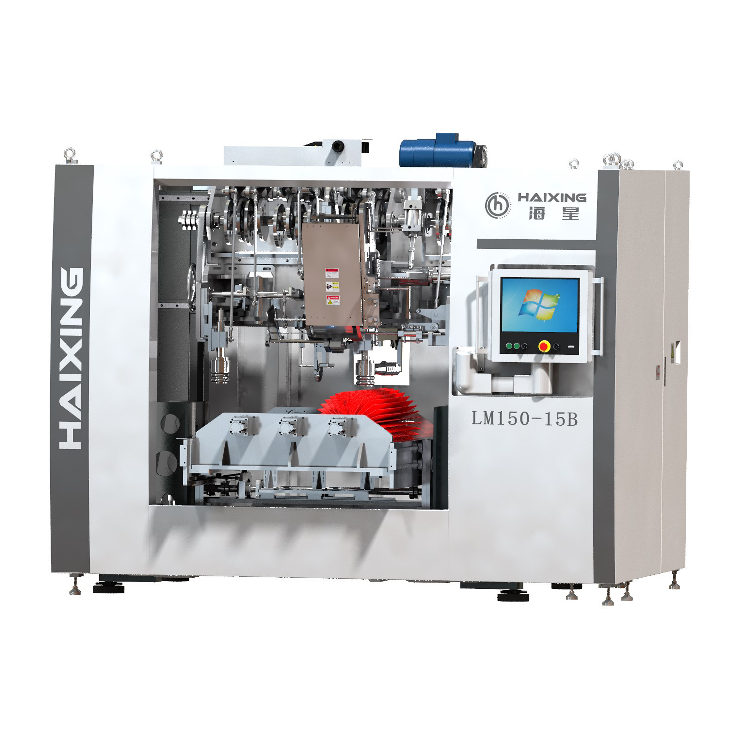
Core Engineering Foundations of Brush Making Machine Durability
High-Strength Alloy Frames and Fatigue-Resistant Drive Systems
The frames of industrial brush making machines are built from tough alloys like hardened steel or aerospace grade aluminum so they can last for decades even when exposed to moisture or harsh chemicals. These machines also have drive systems designed to resist wear and tear, with special gears and precisely ground shafts that spread out the stress during operation. The whole package works together to cut down on maintenance needs about 40 percent compared to older models, all while keeping torque accuracy pretty tight at plus or minus 0.5%. That kind of precision matters a lot for getting uniform tufting density when running at speed. A recent study by the Ponemon Institute looked at costs over time and found these improved designs save around seven hundred forty thousand dollars per production line after ten years in service.
Advanced Thermal Management and Active Vibration Damping
Getting precision right in tufting requires both good heat control and mechanical separation from outside influences. Modern machines have built-in liquid cooling systems that maintain servo motors and CNC components within just 2 degrees Celsius of their ideal working temps even after long production cycles. This helps stop the kind of thermal drift that messes up where filaments land on the fabric. At the same time, these systems incorporate vibration dampers that respond to real-time data from accelerometers, keeping unwanted shaking under control across frequencies between 15 and 200 Hz. Studies in material science show combining these two methods cuts down bearing wear by around 60 percent, which means the machine keeps placing tufts at the exact same position repeatedly, down to the micron level. What does all this mean for manufacturers? Stable operation day and night with barely measurable differences in bristle alignment (less than 0.1%), something that's absolutely necessary for meeting quality standards in sensitive industries like pharmaceuticals and electronics manufacturing.
Precision Manufacturing Capabilities Built Into the Brush Making Machine
Multi-Head CNC Tufting with Real-Time Filament Tension Control
Modern multi head CNC tufting machines work on several spindles at once, which speeds things up while still keeping quality intact. These systems have laser guided tension sensors that keep checking and adjusting how much force is applied to the filaments during insertion. The system maintains tension within about half a Newton throughout the whole process. What does this mean? Less broken threads and brushes that look consistent from one section to another. According to tests run in real manufacturing environments, these advanced systems reduce wasted materials by around 18 percent and make tufts stick better by roughly 22 percent when compared to older mechanical methods. For manufacturers working with tough synthetic fibers, this kind of consistent performance makes a big difference in whether their finished products will hold up over time.
Integrated Wire Cutting, Stapling, and Trimming for One-Pass Production
Modern brush manufacturing equipment has revolutionized how we handle wire processing by combining several separate steps into one streamlined operation. Pneumatic systems accurately cut the ferrule wire according to pre-programmed specifications. The machine's servo-driven stapling heads place anchors at just the right 120 degree angle for maximum hold. High speed rotary trimmers then shape those filament ends with incredible precision down to about 0.1 millimeter. Getting rid of all that manual handling between stages cuts out roughly a quarter of the problems typically seen in older methods. Production cycles get shortened by around 40 percent too. And importantly, these machines maintain strict compliance with ISO 21940 standards for dynamic balance. This matters because when brushes spin at high RPMs in industrial machinery, even small imbalances can lead to serious failures down the line.
Automation, Intelligence, and Operational Reliability
Collaborative Robotics for Material Handling and In-Line Quality Sampling
Modern brush making equipment now incorporates collaborative robots, or cobots, to handle tasks like loading filaments, positioning components, and performing quality checks along the production line without needing those bulky safety cages. These machines can adjust on the fly to different brush shapes and materials, pulling out random samples during operation for immediate tests on tension levels and checking how well the tufts align. When something goes off track, the system automatically adjusts the pressure for stapling and fine tunes trimming settings, which cuts down on manual fixes by about two thirds according to industry standards. But there's another benefit too: all this constant monitoring feeds into predictive maintenance systems that help prevent unexpected breakdowns and actually prolong machine lifespan. What used to be a straightforward manufacturing process has become something much smarter now, constantly adjusting itself and getting better over time as it learns from every batch produced.
Certified Compliance and Industry-Validated Reliability Standards
Brush making equipment gets its durability verified through ISO 9001 quality standards and ISO 14001 environmental certifications. These aren't just paper credentials either - independent tests show failure rates below 0.3% after simulated 15 year operations, all while maintaining precise filament placement down to the micron level. When auditors come in for certification checks, they look closely at where materials come from, how strong the welds are, and whether proper failure analysis procedures are in place according to accredited organizations. Plants that actually run these certified machines experience about 98% fewer unexpected shutdowns compared to older setups without such approvals. Service intervals last around 40% longer too. So what does this mean? Compliance with these standards isn't just paperwork stacking up in filing cabinets somewhere. It really makes a difference in keeping production running smoothly day after day, whether working with natural fibers or synthetic filaments.
FAQ
What materials are used in brush making machine frames?
The frames of these machines are typically made from tough alloys such as hardened steel or aerospace-grade aluminum to withstand harsh environments.
How do modern brush making machines handle heat and vibrations?
These machines have built-in liquid cooling systems for thermal management and use vibration dampers to control unwanted shaking, ensuring precision.
What is the role of collaborative robots in brush making?
Collaborative robots, or cobots, assist in material handling, component positioning, and quality checks, enhancing the efficiency and reliability of the production process.
How do certification standards affect the reliability of brush making machines?
Certification standards like ISO 9001 and ISO 14001 ensure that brush making machines are reliable and durable, leading to fewer unexpected breakdowns and longer service intervals.