
 EN
EN
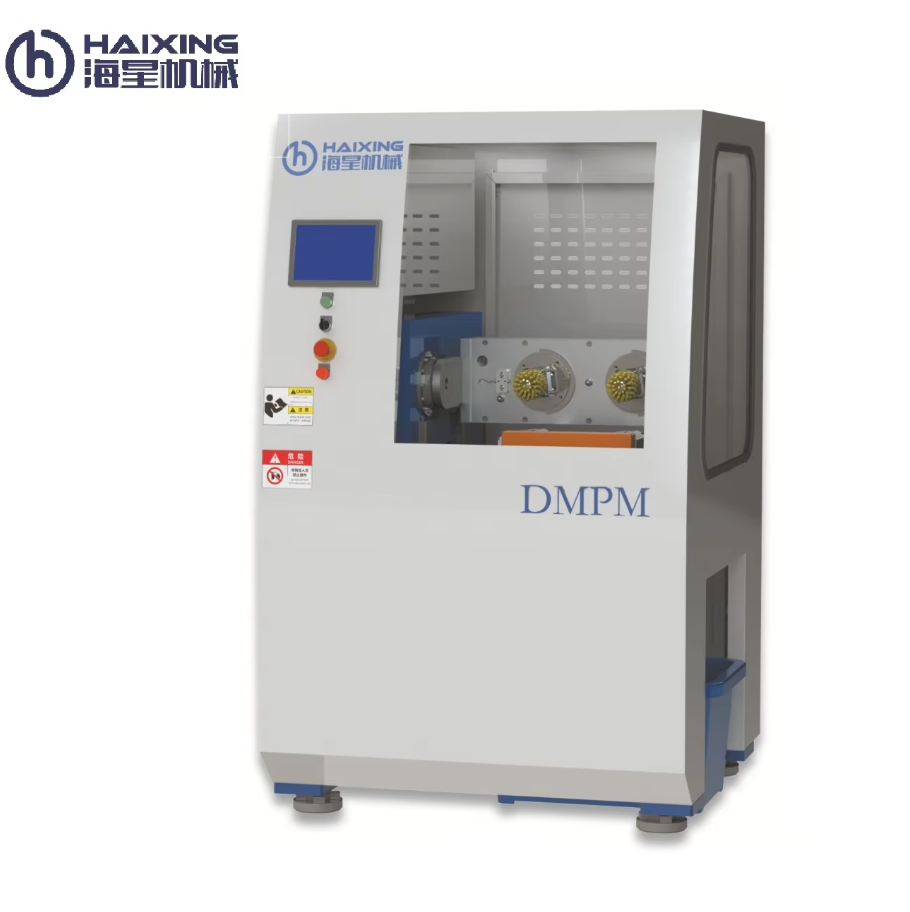
Precision Automation: Eliminating Variability with Brush Making Machines
Computer Numerical Control (CNC)-Controlled Filament Insertion for Sub-Millimeter Repeatability
Today's brush manufacturing equipment reaches remarkable levels of accuracy thanks to computer numerical control (CNC) systems that guide filament insertion. These machines position individual bristles with incredible precision, often within fractions of a millimeter. The result? Brushes with consistent bristle density, uniform length, and proper anchor depth throughout each product. This eliminates many of the errors that happen during manual production when workers get tired and start placing bristles inconsistently. When manufacturers automate both the path of insertion and adjust the pressure applied on the fly, they can maintain those important tufting patterns needed for everything from heavy duty scrubbing tools to delicate makeup brushes used in cosmetics. Most modern systems come equipped with feedback loops that constantly check where each bristle ends up. This not only cuts down on wasted materials by around 20% compared to old school manual techniques but also makes the finished brushes last longer and perform better for customers who rely on them day after day.
Real-Time Monitoring and Closed-Loop Adjustment Across Production Runs
Modern brush manufacturing setups now come equipped with IoT sensors that keep track of things like filament tension, temperature changes, and how fast materials are fed into the system. If something goes off track - maybe the material gets thicker than expected or there's a change in room conditions - these smart systems automatically kick in to fix problems right away. They might tweak how deep bristles get inserted, alter pressure settings, or even slow down the whole process, all while keeping production running smoothly. This kind of quick thinking stops defects from spreading through entire batches and keeps product quality stable even when machines run nonstop for days on end. According to numbers crunchers at top factories in 2023, implementing these sensor-based controls cuts down on rejected products caused by size inconsistencies by around 30%. What's really impressive is that this works just as well whether making a small order of 500 brushes or scaling up to massive runs of 50 thousand units.
Consistent Quality Enforcement Through ISO-Compliant Brush Making Machines
Tight Tolerance Control in Bristle Density, Length, and Anchor Depth
Brush making machines that meet ISO standards maintain strict quality controls by managing three key factors at the micron level: bristle density varies within 3%, filament lengths stay within 0.2 mm tolerance, and anchor depths remain accurate to within 0.1 mm. These machines use servo systems with real time feedback to handle variations in materials or changes in the environment around them. Dynamic pressure sensors constantly tweak the tufting force so there aren't any soft spots or areas packed too tightly that would wear out faster. Laser systems trim the filaments to just the right height, and controlled anchoring techniques help prevent shedding when brushes are actually used. All these features align with what ISO 9001:2015 asks for regarding standardized processes and statistical process control. Manufacturers report defect rates dropping as much as 68% compared to old manual methods according to industry data, which is why these machines can pass even the toughest inspections required for aerospace applications and medical grade cleanliness standards.
Post-Processing Assurance: Brush Deburring Machines as Integrated QA Nodes
Deburring machines have become essential parts of quality control in modern brush manufacturing systems rather than just extra inspection steps tacked on later. These machines handle several tasks at once that used to require manual labor: they clean away tiny flaws at the ends of bristles, check how even the surface looks across the whole brush head, and stop defective brushes from ever reaching customers. The edge finishing work happens with incredible accuracy down to the micron level so brushes maintain their effectiveness whether someone is using them for paint jobs, house cleaning, or applying coatings professionally. Smart vision technology scans each brush looking for cracks and marks anything where the bristle density varies more than 2 percent from standard specs. When problems are detected, automatic systems kick in right away to isolate those faulty brushes instead of letting them mix with good ones.
Edge Finishing, Surface Integrity Verification, and Defect Prevention
The abrasive nylon filament brushes spin at just the right speed to knock off those pesky burrs without messing up the anchors themselves. At the same time, these high res cameras are scanning for tiny cracks and alignment issues that might otherwise go unnoticed. What makes this two step approach so effective? It tackles three main problems head on bristles coming loose from the brush heads, inconsistent fluid spread across applicators, and those annoying scratches left behind when filaments stick out too far. Putting these deburring machines right after the tufting stations creates what we call a closed loop system for corrections. The results speak for themselves with most products passing quality checks on the first try around 98 or 99 percent of the time depending on conditions.
42% Reduction in Rework: Evidence from 2023 NAM Benchmark Survey
A recent survey by NAM in 2023 looked at 37 companies making industrial brushes and found something interesting. When they installed integrated deburring systems, these companies saw their need for rework drop by around 42%. Why does this happen? Well, basically, it's all about catching problems early on. Fixing issues right after tufting costs way less money compared to when things go wrong later in the assembly process. At that stage, repairs usually end up costing about five times more in both labor and materials. And get this, the same research showed another benefit too. Companies eliminated separate inspection stations altogether, which boosted their production speed by approximately 31%. What used to be just a checkpoint for quality control became something actually useful for the manufacturing process itself.
Next-Generation Capabilities: AI and Vision Systems in Modern Brush Making Machines
AI-Powered Real-Time Defect Detection and Adaptive Calibration
Today's brush manufacturing equipment incorporates artificial intelligence along with advanced vision systems to bridge what used to be a big problem for quality control teams. These smart systems run deep learning models that check each brush as it moves through the production line, catching small issues humans often miss during regular checks. Things like uneven bristle placement, off-center alignment problems, or tiny surface flaws get spotted automatically. The cameras keep track of how far apart the filaments sit, how tightly packed the tufts are, and how deep they're set into the handle. If measurements fall outside standard industry specs, typically around plus or minus 0.1 millimeters for spacing, then special servos kick in to tweak the nozzles right there on the assembly line. This means manufacturers can maintain high quality standards while keeping their production running smoothly without constant stoppages.
Closed loop intelligence actually produces results worth noting. According to the latest NAM Benchmark Survey from 2023, factories using AI systems saw their rework rates drop by around 42%. What makes this really interesting is how these systems learn as they go along. They get better at spotting problems without flagging good products as defective. The AI refines its detection models based on past defects it's encountered. This means those old brush making machines aren't just getting smarter but becoming platforms that optimize themselves automatically. First pass yields improve significantly, there's less wasted material, and overall processes become much more reliable in the long run.
FAQ
What advancements make computer numerical control systems precise in brush making?
Computer numerical control (CNC) systems drive precision in brush making machines by ensuring sub-millimeter accuracy in bristle placement, density, and insertion depth, thus eliminating human errors.
How do IoT sensors contribute to modern brush manufacturing?
IoT sensors monitor production variables like tension and temperature, allowing real-time adjustments that prevent defects and ensure consistent quality across production runs.
What benefits do ISO-compliant brush making machines offer?
ISO-compliant machines offer tight tolerance control and dynamic adjustments, adhering to strict quality standards that minimize defects and meet inspection requirements in demanding industries.
How do deburring machines enhance brush quality post-processing?
Deburring machines perform edge finishing and defect inspection, preventing defective brushes from reaching consumers by resolving issues immediately after tufting.
What role does AI play in modern brush making machines?
AI-powered systems enhance defect detection and adaptive calibration, optimizing quality control by learning from past defects and reducing rework rates significantly.
Table of Contents
- Precision Automation: Eliminating Variability with Brush Making Machines
- Consistent Quality Enforcement Through ISO-Compliant Brush Making Machines
- Post-Processing Assurance: Brush Deburring Machines as Integrated QA Nodes
- Next-Generation Capabilities: AI and Vision Systems in Modern Brush Making Machines