
 EN
EN
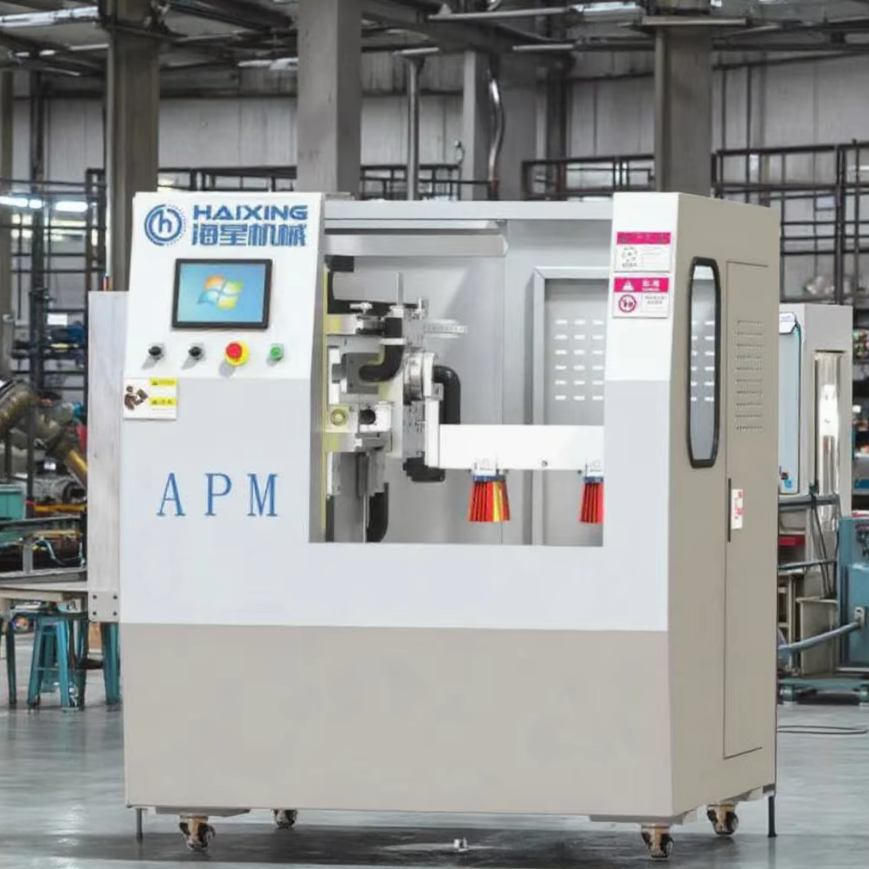
Reduced Labor Dependency and Operational Costs
40–60% fewer operators per production line with Automatic Brush Making Machines
Brush making machines that are fully automatic can cut down on the number of operators needed by somewhere between 40% to maybe even 60% along each production line when compared to what happens in manual or semi automatic operations. And this means companies save money on wages, spend less time training new people, and have fewer administrative headaches all while still keeping their output levels steady. These machines take care of those boring repetitive jobs such as feeding filaments, inserting tufts, and doing basic quality checks. What this does is free up workers so they can focus on things that actually matter more, like overseeing operations, performing maintenance work, or figuring out how to make processes run better. Companies end up with smaller teams that can respond faster to changes in demand, plus they don't face the same high costs associated with constantly hiring and losing employees.
Elimination of repetitive strain injuries and associated downtime in manual tufting
When manufacturers swap out those repetitive wrist and shoulder movements for robotic tufting systems, they're basically tackling one of the main reasons workers get hurt making brushes. Manual tufting has been causing all sorts of long term problems for employees over the years. And let's not forget the real numbers behind this change either. Factories typically save around 22 man hours every month just from avoiding injuries related downtime. The financial benefits stack up too. There are obviously fewer worker comp claims flying around, people aren't taking as much time off sick, and companies spend less money on retraining staff who were injured on the job. Plus, when machines perform consistently without these human errors, there's a noticeable drop in quality issues further down the production line that would otherwise require costly rework and create delivery delays for customers.
Faster, Synchronized Production Cycles
Cycle time compression: 22–35 seconds per brush vs. 90–120 seconds with semi-automatic systems
Automatic brush making machines cut down production time dramatically, around 60 to 75 percent faster than before. Each brush now takes only 22 to 35 seconds to make compared to the old semi automatic systems which needed anywhere between 90 and 120 seconds. The speed boost happens because these machines have built in servo motors, those PLC control boxes we all know about, plus various subsystems working together so there's no waiting for humans to handle parts manually anymore. The feeding system works automatically, robots position clamps exactly where they need to go, and there's even real time corrections happening during assembly all while keeping things aligned within about 0.1 millimeters. One big factory actually tested this out and saw their daily output jump from making 300 brushes up to over 1,300 in the same 8 hour workday. This means less stuff sitting around unfinished on shelves and better ability to react when customer orders change suddenly.
Real-time integration of tufting, trimming, and adhesive dispensing eliminates workflow bottlenecks
Traditional manual or semi-automated production lines often sit idle for 25 to 40 percent of the time between workstations. Automatic machines change this completely by combining tufting, trimming, and adhesive application all within one continuous process controlled by sensors. The Industrial Internet of Things makes this possible. When the tufting is done, proximity sensors kick off laser guided trimming right away. At the same time, inline viscosity monitors keep adjusting how much adhesive flows based on what kind of material they're working with. These smart systems cut down on waiting times, fix alignment issues before they happen, and get rid of those annoying bottlenecks during curing. As a result, factories can run their equipment almost nonstop at around 98% efficiency, which means no need for extra inventory storage space between different production stages anymore.
Higher Precision, Consistency, and Yield with Automatic Brush Making Machines
±0.15 mm filament placement accuracy—significantly tighter than ±0.8 mm in manual setups
The servo controlled placement systems can position filaments with around 0.15 mm accuracy which is actually about five times better than what we see in manual methods that typically have +/- 0.8 mm tolerance. When brushes are made this precisely, they end up with consistent bristle density, spacing between each bristle, and proper alignment throughout. This matters a lot in certain industries. Take medical devices for example, where even tiny variations matter. The same goes for cleaning semiconductor wafers and working with those very precise measurement instruments. In these situations, anything less than perfect at the sub millimeter level can really mess things up functionally or cause problems meeting regulations.
Scrap rate reduction from 8.2% to 1.4% validated across 12-month OEM production audits
OEM production audits over 12 months show that scrap rates dropped dramatically from around 8.2% down to just 1.4% once automation was implemented, which represents about an 83% decrease overall. The system combines optical sensors with force detection technology to spot issues like faulty filaments, feed problems, or inconsistent adhesives as they happen on the line. When something goes wrong, these systems kick in right away and reject bad products before they ever reach final assembly stages. Mid sized manufacturing companies typically save around seven hundred forty thousand dollars each year just from cutting down on wasted materials according to research published by the Ponemon Institute back in 2023. What makes this even better is the closed loop calibration feature that keeps adjusting both tufting pressure levels and adhesive amounts throughout operation. This helps stop those frustrating chain reactions of rework that plague many traditional manual processes still used today.
Frequently Asked Questions (FAQ)
Q: How much labor cost savings can be expected with automatic brush making machines?
A: Companies can expect to cut labor costs significantly by reducing the number of operators needed along the production line by 40–60%, thanks to full automation.
Q: What are the benefits of reducing repetitive strain injuries in manufacturing?
A: Reducing repetitive strain injuries helps avoid downtime, reduces workers' compensation claims, minimizes sick leave, and saves money on retraining staff.
Q: How does automation improve production speed?
A: Automatic machines compress cycle time, producing each brush in 22–35 seconds compared to 90–120 seconds, utilizing built-in servo motors, PLC control boxes, and efficient subsystems.
Q: How accurate is filament placement with automatic brush making machines?
A: Automatic machines achieve ±0.15 mm filament placement accuracy, considerably tighter than the manual setup tolerance of ±0.8 mm.
Q: What impact does automation have on scrap rates?
A: Automation can reduce scrap rates from 8.2% to 1.4%, an 83% decrease, through real-time error detection technology and immediate corrective action.