
 EN
EN
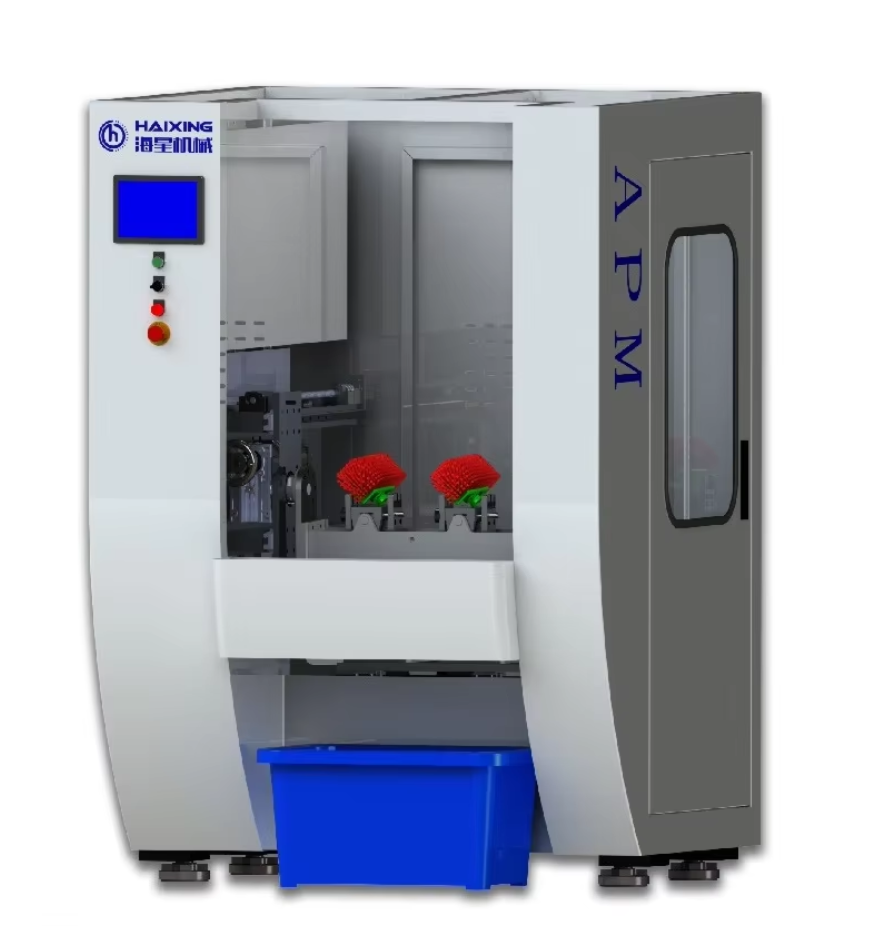
Smart Manufacturing and Industry 4.0 in the Brush Making Industry
IoT-Enabled Predictive Maintenance for Brush Production Lines
IoT sensors keep an eye on things like motor vibrations, temperature limits, and how much power different parts of brush making machines are using. When these smart systems look at what's happening right now versus what we know happens before failures occur, they can actually predict when maintenance will be needed anywhere from three to seven days ahead of time. This gives technicians plenty of warning to replace bearings or adjust belt tensions before something breaks down completely. The effect? Production lines run about 18 to maybe even 22 percent longer without stopping, which means way less wasted materials when unexpected shutdowns happen during important steps such as filament extrusion. Plus, getting real time diagnostic info cuts down the time workers spend figuring out problems by roughly two thirds compared to old fashioned manual checks.
AI-Driven Adaptive Control Systems Optimizing Bristle Insertion and Trimming
The computer vision systems check how the bristles line up at around 120 frames each second, sending all this information to machine learning algorithms which then tweak the insertion angles on the fly. This helps make up for those little inconsistencies we see in materials like nylon and PBT. When it comes time for trimming, special force sensors pick up changes in material density and automatically adjust the pressure applied by the blades, so every tip ends up looking pretty much the same. These smart adjustments keep things within about 0.05mm accuracy even when dealing with brushes containing over 10,000 bristles. The result? About 30 percent fewer bad products coming off the line and production cycles that run roughly 15 percent quicker. Plus, everything just looks better and works more consistently from one batch to the next.
Next-Generation Bristle Materials Revolutionizing Brush Performance
The brush making industry is seeing major improvements thanks to new developments in synthetic polymers. Materials such as nylon, PBT or Polybutylene Terephthalate for short, along with carbon fiber reinforced filaments have become standard in high end applications where older materials simply don't cut it anymore. Carbon fiber bristles offer something special when it comes to strength versus weight. They can scrub surfaces about 15 to 20 percent better than steel alternatives and won't rust even when constantly exposed to moisture. Some heat stabilized nylon variants can handle temperatures between 120 and 150 degrees Celsius without warping, which makes them ideal for tough industrial cleaning jobs. What's really interesting though is how these advanced plastics allow manufacturers finer control over bristle shape during trimming processes, leading to much more consistent contact with whatever surface needs cleaning.
Functional Filaments: Antistatic, Chemically Resistant, and Biodegradable Solutions
New filament technologies now come with special features that make brushes work better in industries where things can go wrong easily. For instance, antistatic polymer filaments help get rid of static electricity at levels under one million ohms per square inch, which is super important in making computer chips since even tiny sparks can damage delicate electronic parts. Some blends with fluoropolymers stand up against harsh chemicals like acids and solvents much longer than regular materials, so they last 2 to 3 times as long when used in chemical plants. Meanwhile, brushes made from biodegradable PLA or PHA will break down naturally within about two years after being thrown away, helping companies meet green goals while still doing a good job cleaning stuff for consumers. Labs have tested these new materials and found they keep around 90% of their strength compared to standard synthetic options throughout their working life.
Digital Design and Precision Fabrication Enabling Custom Brush Innovation
The integration of advanced digital tools is redefining manufacturing capabilities in the Brush Making Industry—empowering unprecedented levels of customization, repeatability, and quality.
CAD/CAM-Driven Engineering and CNC-Automated Bristle Placement
CAD and CAM systems cut down on prototype development time significantly compared to old school manual drafting methods. Designers can now tweak things like bristle arrangements or adjust how comfortable the handle feels all within digital environments that take just minutes instead of weeks to complete. Once those changes are made, CNC machines come into play. These advanced tools carry out the actual manufacturing work with incredible accuracy at the micron level. They handle everything from inserting individual bristles to trimming them to exact specifications. What this means for manufacturers is no more guesswork when it comes to consistency across products. Plus, they can create intricate shapes and forms that simply weren't possible before with conventional mold techniques.
3D-Printed Hybrid Brushes with Embedded Sensing Capabilities
3D printing allows for quick development cycles of these special hybrid brush designs that traditional injection molding just cant match. Companies are now putting tiny sensors right into the brushes while they print them, so they can track things like how pressure spreads across surfaces during heavy duty cleaning tasks. These so-called smart brushes actually change their firmness depending on what kind of surface they're working on, which cuts down on wear and tear by around half compared to regular brushes. Plus, this manufacturing method helps cut waste because it uses exactly the right amount of material needed. Some manufacturers even offer versions made from plant-based filaments that break down naturally after disposal.
FAQ
What is Industry 4.0 in the context of brush making?
Industry 4.0 refers to the integration of advanced technologies such as IoT, AI, and digital design in manufacturing processes. In brush making, these technologies optimize production, reduce waste, and enhance product quality.
How does IoT-enabled predictive maintenance benefit brush production?
IoT sensors monitor critical aspects like motor vibrations and power usage, allowing predictive maintenance scheduling. This leads to fewer unexpected shutdowns and approximately 18-22% longer production line run times.
What advantages do AI-driven systems bring to bristle insertion and trimming?
AI-driven systems use computer vision and machine learning for real-time adjustments, improving precision and reducing defective products by about 30%.
Why are next-generation bristle materials important?
These advanced materials, like carbon fiber and heat-stabilized nylon, offer improved performance, durability, and environmental benefits compared to traditional options.
How do digital design tools impact brush innovation?
Digital design tools like CAD/CAM facilitate fast prototyping and customization, while CNC machines ensure accurate and consistent production, enabling intricate designs.
What is the role of 3D printing in modern brush making?
3D printing allows rapid development of hybrid brushes with embedded sensors, reducing material waste and enhancing functional capabilities.
Table of Contents
- Smart Manufacturing and Industry 4.0 in the Brush Making Industry
- Next-Generation Bristle Materials Revolutionizing Brush Performance
- Digital Design and Precision Fabrication Enabling Custom Brush Innovation
-
FAQ
- What is Industry 4.0 in the context of brush making?
- How does IoT-enabled predictive maintenance benefit brush production?
- What advantages do AI-driven systems bring to bristle insertion and trimming?
- Why are next-generation bristle materials important?
- How do digital design tools impact brush innovation?
- What is the role of 3D printing in modern brush making?