
 EN
EN
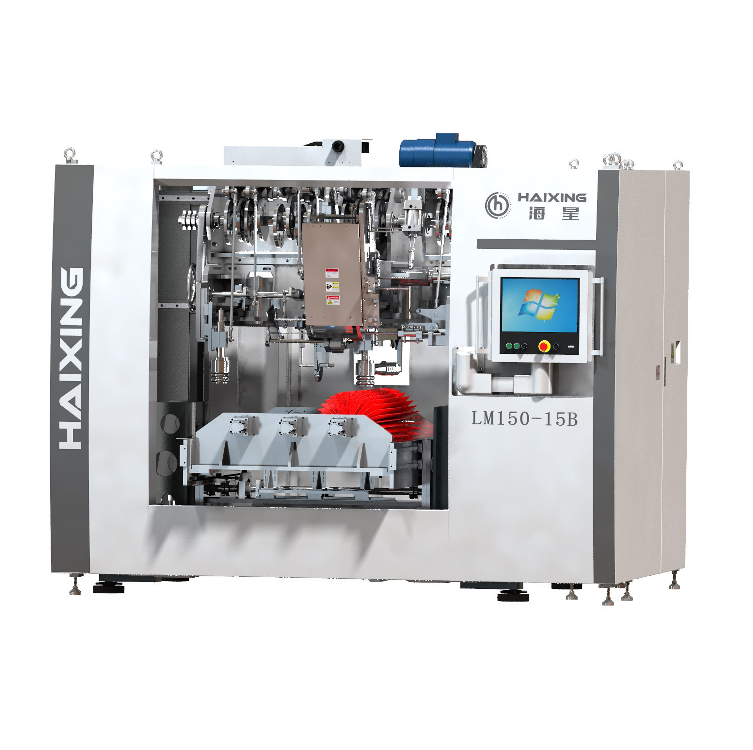
ब्रश बनाने की मशीन की दीर्घकालिकता के लिए दैनिक और साप्ताहिक निवारक रखरखाव
प्रारंभ करने से पहले आवश्यक दृश्य और कार्यात्मक जाँच
उस ब्रश बनाने वाली मशीन को चालू करने से पहले, चीज़ों की सावधानीपूर्ण जाँच करने के लिए कुछ मिनट का समय लें। सबसे पहले, दृश्य रूप से जमा हुए मलबे, उन स्थानों पर फँसे हुए अवशेष फिलामेंट्स या मशीन के महत्वपूर्ण भागों के आसपास तरल के रिसाव के कोई लक्छन आदि की जाँच करें। ब्रश हेड्स और माउंटिंग प्लेट्स को एक साथ रखने वाले बोल्ट्स और स्क्रूज़ की जाँच करें ताकि सुनिश्चित किया जा सके कि कुछ भी ढीला या घिसा हुआ न हो। विद्युत कनेक्शन्स की भी जाँच करना न भूलें—वहाँ संक्षारण भविष्य में बड़ी समस्याएँ पैदा कर सकता है। आपातकालीन स्टॉप बटन्स का भी परीक्षण करना आवश्यक है। विश्वास कीजिए या नहीं, ओएसएचए (OSHA) के पिछले वर्ष के आँकड़ों के अनुसार, टूटी हुई सुरक्षा प्रणालियाँ कारखानों में होने वाले सभी टाले जा सकने वाले दुर्घटनाओं के लगभग एक चौथाई कारण हैं। ऐसी लापरवाही के कारण उत्पादन अचानक रुक जाने पर कंपनियों को समय और धन की हानि उठानी पड़ती है। एक अच्छा विचार यह है कि दैनिक जाँच सूची की व्यवस्था कर ली जाए, ताकि व्यस्त शिफ्ट्स के दौरान, जब सभी लोग कार्यों के बीच जल्दी-जल्दी भाग रहे हों, कुछ भी छूट न जाए।
- फिलामेंट फीड तंत्र की संरेखण
- ड्राइव बेल्ट में तनाव स्थिरता
- ब्रश मोल्डिंग डाई की संरचनात्मक अखंडता
इन अवलोकनों का दस्तावेज़ीकरण आधारभूत प्रदर्शन मापदंडों का निर्माण करता है, जो उन्हें महंगी विफलताओं में परिवर्तित होने से पहले धीमी गति से होने वाली क्षति के पैटर्न की पहचान करने में सहायता करता है।
महत्वपूर्ण ब्रश निर्माण मशीन घटकों का लक्षित स्नेहन
रणनीतिक स्नेहन धातु-पर-धातु घर्षण को कम करके सेवा जीवन को बढ़ाता है, जो क्षरण को तेज़ करता है। साप्ताहिक रखरोट को उच्च-तनाव वाले घटकों पर केंद्रित करें, जैसे कि रैखिक गाइड रेल, बॉल स्क्रू और मुख्य ड्राइव बेयरिंग—ऐसे क्षेत्र जहाँ अपर्याप्त स्नेहन औद्योगिक मशीनरी में 42% पूर्वकालिक विफलताओं का कारण बनता है (ट्राइबोलॉजी इंटरनेशनल, 2022)। निर्माता द्वारा अनुशंसित ग्रीस का उपयोग निम्नलिखित के लिए करें:
- ब्रश हेड घूर्णन को नियंत्रित करने वाले घूर्णन भुजाएँ
- फिलामेंट फीड सिस्टम को संचालित करने वाले गियरबॉक्स असेंबली
- मोल्डिंग स्टेशनों को टॉर्क स्थानांतरित करने वाले शाफ्ट कपलिंग
| घटक | स्नेहन आवृत्ति | अनुशंसित प्रकार |
|---|---|---|
| लीनियर बेयरिंग | दैनिक | सिंथेटिक ग्रीस ISO VG 100 |
| गियर रिड्यूसर | साप्ताहिक | EP लिथियम कॉम्प्लेक्स ग्रीस |
| कैम फॉलोअर्स | द्वि-साप्ताहिक | मॉलिब्डेनम डाइसल्फाइड पेस्ट |
मासिक आधार पर चिकनाई की श्यानता की निगरानी करें, क्योंकि तापमान में उतार-चढ़ाव सुरक्षात्मक गुणों को कम कर देते हैं। अत्यधिक चिकनाई से बचें, क्योंकि यह कठोर कणों को आकर्षित करती है—ब्रश उत्पादन के वातावरण में अतिरिक्त ग्रीज़ से संदूषण संबंधित घिसावट 30% तक बढ़ जाती है।
ब्रश बनाने की मशीन के कार्यभार के आधार पर रखरखाव अंतराल का अनुकूलन
सेवा अनुसूचियों को उत्पादन चक्रों और फिलामेंट मात्रा के साथ संरेखित करना
रखरखाव की आवृत्ति को सीधे संचालन की तीव्रता के अनुरूप होना चाहिए। उच्च फिलामेंट मात्रा को संसाधित करने वाली या विस्तारित उत्पादन चक्रों पर चलने वाली मशीनों को हल्के उपयोग वाली इकाइयों की तुलना में अधिक बार ध्यान देने की आवश्यकता होती है। उद्योग के शोध से पता चलता है कि किसी मशीन के कार्य समय को दोगुना करने से घिसावट की दर 60–80% तक बढ़ जाती है, जिसके कारण अंतरालों में समानुपातिक समायोजन की आवश्यकता होती है। उदाहरण के लिए:
| कार्यभार स्तर | फिलामेंट मात्रा (किग्रा/माह) | अनुशंसित सेवा अंतराल |
|---|---|---|
| हल्का | < 500 | प्रत्येक 120 संचालन घंटे में |
| मध्यम | 500–1,500 | प्रत्येक 80 संचालन घंटे के बाद |
| भारी | 1,500 | प्रत्येक 50 संचालन घंटे के बाद |
उपयोग-आधारित रखरखाव को वास्तविक संचालन घंटों या आउटपुट मेट्रिक्स द्वारा सक्रिय करें। इससे कम उत्पादन अवधि के दौरान अनावश्यक डाउनटाइम को रोका जाता है, जबकि चोटी की मांग के दौरान महत्वपूर्ण घटकों को समय पर सेवा प्रदान करना सुनिश्चित किया जाता है। फिलामेंट के प्रवाह को डिजिटल काउंटर के माध्यम से ट्रैक करें ताकि सेवा अलर्ट स्वचालित रूप से जारी किए जा सकें।
आपकी ब्रश निर्माण मशीन से प्राप्त वास्तविक दुनिया के घिसावट डेटा के साथ OEM दिशानिर्देशों का संतुलन
जबकि निर्माता के मैनुअल आधारभूत रखरखाव अनुसूचियाँ प्रदान करते हैं, वास्तविक दुनिया की परिस्थितियाँ—जैसे कठोर फिलामेंट या आर्द्र वातावरण—घटकों के क्षरण को तीव्र कर देती हैं। OEM सिफारिशों की तुलना अपने रखरखाव लॉग्स से करें:
- यदि ड्राइव बेल्ट निर्दिष्ट आयु से 30% पहले ही फटने लगते हैं, तो प्रतिस्थापन अंतराल को कम कर दें
- जब कंपन सेंसर 400 घंटे पर असामान्य दोलन का पता लगाते हैं (OEM के 500-घंटे के देहांत के मुकाबले), तो निरीक्षण के समय को पुनः समायोजित करें
मशीन-विशिष्ट रखरखाव समय सीमा निर्धारित करने के लिए चिकनाई डेटा, मोटर तापमान और फिलामेंट रखरखाव की सटीकता का पारस्परिक संदर्भन करें। ऑपरेशनल विश्वसनीयता अध्ययनों के अनुसार, इस डेटा-आधारित दृष्टिकोण से अप्रत्याशित विफलताओं में 47% की कमी आती है।
अपनी ब्रश निर्माण मशीन में प्रारंभिक विफलता के लक्छनों को पहचानना
नैदानिक संकेतक: असामान्य कंपन, ध्वनिक असामान्यताएँ और फिलामेंट रखरखाव में विस्थापन
यांत्रिक तनाव की पूर्वानुमानित पहचान करने से महंगे अवरोध को रोका जा सकता है। तीन नैदानिक संकेतक आगामी विफलता को दर्शाते हैं:
- असामान्य कंपन : अत्यधिक दोलन अक्सर घिसे हुए बेयरिंग या गलत संरेखित शाफ्ट से उत्पन्न होता है। नियमित कंपन विश्लेषण संरचनात्मक अखंडता को समाप्त करने से पहले ही असंतुलन का पता लगा लेता है।
- ध्वनिक असामान्यताएं : धातुई कर्कश या लयबद्ध ठोकर की आवाज़ें चिकनाई विफलता या घटकों के थकान को दर्शाती हैं। ऑपरेटरों को जाँच के लिए तुरंत असामान्य ध्वनियों का लॉग बनाना चाहिए।
- फिलामेंट रखरखाव में विस्थापन अनियमित ब्रिसल पैटर्न से टाइमिंग बेल्ट के फिसलने या सर्वो मोटर कैलिब्रेशन संबंधी समस्याओं का संकेत मिलता है। विचलनों को साप्ताहिक रूप से OEE (कुल उपकरण प्रभावशीलता) आधाररेखाओं के साथ मापें।
इन लक्षणों को अनदेखा करने से टर्टल असेंबली और फीडिंग तंत्र को द्वितीयक क्षति का खतरा होता है। अनसुलझी कंपन समस्याएँ घिसावट की दर को 40% तक बढ़ा देती हैं (औद्योगिक रखरखाव रिपोर्ट 2023)। उत्पादन स्थिरता बनाए रखने के लिए इन्हें पहचाने जाने के 48 घंटे के भीतर सुधारात्मक प्रोटोकॉल शुरू करें।
दस्तावेज़ीकरण और डिजिटल ट्रैकिंग के माध्यम से भविष्यवाणी योग्य विश्वसनीयता का निर्माण
व्यापक सेवा रिकॉर्ड बनाए रखना सामान्य रखरखाव कार्य को केवल चेकबॉक्स भरने से कहीं अधिक मूल्यवान बना देता है। आधुनिक डिजिटल प्रणालियाँ प्रक्रियाओं में लगने वाले समय, संचालन के दौरान होने वाले कंपनों के प्रकार, और फिलामेंट्स के स्थान जैसी विभिन्न प्रकार की संचालन संबंधी जानकारी को ट्रैक करती हैं। ये विवरण प्रत्येक मशीन के लिए सामान्य स्थिति को निर्धारित करने में सहायता करते हैं। यदि कोई चीज़ सामान्य से विचलित होने लगे—जैसे मोटर का तापमान सामान्य से १५ डिग्री अधिक हो जाए या फिलामेंट बार-बार अपनी स्थिति से विचलित होता रहे—तो बुद्धिमान सॉफ्टवेयर तकनीशियनों को उन भागों के बारे में चेतावनी दे देता है जिनकी मरम्मत की आवश्यकता हो सकती है, जिससे वे वास्तविक विफलता से पहले ही ठीक कर लिए जा सकें। जो उद्यान उचित डिजिटल रिकॉर्ड रखने की प्रणाली पर स्विच करते हैं, उन्हें अप्रत्याशित अवरोध (डाउनटाइम) में लगभग एक तिहाई की कमी देखने को मिलती है और उनकी मशीनें अधिक समय तक चलती हैं, क्योंकि मरम्मतें ठीक उसी समय की जाती हैं जब आवश्यकता होती है। इस विधि में निश्चित अनुसूचियों के बजाय, कंपनियाँ उपकरणों की सेवा वास्तविक स्थितियों के आधार पर कर सकती हैं, जिससे धन की बचत होती है और यह भी स्पष्ट हो जाता है कि घटक समय के साथ वास्तव में अपेक्षित रूप से कार्य कर रहे हैं या नहीं। अच्छी दस्तावेज़ीकरण प्रथाओं का यह भी अर्थ है कि सभी को यह ज्ञात होता है कि किसने कैलिब्रेशन में परिवर्तन किए या किन भागों को बदला गया, जिससे गुणवत्ता पहले दिन से लेकर मशीन के अंतिम सेवानिवृत्ति तक स्थिर बनी रहती है।
सामान्य प्रश्न
ब्रश बनाने की मशीन पर प्रतिदिन कौन-कौन सी जाँचें करनी चाहिए?
दैनिक जाँचों में मलबे, ढीले बोल्ट, रिसाव और विद्युत कनेक्शन में संक्षारण का दृश्य निरीक्षण शामिल होना चाहिए। सुरक्षा खतरों को रोकने के लिए आपातकालीन बंद बटनों का परीक्षण करना भी अत्यंत महत्वपूर्ण है।
ब्रश बनाने की मशीन के घटकों पर स्नेहन कितनी बार लगाया जाना चाहिए?
स्नेहन की आवृत्ति घटक के अनुसार भिन्न होती है, जिसमें रैखिक बेयरिंग्स के लिए दैनिक, गियर रिड्यूसर्स के लिए साप्ताहिक और कैम फॉलोअर्स के लिए द्विसाप्ताहिक स्नेहन की आवश्यकता होती है। हमेशा निर्माता की सिफारिशों का पालन करें।
उत्पादन चक्रों के साथ रखरखाव के कार्यक्रमों को संरेखित करना क्यों आवश्यक है?
उत्पादन चक्रों के साथ रखरखाव को संरेखित करने से यह सुनिश्चित होता है कि उच्च फिलामेंट मात्रा को संसाधित करने वाली मशीनों को अधिक बार ध्यान दिया जाए, जिससे घिसावट कम होती है और अप्रत्याशित विफलताओं को रोका जा सकता है।
ब्रश बनाने की मशीनों में आसन्न विफलता के क्या लक्छण हैं?
संभावित विफलता के संकेतों में असामान्य कंपन, धातु के कर्कश घर्षण जैसी ध्वनिक विसंगतियाँ और फिलामेंट स्थापना में विचलन शामिल हैं। इन संकेतों को त्वरित रूप से संबोधित करने से आगे के क्षति को रोका जा सकता है।
डिजिटल ट्रैकिंग रखरखाव की रणनीतियों को कैसे बेहतर बनाती है?
डिजिटल ट्रैकिंग ऑपरेशनल मेट्रिक्स की सटीक निगरानी की अनुमति देती है, जिससे निश्चित समयसीमा के आधार पर रखरखाव के बजाय स्थिति-आधारित रखरखाव संभव हो जाता है, जिसके परिणामस्वरूप अप्रत्याशित डाउनटाइम में कमी और मशीन के जीवनकाल में वृद्धि होती है।
सामग्री की तालिका
- ब्रश बनाने की मशीन की दीर्घकालिकता के लिए दैनिक और साप्ताहिक निवारक रखरखाव
- ब्रश बनाने की मशीन के कार्यभार के आधार पर रखरखाव अंतराल का अनुकूलन
- अपनी ब्रश निर्माण मशीन में प्रारंभिक विफलता के लक्छनों को पहचानना
- दस्तावेज़ीकरण और डिजिटल ट्रैकिंग के माध्यम से भविष्यवाणी योग्य विश्वसनीयता का निर्माण
-
सामान्य प्रश्न
- ब्रश बनाने की मशीन पर प्रतिदिन कौन-कौन सी जाँचें करनी चाहिए?
- ब्रश बनाने की मशीन के घटकों पर स्नेहन कितनी बार लगाया जाना चाहिए?
- उत्पादन चक्रों के साथ रखरखाव के कार्यक्रमों को संरेखित करना क्यों आवश्यक है?
- ब्रश बनाने की मशीनों में आसन्न विफलता के क्या लक्छण हैं?
- डिजिटल ट्रैकिंग रखरखाव की रणनीतियों को कैसे बेहतर बनाती है?