
 EN
EN
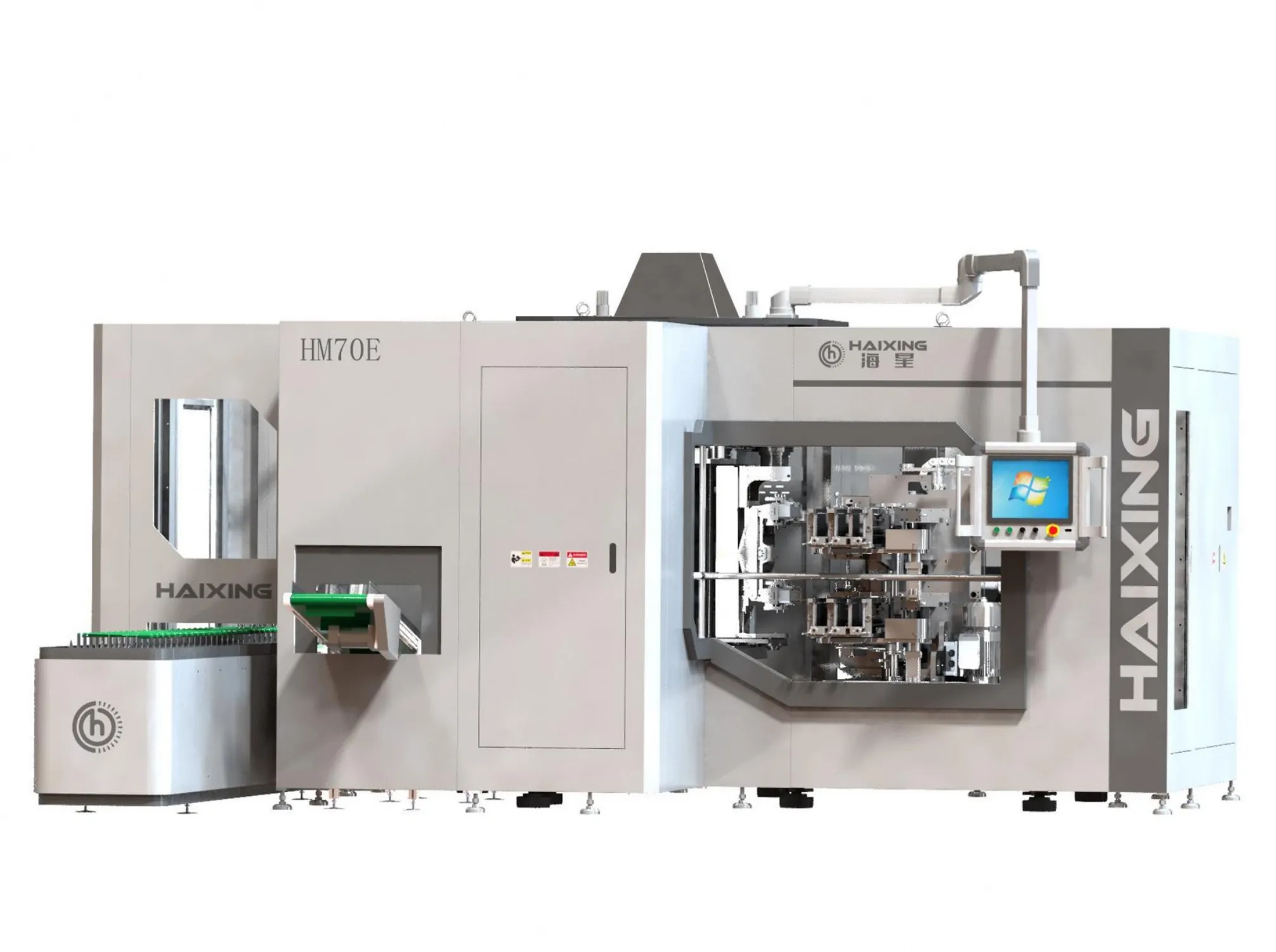
For brush manufacturers evaluating equipment upgrades, the shift from semi-automatic to fully automatic brush drilling and tufting machines represents more than a speed improvement. It changes how production floors handle labor allocation, changeover time, product consistency, and the range of brush geometries a facility can realistically serve. This article examines the concrete operational advantages that fully automatic brush drilling and tufting machines offer — and the specific technical capabilities that determine whether a given model delivers on those advantages.
Eliminating Manual Intervention in the Drilling and Tufting Cycle
In semi-automatic brush production, operators are required to manually reposition the brush body between tufting operations, introduce filament, or manually confirm hole coordinates. This introduces variability in filament density, hole depth, and tufting angle — all of which affect the functional performance of the finished brush. A fully automatic brush drilling and tufting machine executes the complete drilling, filament feeding, and tufting sequence without manual repositioning. Five-axis CNC systems, such as those in the VM70 series, use servo-driven mechanical control to execute drilling and tufting at programmed coordinates across curved and angled brush surfaces. The result is consistent hole depth, uniform filament retention force, and repeatable filament angle across every unit in a production run — regardless of operator skill level.
Higher Tufting Speed Translates Directly to Throughput Gains
Tufting speed is the most direct metric for evaluating throughput capacity. Fully automatic brush drilling and tufting machines in the VM70 series operate at speeds up to 500 tufts per minute, which supports high-volume production of brushes with standard hole count ranges. For a facility running two shifts on household scrub brushes or paint brushes — each requiring 80 to 150 tufting positions — the difference between a 200-tuft and 500-tuft machine is measurable in daily unit output. Beyond raw speed, automatic machines also reduce idle time between cycles by eliminating manual setup operations between tufting passes. The combination of higher operating speed and reduced inter-cycle idle time compounds into significantly greater effective daily output compared to semi-automatic alternatives.
Support for Complex Brush Geometries Through Five-Axis Control
Flat-axis brush machines are limited to brushes with holes arranged on a single flat plane. This restricts product range to basic rectangular scrub brushes, flat paint brushes, and similar geometries. Five-axis CNC brush drilling and tufting machines enable angled hole placement — typically used in ergonomic toothbrush heads, corner-reaching scrub brushes, and specialized industrial brushes where filament must contact a surface at a precise approach angle. The VM70-25A and VM70-25B models in the VM70 series are configured with five-axis control, supporting both flat-wire and round-wire tufting methods within the same machine platform. This dual-method capability means a single machine can serve product lines with different filament types without requiring separate equipment for each product family.
Program Storage Reduces Changeover Time for Multi-SKU Production
Fully automatic brush drilling and tufting machines equipped with CNC program storage allow production facilities to switch between brush specifications quickly. When a machine platform supports storage of up to 1,000 brush programs, the changeover from one brush model to another becomes a program recall operation rather than a full mechanical reconfiguration. For OEM brush manufacturers serving multiple customers with different brush specifications — each customer potentially requiring dozens of distinct brush SKUs — this capability directly reduces changeover time and the associated labor cost per changeover. Bilingual touchscreen interfaces further reduce operator dependency during program selection, which is an operational advantage in facilities with multilingual workforces or high operator turnover rates.
Application Example: OEM Manufacturer Expanding from Household to Industrial Brush Production
Consider an OEM brush manufacturer that has been producing household scrub brushes on semi-automatic equipment and receives an inquiry for industrial floor brushes requiring a 5-axis tufting approach with round-wire filament. On their existing semi-automatic platform, fulfilling this order would require manual repositioning for each row of angled holes — increasing per-unit labor time significantly and making the order unprofitable at the customer's target price. After evaluating automatic five-axis CNC brush drilling and tufting machines, they determine that the VM70 series platform supports both their existing flat household brush programs and the new round-wire industrial brush specifications within the same machine. The supplier's remote support and on-site commissioning service allows the facility to validate the new program configurations and achieve consistent first-article inspection results before full production begins.
Reduced Power Consumption and Predictable Operating Cost
Energy consumption is a measurable operating cost component that is often underweighted in machine purchase decisions. Fully automatic brush drilling and tufting machines with efficient servo drive systems provide predictable power consumption profiles. The VM70-25B, for example, draws between 6.1 and 7.7 kW depending on configuration — a range that allows production planners to accurately calculate electricity costs per shift and compare operating cost scenarios between machine configurations. Standardized component design across the VM70 platform also means that consumable parts — drill bits, tufting needles, filament feed components — can be inventoried as common parts across multiple machines, reducing per-machine spare parts cost and simplifying procurement logistics.
Frequently Asked Questions
What is the key difference between a semi-automatic and a fully automatic brush drilling and tufting machine?
A semi-automatic machine requires operator intervention at one or more steps in the drilling and tufting cycle — such as manually repositioning the brush body or feeding filament. A fully automatic machine executes the complete cycle including drilling, filament feeding, and tufting at programmed coordinates without manual interruption, which improves consistency and allows one operator to oversee multiple machines simultaneously.
Can a single fully automatic brush drilling and tufting machine handle both household and industrial brush types?
Yes, provided the machine supports five-axis control and both flat-wire and round-wire tufting methods, as found in the VM70 series. The key requirement is that the machine's hole diameter range — for example, 3.0 mm to 8.0 mm on the VM70-15B — covers the filament bundle sizes used in both product lines, and that the machine's program storage allows quick switching between product configurations.
How does CNC program storage reduce total cost of ownership for brush manufacturers?
Program storage reduces changeover time per SKU switch from potentially hours of mechanical reconfiguration to minutes of program recall. For facilities producing 10 or more brush SKUs, this reduction in non-productive changeover time compounds across a full production year into measurable labor savings and higher effective machine utilization rates.
Table of Contents
- Eliminating Manual Intervention in the Drilling and Tufting Cycle
- Higher Tufting Speed Translates Directly to Throughput Gains
- Support for Complex Brush Geometries Through Five-Axis Control
- Program Storage Reduces Changeover Time for Multi-SKU Production
- Application Example: OEM Manufacturer Expanding from Household to Industrial Brush Production
- Reduced Power Consumption and Predictable Operating Cost
- Frequently Asked Questions