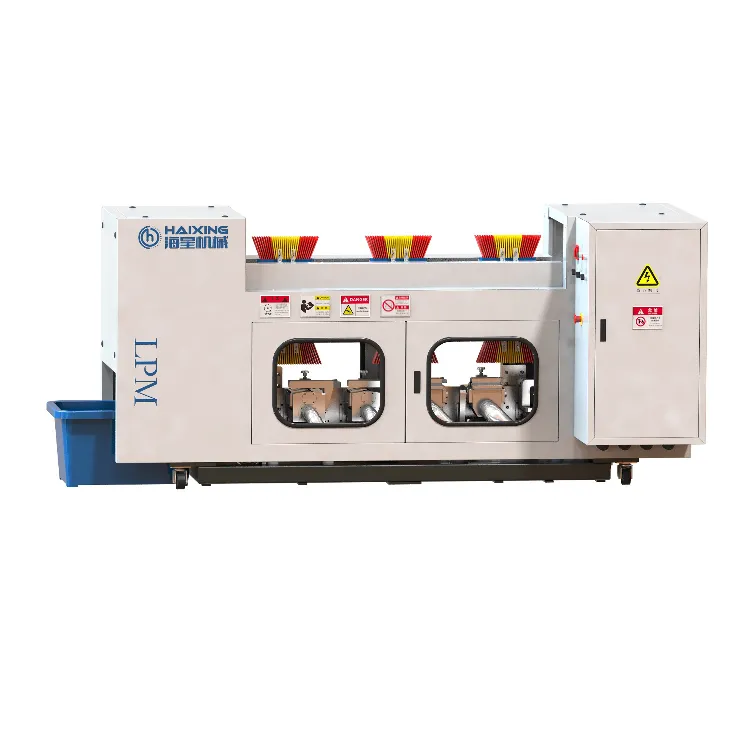
For manufacturers entering or expanding in the oral care brush market, equipment selection is a critical variable in determining product quality consistency, production flexibility, and total cost of ownership. A tooth brush making machine must execu...
VIEW MORE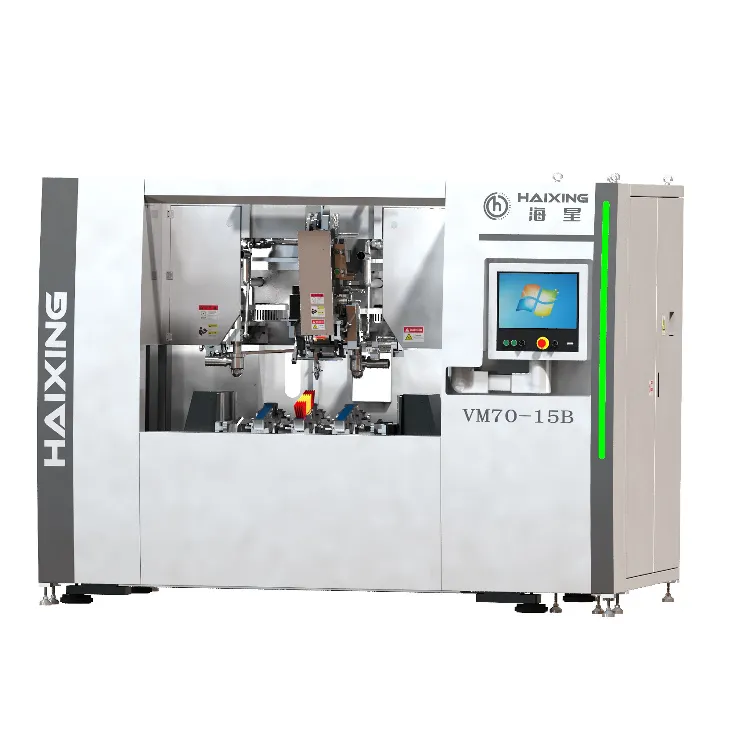
The term "intelligent" is used loosely across manufacturing equipment marketing — but in the context of brush tufting systems, it refers to specific, measurable capabilities: CNC-driven axis control, programmable filament placement, data-based ...
VIEW MORE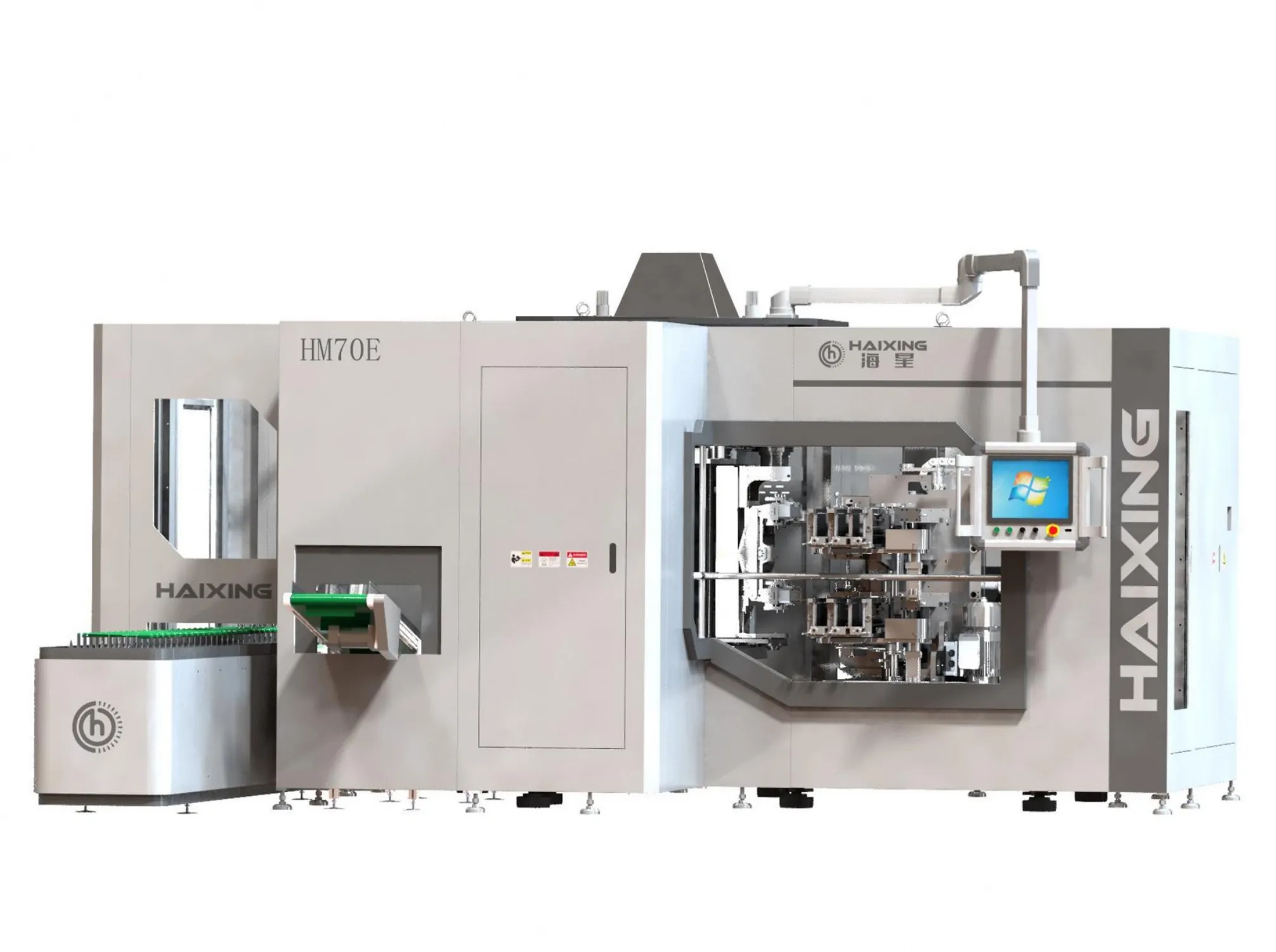
For brush manufacturers evaluating equipment upgrades, the shift from semi-automatic to fully automatic brush drilling and tufting machines represents more than a speed improvement. It changes how production floors handle labor allocation, changeover...
VIEW MORE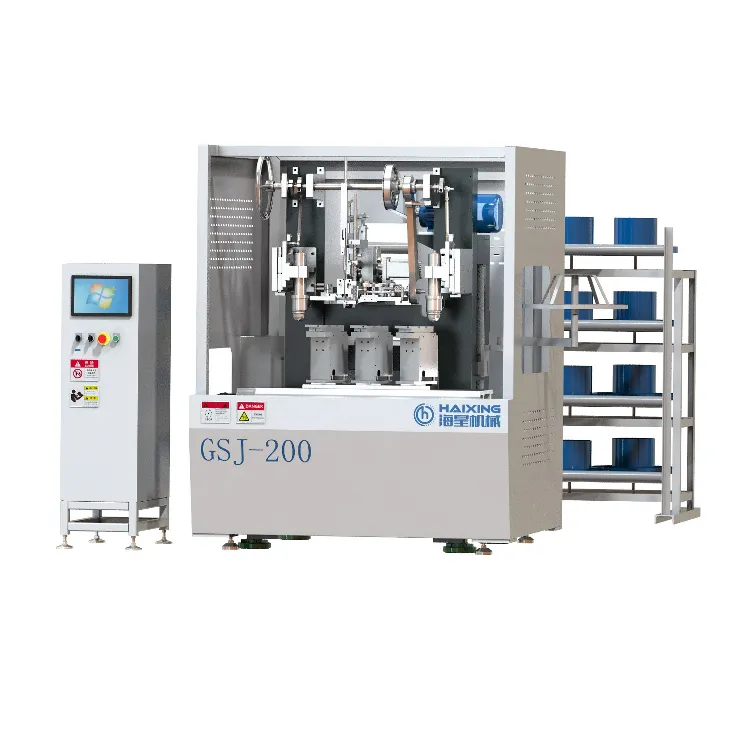
Selecting the right industrial brush making machine is one of the most consequential decisions a brush manufacturer can make. A mismatched machine can restrict your product range, limit your output capacity, and force costly retrofits. Yet the market...
VIEW MORE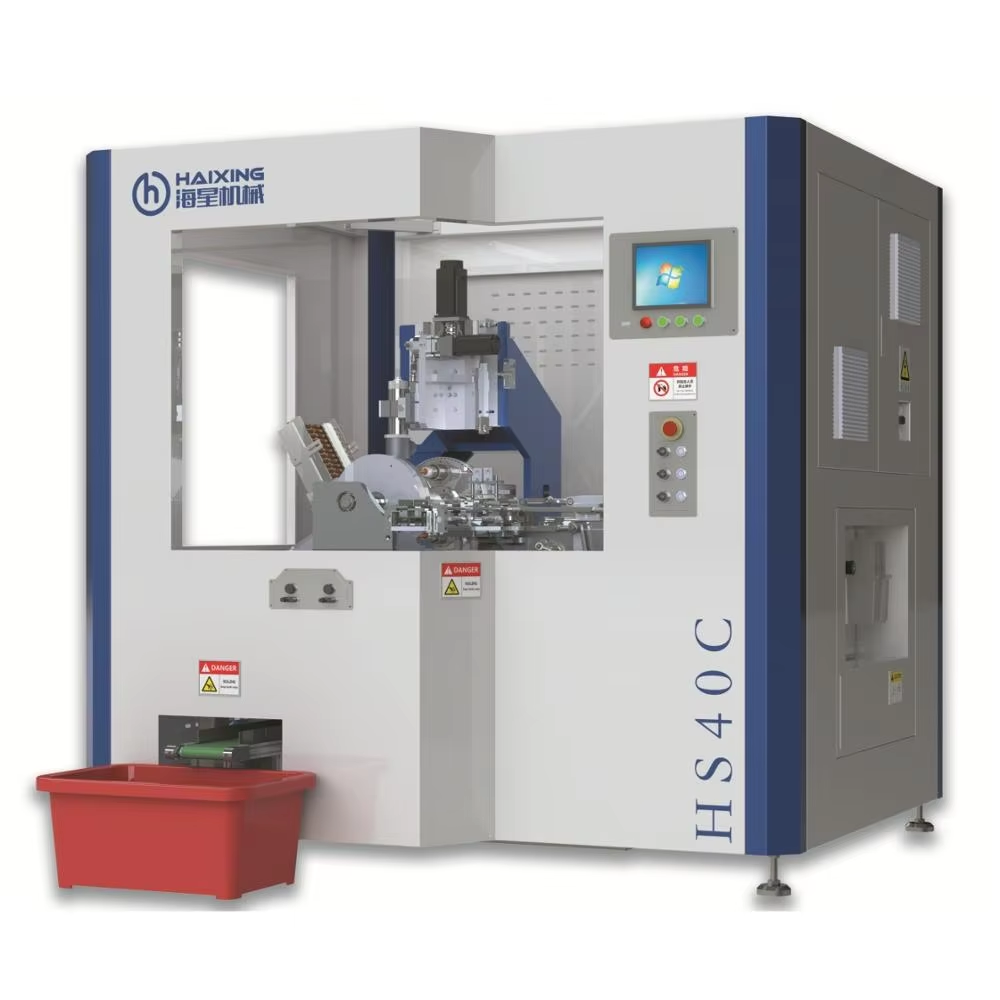
Core Mechanical Safety Standards for Brush Making MachinesThe safe operation of any brush making machine begins with adherence to established mechanical safety standards. The most prominent benchmarks are the American National Standards Institute (AN...
VIEW MORE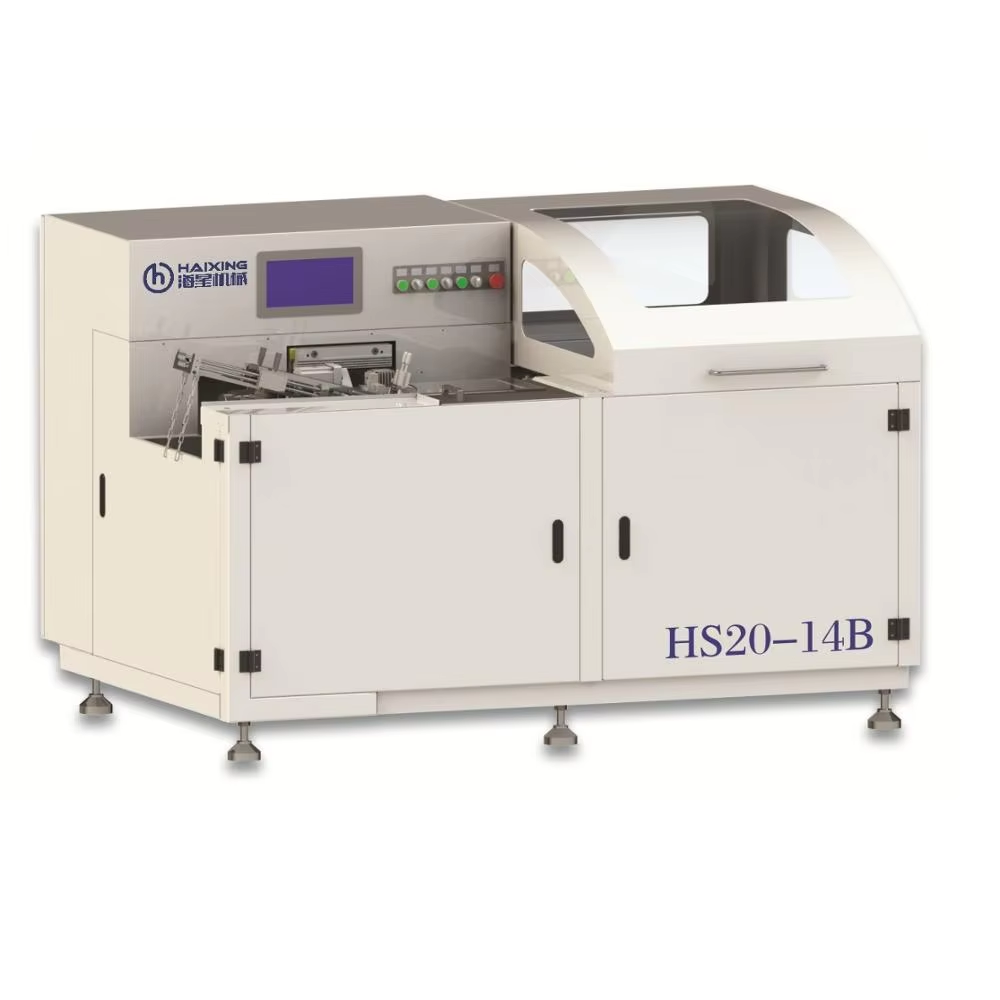
Align Tooth Brush Making Machine Type with Your Production ScopeChoosing the right equipment begins with matching machine type to your production volume and product complexity. A factory producing basic manual brushes will need different capabilities...
VIEW MORE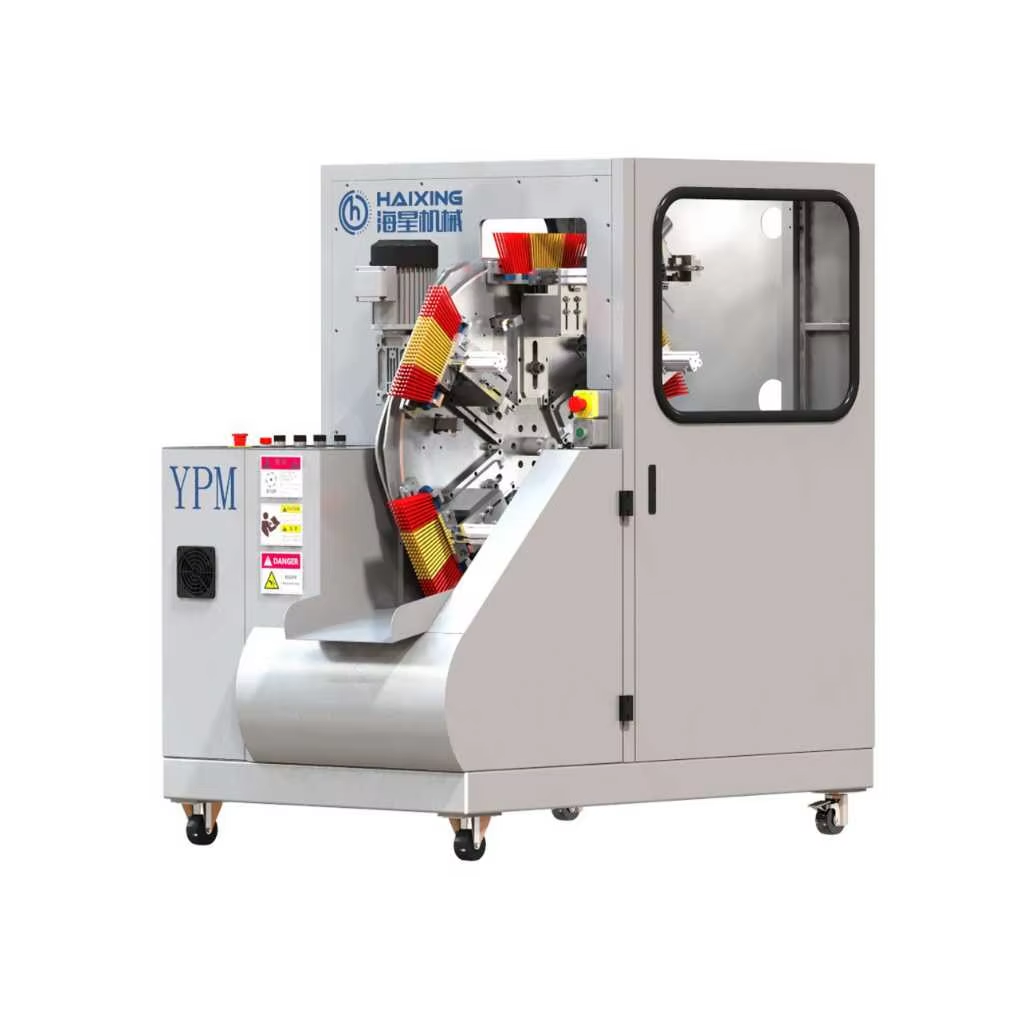
Match Twisted Wire Machine Performance to Your Production RequirementsPrecision, Speed, and Tension Consistency for High-Yield OutputSelecting a twisted wire machine requires careful evaluation of three interdependent performance pillars: precision i...
VIEW MORE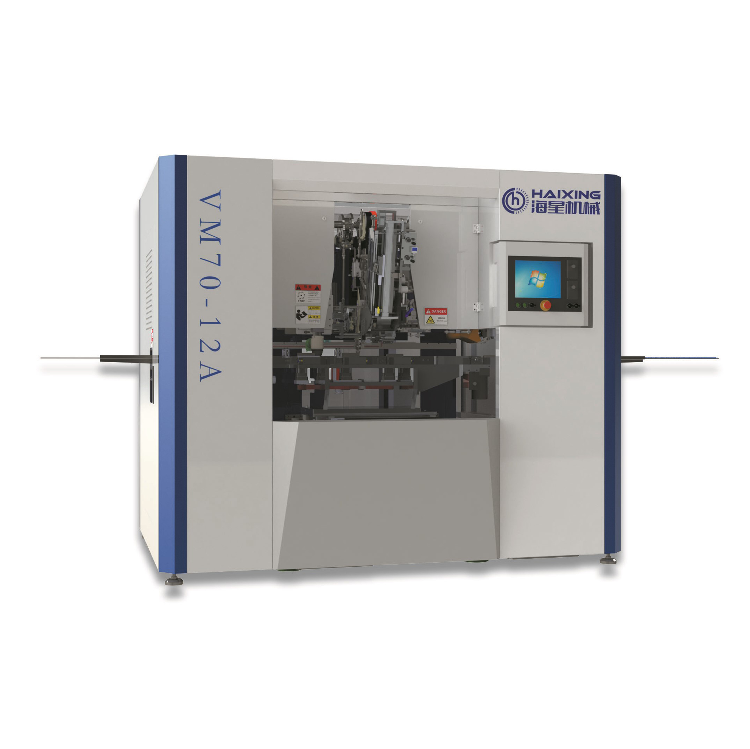
Labor Cost Reduction Through Automation and Precision ControlModern brush drilling and tufting machines significantly reduce labor expenses through integrated automation systems. By replacing manual tasks with programmable workflows, manufacturers ac...
VIEW MORE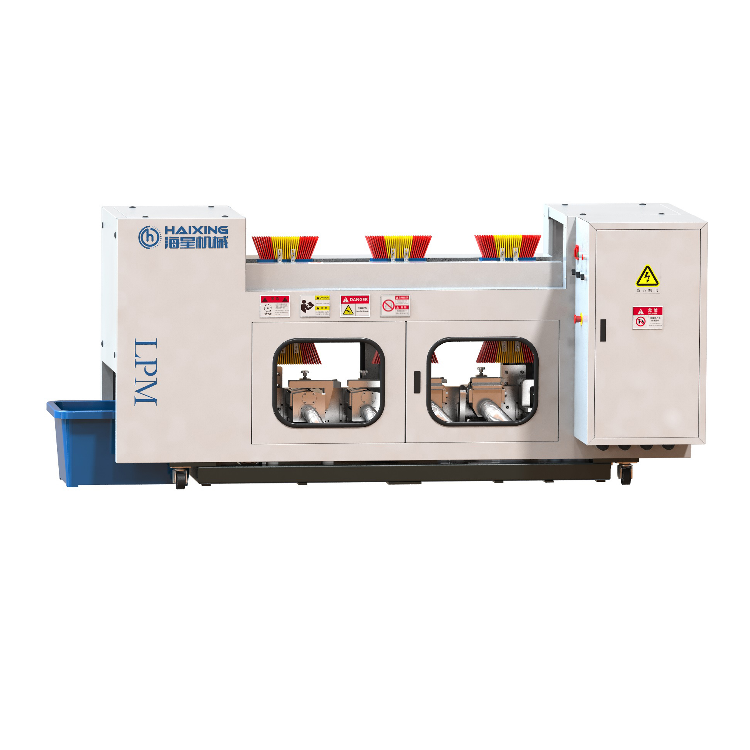
Precision Engineering: How Industrial Brush Making Machines Ensure Sub-Millimeter Consistency for Demanding EnvironmentsIndustrial brush making machines use CNC-controlled systems to place filaments with sub-millimeter accuracy—typically within ±0.1 ...
VIEW MORE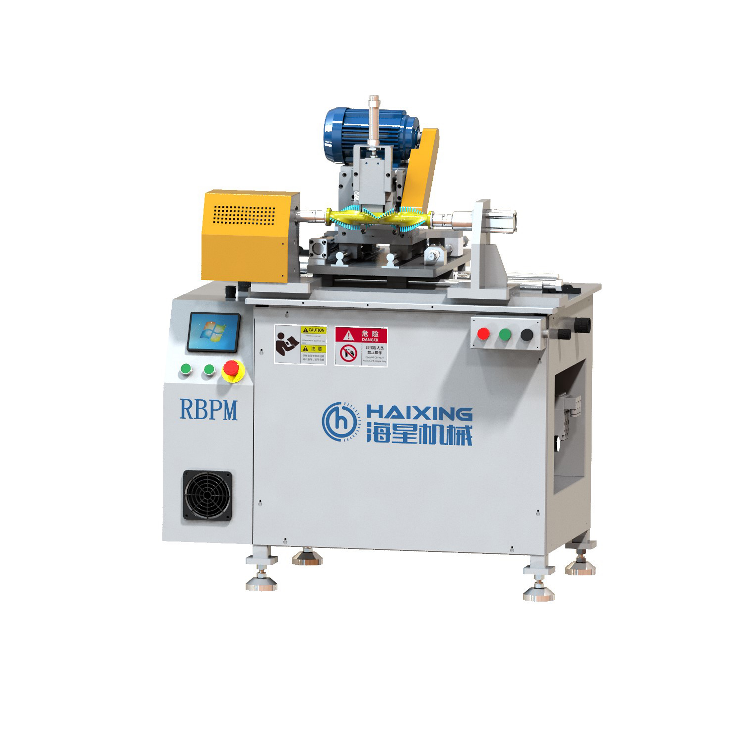
Automating Labor-Intensive Finishing to Cut Direct Labor CostsEliminating Manual Deburring and Surface Finishing in High-Volume ProductionManual deburring and surface finishing are among the most labor-intensive steps in brush manufacturing—requiring...
VIEW MORE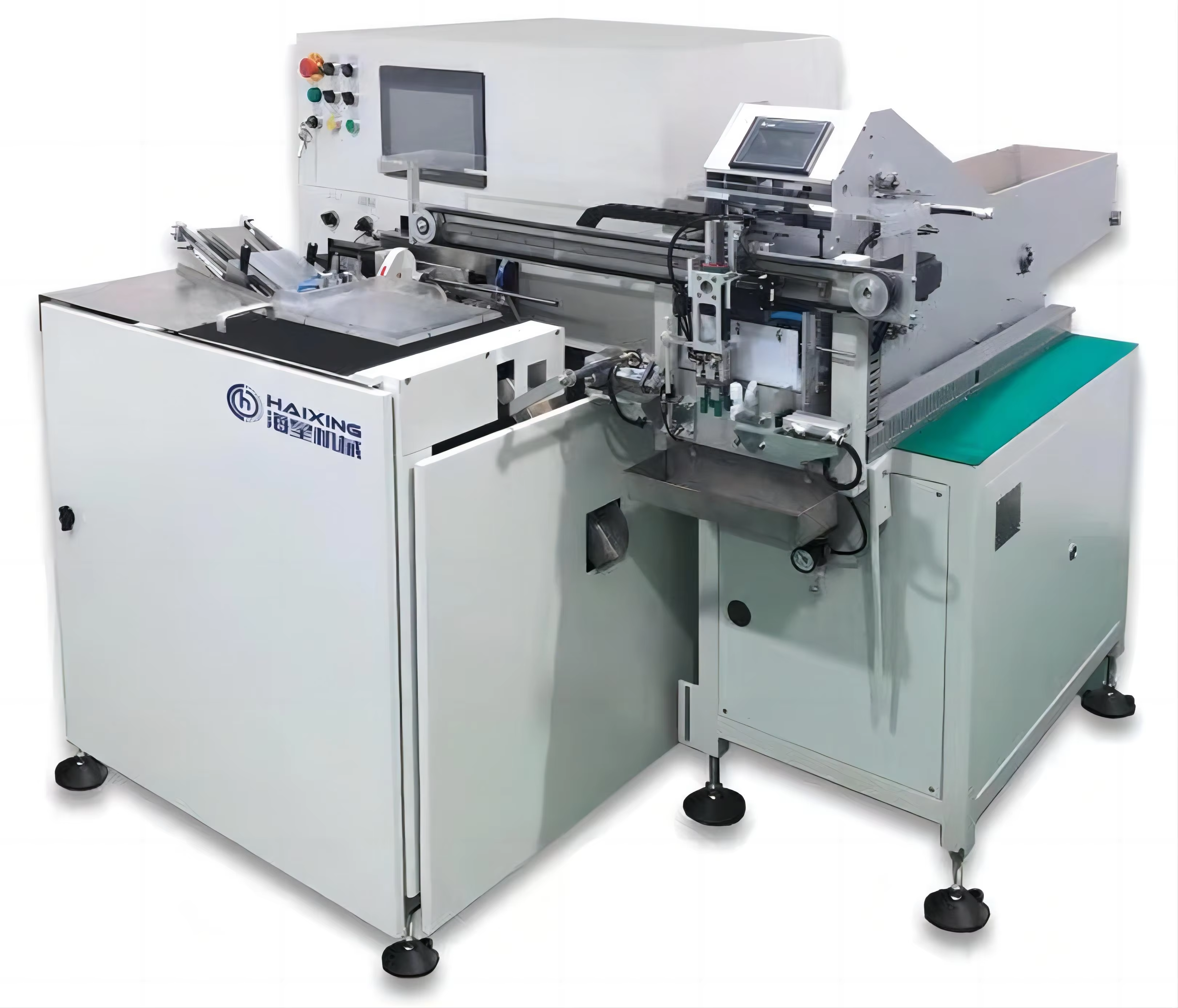
The Evolution and Core Capabilities of Tooth Brush Making Machines The journey of toothbrush manufacturing has transformed from painstaking manual assembly to today's highly automated production lines. Early processes required workers to individ...
VIEW MORE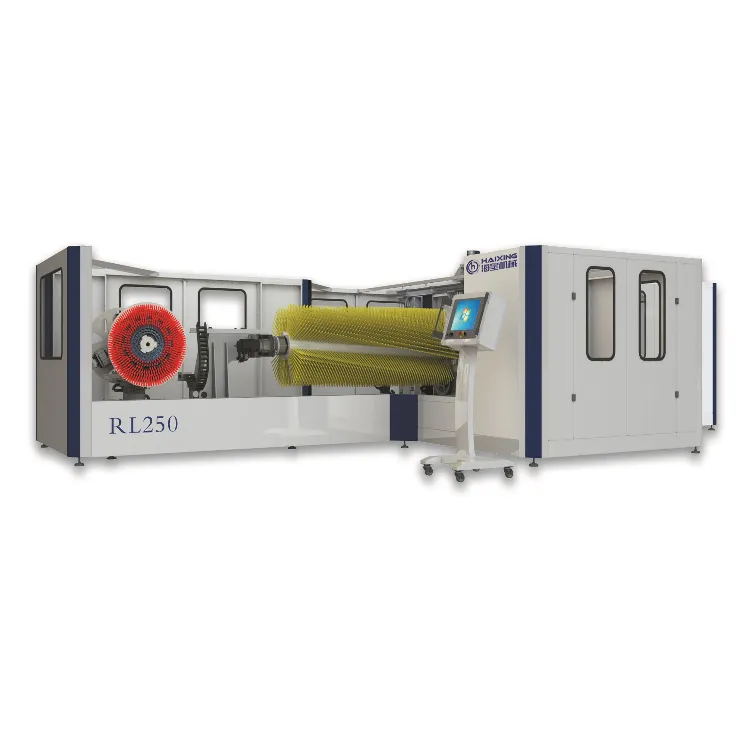
Precision Engineering for Consistent Drill Depth and Tuft PlacementAdvanced brush drilling and tufting machines achieve exceptional accuracy through precision engineering. Industry studies show that ±0.05 mm deviations in drill depth can reduce brush...
VIEW MORE
 EN
EN