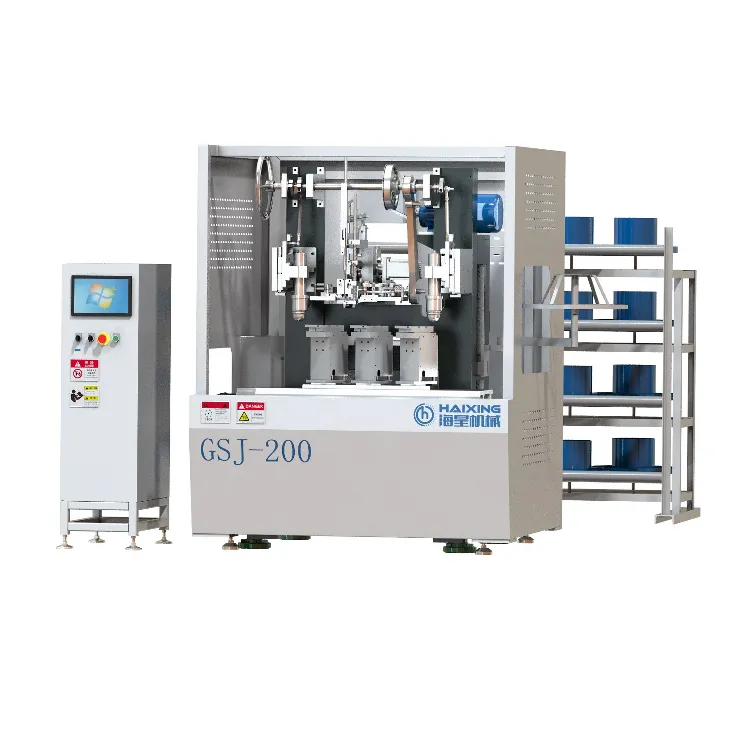
Match Production Needs to Machine CapabilitiesAligning throughput, shift patterns, and brush type diversity with rated output specsAccurately matching production volume to an industrial brush making machine’s rated capacity prevents costly bottleneck...
VIEW MORE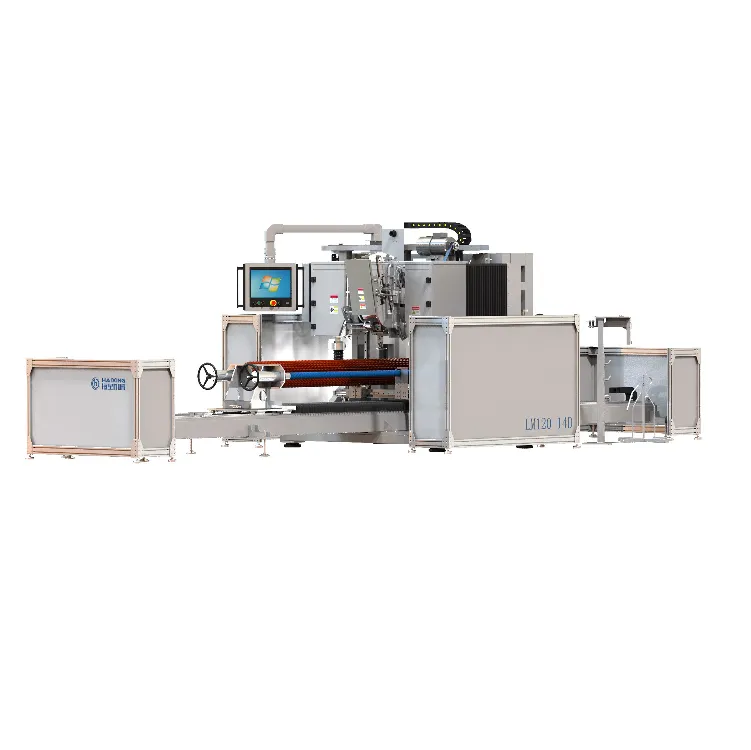
Industrial Brush Making Machine: Definition, Core Purpose, and EvolutionFrom Hand-Tufted Craft to High-Precision AutomationIndustrial brush making machines have evolved from hand-tufted craftsmanship—where artisans used wood handles and natural fiber...
VIEW MORE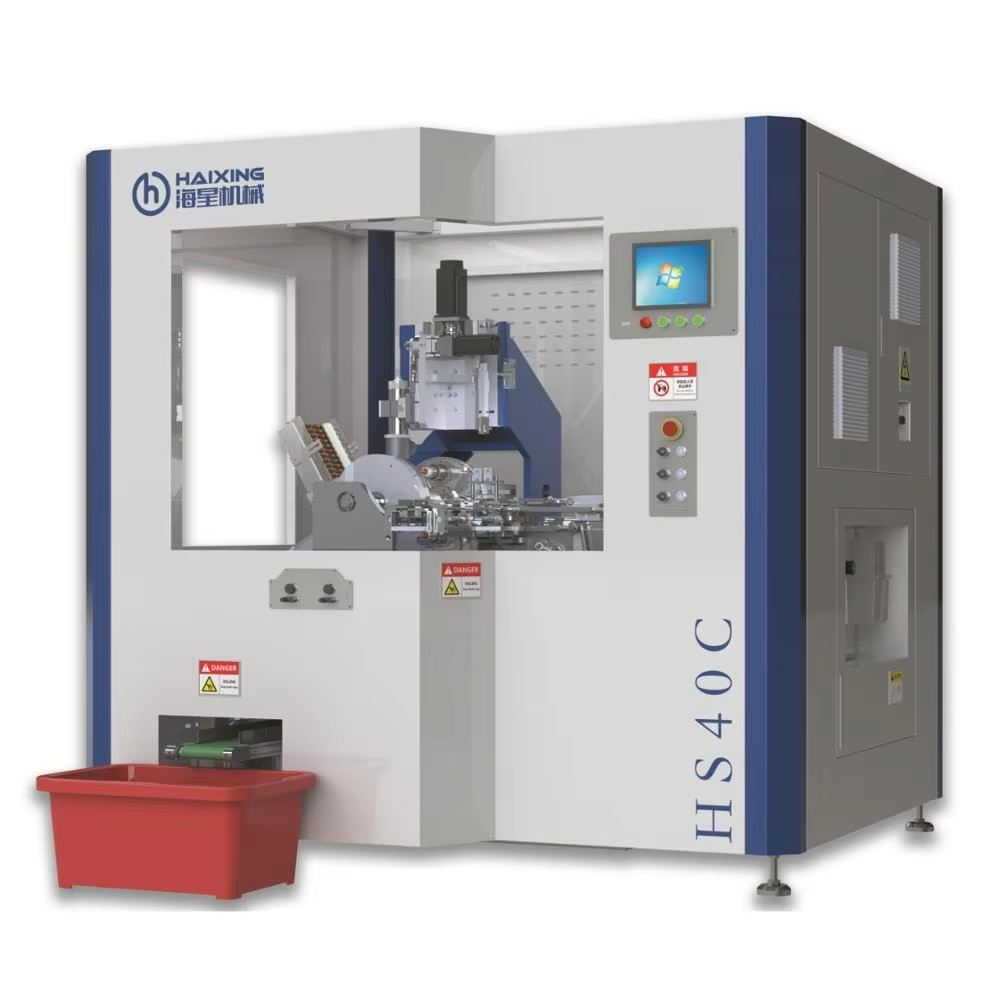
Unmatched Production Efficiency with Fully-Automatic Brush Making MachinesQuantifiable throughput gains: Cycle time reduction and output scalabilityFully-automatic brush making machines deliver transformative productivity—slashing cycle times by up t...
VIEW MORE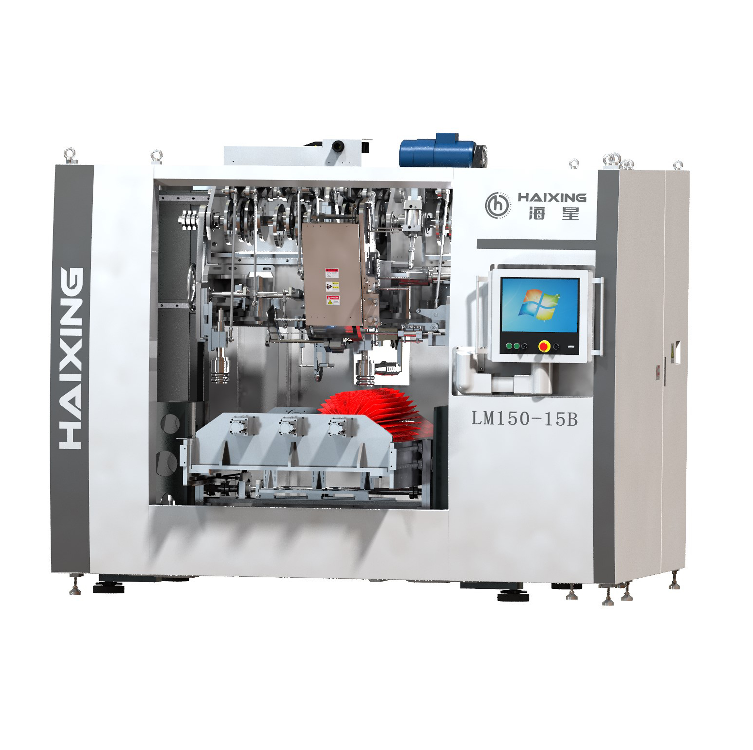
Core Engineering Foundations of Brush Making Machine DurabilityHigh-Strength Alloy Frames and Fatigue-Resistant Drive SystemsThe frames of industrial brush making machines are built from tough alloys like hardened steel or aerospace grade aluminum so...
VIEW MORE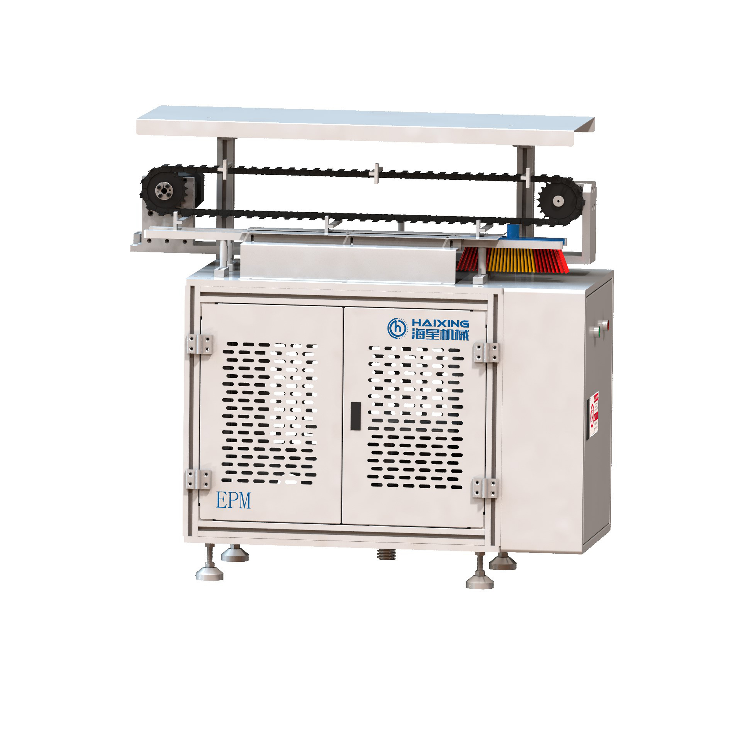
Precision Tufting and Drilling: Eliminating Over-Cut and Misalignment WasteHow brush making machine accuracy cuts filament overuse by up to 18%Brush making machines built with precision engineering cut down on filament waste thanks to their tight con...
VIEW MORE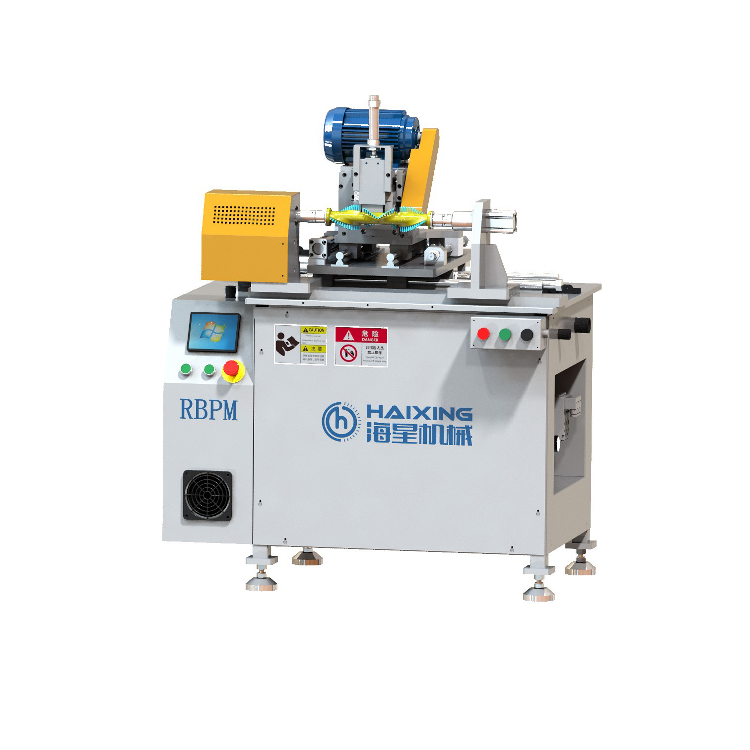
Total Cost of Ownership for a Brush Making Machine Evaluating the true expense of a brush making machine requires looking beyond the initial purchase price. Full lifecycle costs—including installation, maintenance, energy use, and operational reliabi...
VIEW MORE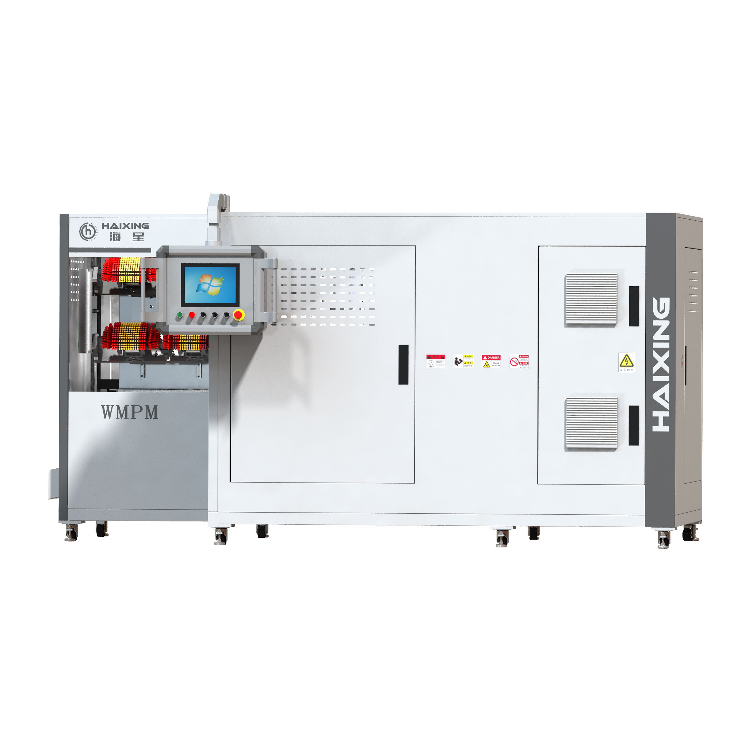
Core Operational Differences in Brush Making Machines Manual Intervention Points: Feeding, Tying, and Ejection Brush making machines that are semi automatic need workers to step in during three main parts of the process: when feeding the filaments, ...
VIEW MORE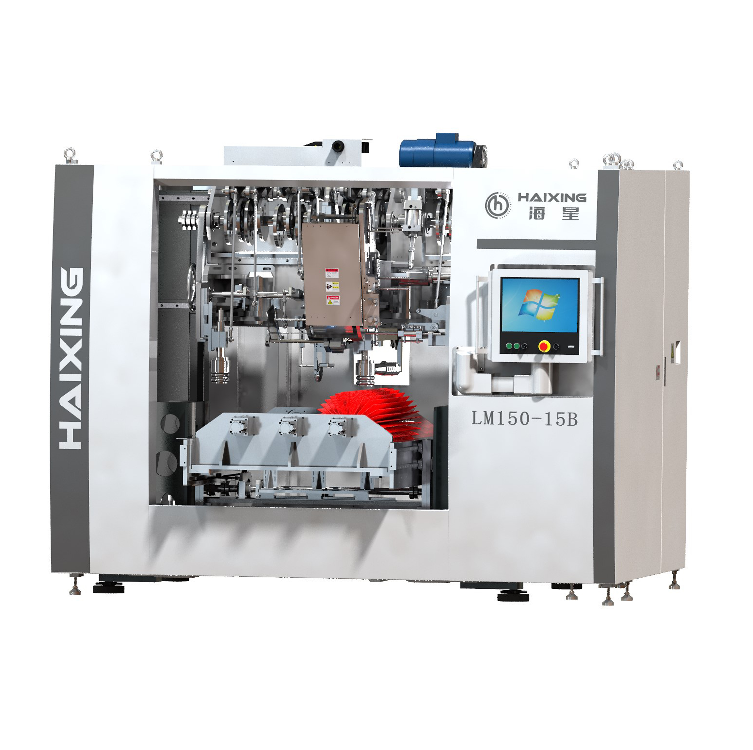
Quantifying ROI: Payback Period, Cost Savings, and Yield Gains Break-Even Timeline Driven by Labor Savings and Output Uplift Industrial brush making machines typically achieve payback within 12–18 months—primarily through labor reductions of 40–60% a...
VIEW MORE
Why Bristle Placement Accuracy Is Critical for Brush Performance and ComplianceHow bristles line up makes all the difference when it comes to how well brushes work across different sectors. Small mistakes in where they're placed can really hurt ...
VIEW MORE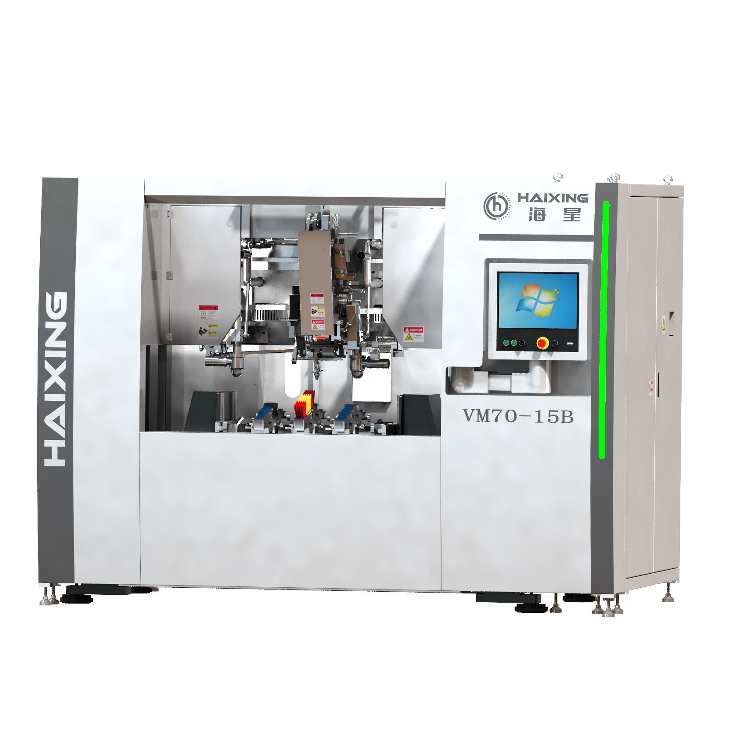
Mechanical Failures in Brush Making MachinesFeed Misalignment and Jamming: Causes and Real-Time DetectionWhen feed misalignment happens, it's usually because of inconsistent materials or guide rails that have seen better days disrupting the path...
VIEW MORE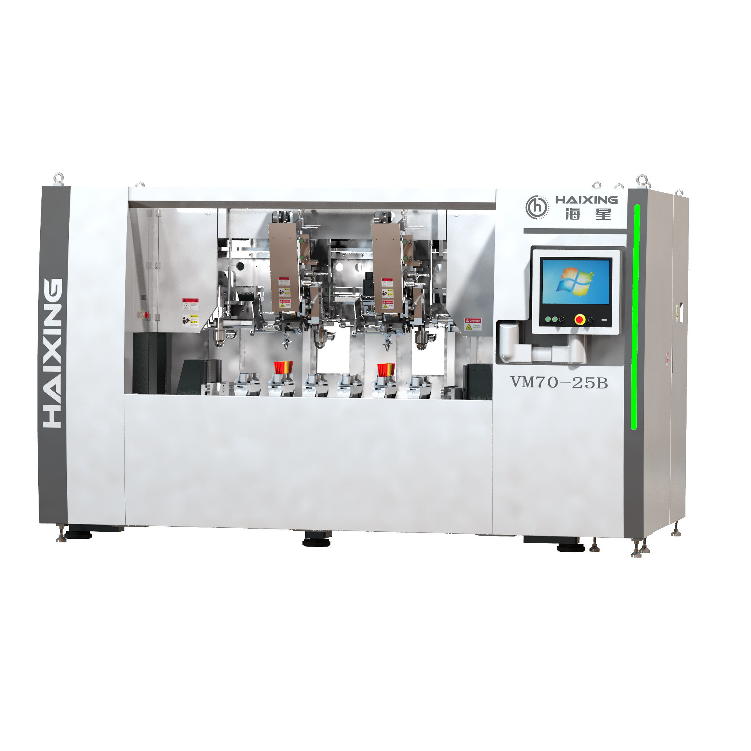
Why High-Speed Brush Making Machines Boost Output The Output Gap: Traditional vs. High-Speed Brush Making Machines Old school brush making gear usually manages around 200 to 500 brushes an hour because of all those mechanical constraints plus the ne...
VIEW MORE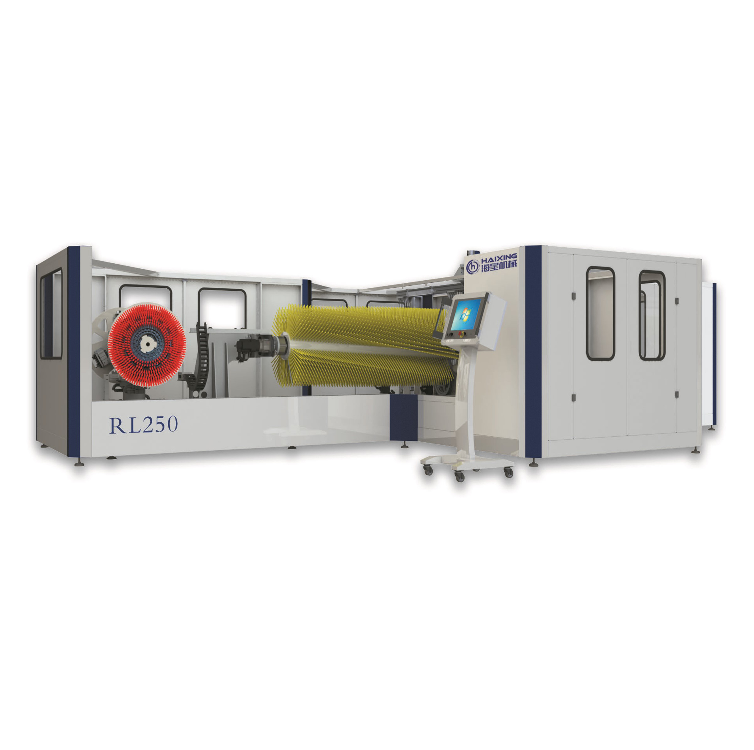
Core Production Challenges Driving the Shift to Brush Making MachinesInconsistent Tufting and Trimming Precision in Manual ProcessesWhen making brushes by hand, there's just not enough consistency needed for really precise work. A small mistake ...
VIEW MORE
 EN
EN